Daily Routine for Parkinson's Disease: Morning to Evening Guide
A consistent daily routine for Parkinson's Disease can steady an otherwise unpredictable day, shaping how you move, how your medication responds, and how you feel. This article walks through building that routine hour by hour, from easing morning stiffness to winding down at night, and looks at the practical tools and habits that help the whole day hold together.
Why a consistent routine helps manage Parkinson's Disease symptoms
Parkinson's symptoms often track with dopamine cycles, so timing matters. When medication, meals, and activity happen at stable times each day, you give the body predictability it can work with.
That predictability tends to reduce fluctuation across both motor symptoms, like stiffness and slowness, and non-motor symptoms, like fatigue and mood shifts. Patient-facing guidance consistently links a steady rhythm to more reliable movement and energy through the day, which is why a routine forms the foundation for everything that follows.
Building a gentle morning routine that reduces stiffness
Morning stiffness is one of the most commonly reported challenges, since the body is often at its tightest after a night without movement. A gentle morning routine for Parkinson's Disease can start before you get up. Try slow stretches or light movement in bed to loosen muscles first. Then give yourself extra time for dressing and eating, so nothing feels rushed. Occupational therapists often recommend pacing these first tasks, allowing more minutes than seem necessary rather than fighting a stiff body against the clock, which sets a calmer tone for the whole day.
Timing medication and meals for consistency
Taking medication at the same times every day is one of the most symptom-critical habits in daily life with Parkinson's Disease. A pill organizer or a reminder app helps keep doses consistent, even on busy or off days.
Meal timing matters too. High-protein meals can interfere with levodopa absorption, so some people separate their doses from protein-heavy foods. The right spacing varies by person, so confirm the specifics of your medication schedule with your neurologist rather than adjusting on your own.
Structuring physical activity throughout the day

Movement works best as a routine anchor when it is spread across the day rather than saved for one long session. Short bouts of walking, balance training, and strength training all support mobility, and regular exercise has a documented role in maintaining function and slowing symptom progression.
Break up long stretches of sitting with brief movement breaks, since even a few minutes on your feet helps. A physical or occupational therapist can tailor activity to your current ability, so the plan matches what your body can handle each day.
Adapting your home environment for daily safety
Small, low-cost changes make a home safer as symptoms shift. Start with these home safety tips for Parkinson's Disease:
● Clear walkways of clutter and loose cords.
● Install grab bars in the bathroom and handrails on stairs.
● Improve lighting throughout, including nightlights for overnight trips.
● Use non-slip mats on smooth or wet surfaces.
Occupational therapists often perform home-safety assessments, and repeating one as symptoms change helps you catch new risks before they cause a fall.
Building in cognitive engagement and regular movement breaks
Non-motor symptoms deserve a place in your daily structure too. Schedule short breaks to stand or stretch roughly every hour, since brief structured pauses can ease stiffness and sharpen focus.
Pair those breaks with quick cognitive activity: reading a few pages, working a puzzle, or having a real conversation. These small bursts support focus and memory while giving the day a steady rhythm, and they lift mood in a way that long, unbroken sitting rarely does.
Creating an evening wind-down routine for better sleep
How you end the day shapes the next one. An evening routine for Parkinson's Disease that supports sleep quality can noticeably ease next-day symptom severity. In the hour before bed, dim the lights and cut screen time so the body can settle. Keep the bedroom cool and quiet, and aim for a consistent bedtime that anchors your internal clock. Better sleep tends to translate into steadier movement and energy the following morning, closing the daily loop on a restful note.
Staying socially connected throughout the day
Reduced mobility or speech changes can quietly pull people toward isolation, so building brief social touchpoints into the day matters. A short call with family, a scheduled support group meeting, or time with friends all count. Research links regular social connection to lower rates of depression and anxiety in Parkinson's Disease, so treating these moments as part of the routine, rather than optional extras, protects emotional health as much as any physical habit.
Building flexibility into your routine for on and off medication periods
Energy and mobility naturally vary across the day as medication moves through on periods and off periods. As a dose starts wearing off, tasks that felt easy an hour earlier can become harder.
A rigid schedule fights this reality. Instead, place demanding tasks during your more reliable windows, and build buffer time around slower stretches. Flexible scheduling that expects motor fluctuations, rather than being surprised by them, keeps a routine realistic and far less frustrating.
A sample hour-by-hour daily routine framework
Here is a simple example to adapt with your care team. In the morning, begin with gentle stretching and your first medication dose while allowing time to loosen up. Use mid-morning, often a peak-function window, for a focused task block. At midday, fit in a walk or exercise session. Reserve the afternoon for rest or low-demand tasks, then move into an evening wind-down. Treat this as a starting template, not a rulebook, and reshape it around your own on periods.
Tools that support fine-motor tasks within a daily routine

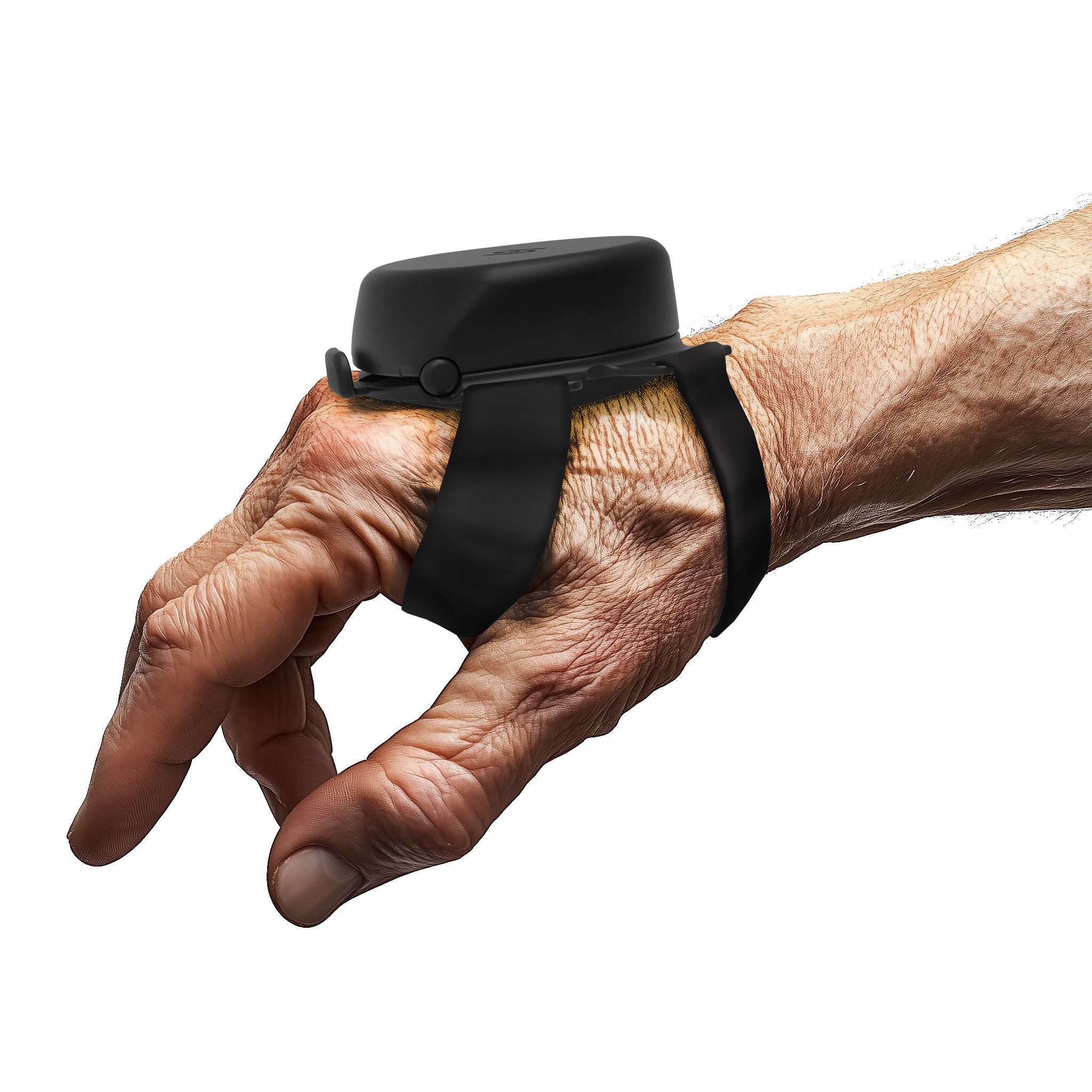
Hand-tremor tools are one category of daily-routine support, alongside home changes and scheduling, not a stand-alone fix. The Steadi-3 tremor glove is an FDA-registered Class I medical device that uses passive magnetic stabilization to help reduce hand tremor during fine-motor tasks such as eating, writing, and holding everyday objects. It is battery-free, needs no charging, and requires no prescription, so it adds no maintenance to your day. Steadi-3 primarily addresses Essential Tremor, with Parkinson's Disease as a secondary indication. There is no cure for Parkinson's Disease, so involve a healthcare provider or occupational therapist in any decision about assistive devices to support control and independence.
Conclusion
A daily routine for Parkinson's Disease built around consistent timing, regular movement, a safer home, and restful sleep can bring welcome predictability to a condition that often resists it. None of these habits work in isolation, and none stay fixed forever. The strongest routines are the ones you revisit and adjust alongside your healthcare team, so the structure keeps matching your changing needs and helps you stay steady through each part of the day.