

Tremor Evaluation Tasks for Steadi-3 Plus Validation Study
Three functional tasks evaluated tremor across movement types:
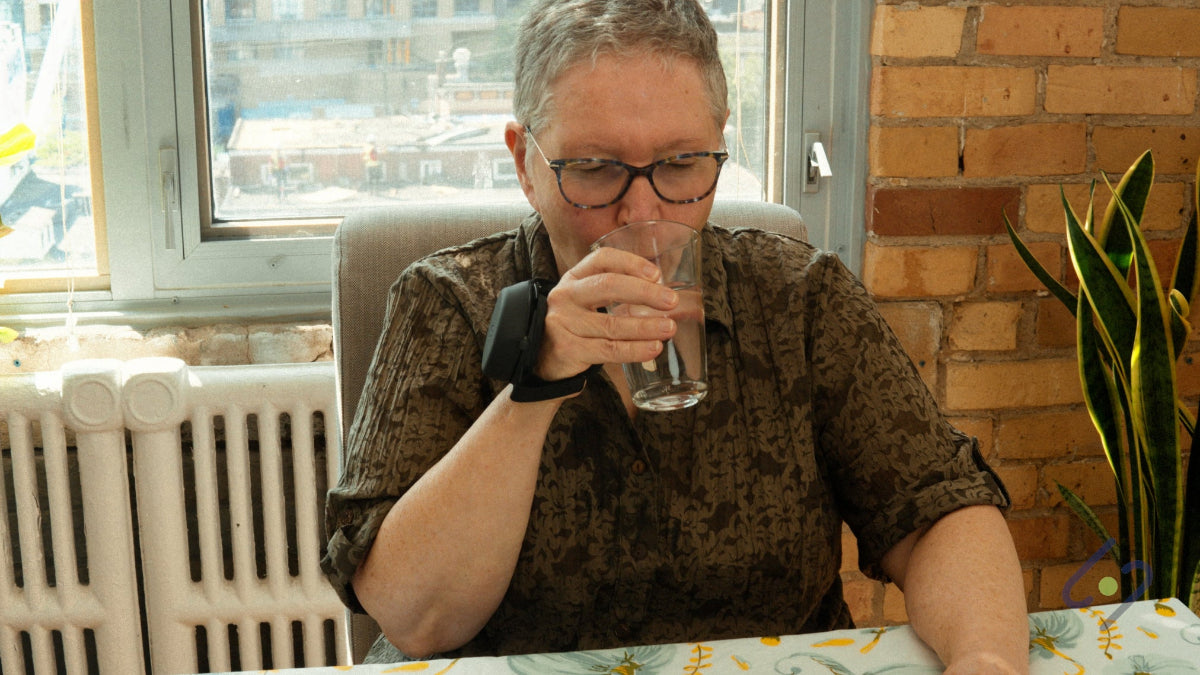
- Drinking task: lifting and sipping from a cup to assess daily activity tremor.
- Intention tremor task: performing repeated finger-to-nose motions to measure goal-directed movement steadiness.
- Spiral drawing task: completing an Archimedes spiral to assess fine-motor control and tremor impact on handwriting precision.
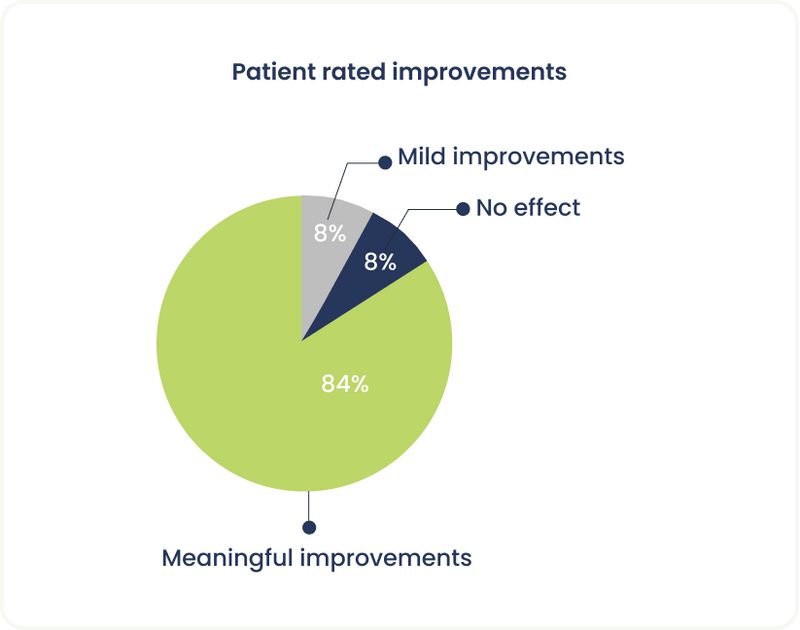

Improved Daily Function After One Week
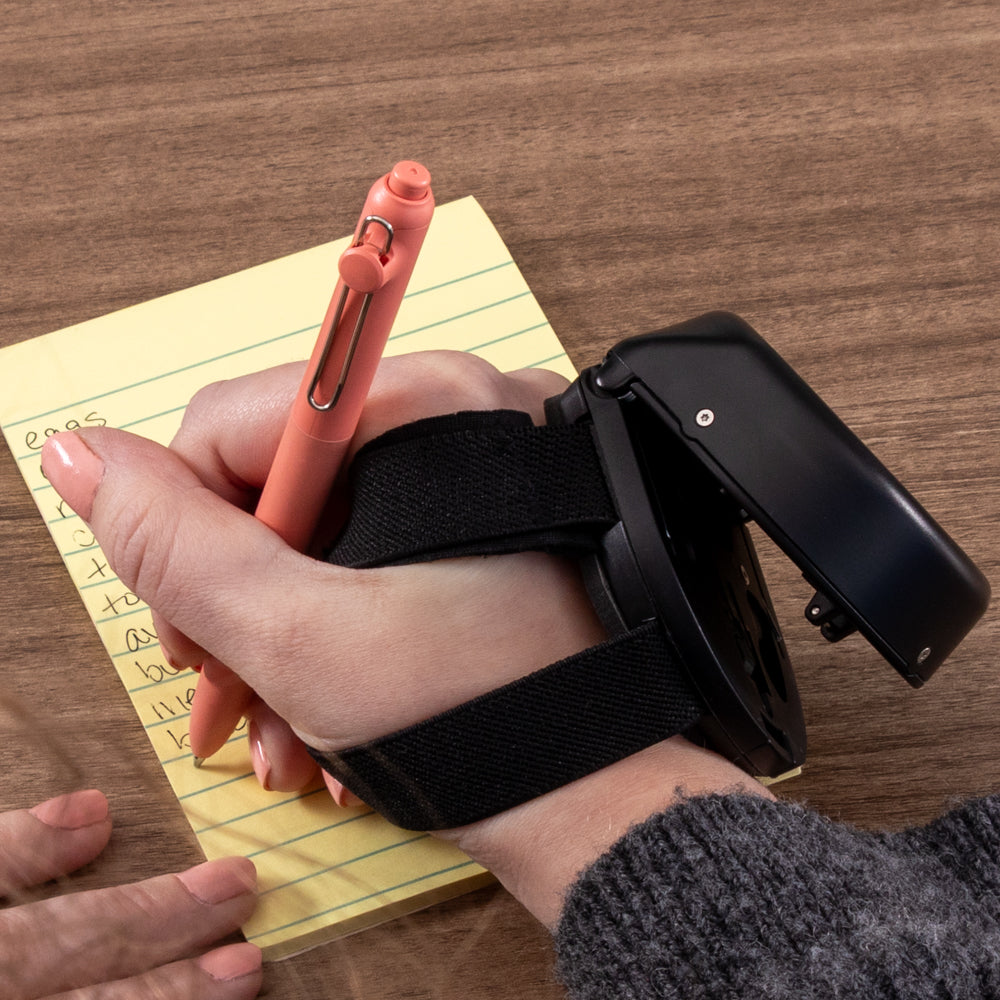
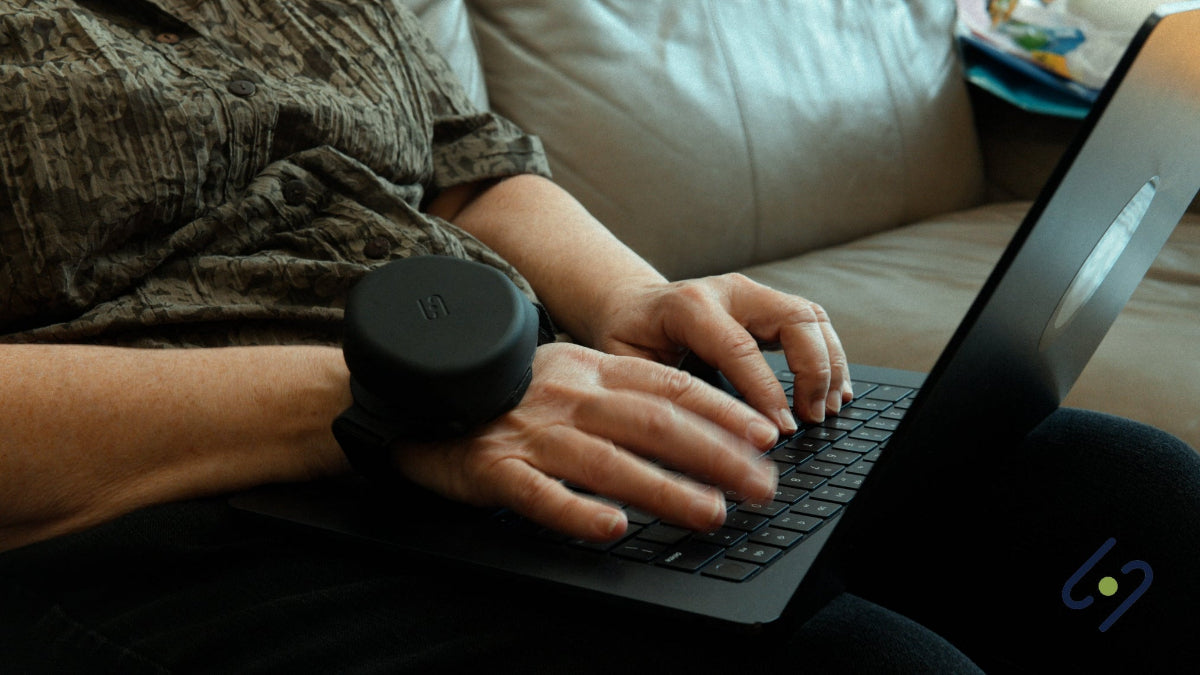
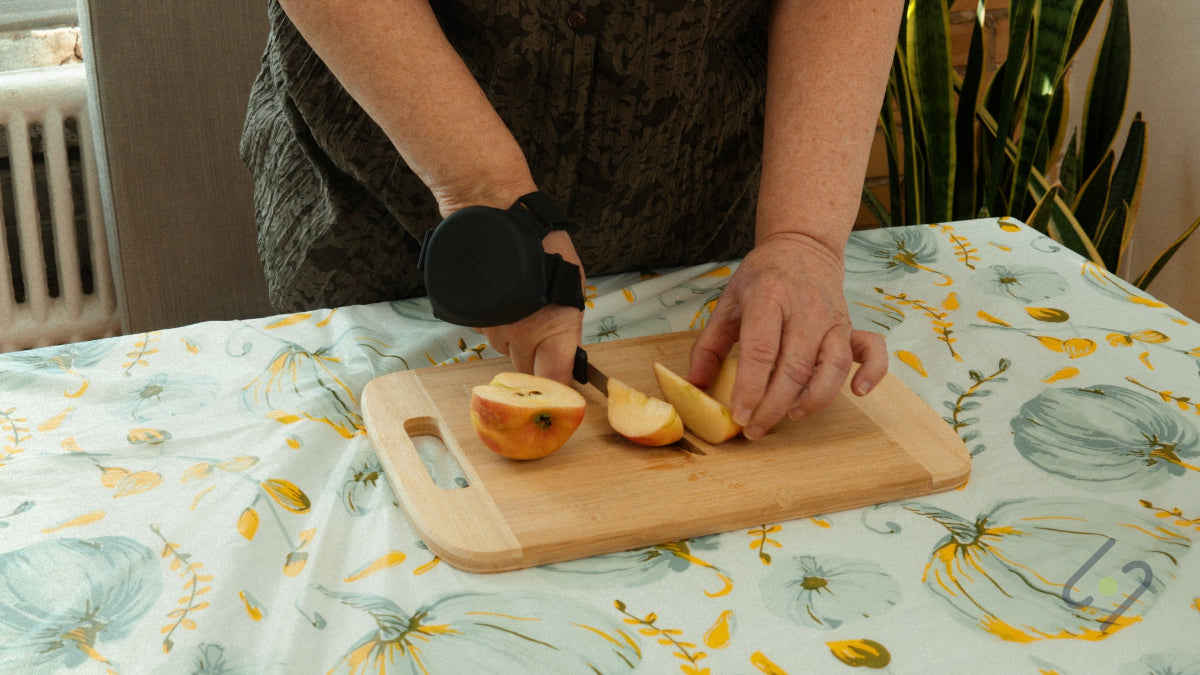
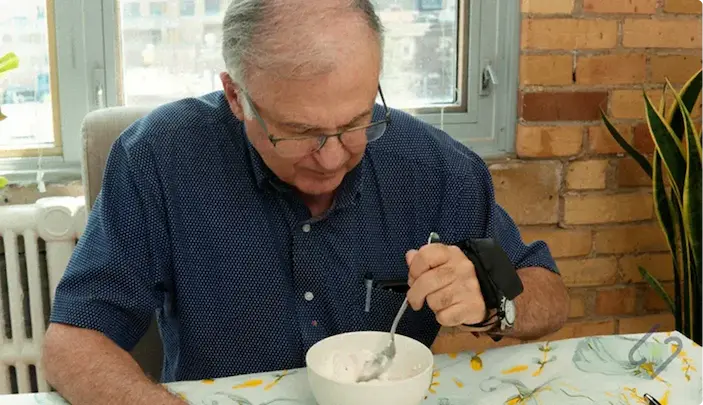
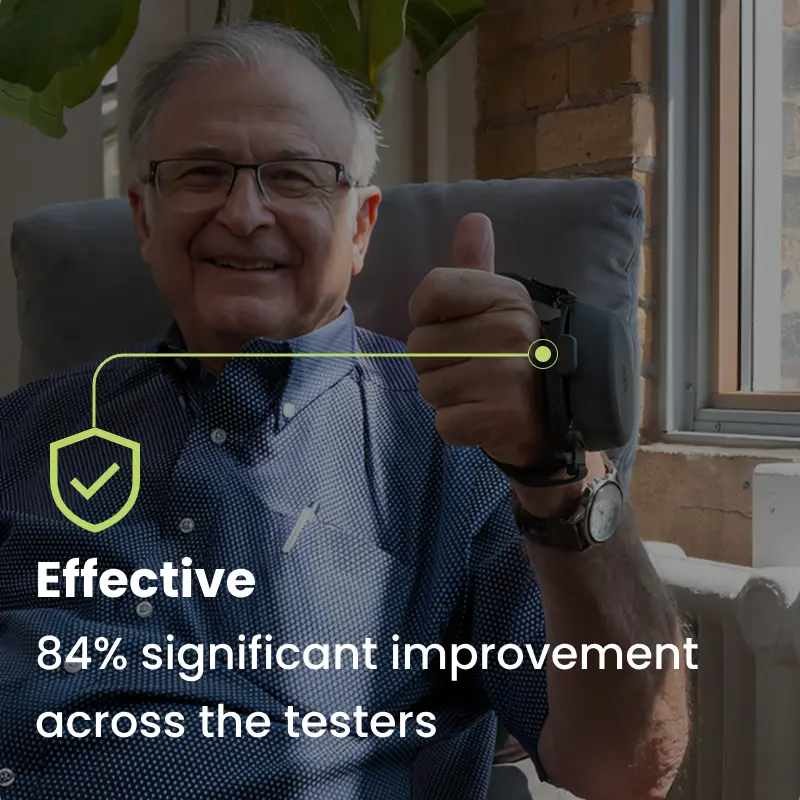
These functional improvements were particularly noticeable in everyday tasks such as drinking from a cup, eating with utensils, and writing. Supporting these findings, 84% of users reported a significant reduction in tremor severity after just one week of using our assistive device for hand tremors. Importantly, these benefits were achieved without any reported adverse effects, underscoring the device’s safety, ease of use, and real-life impact on daily independence and control.
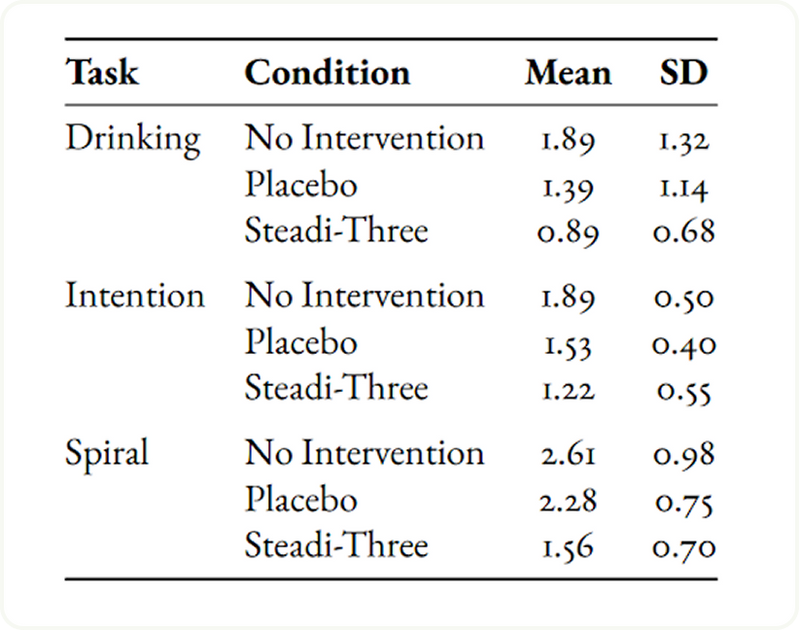
Neurologist-Rated Tremor Severity Across Tasks
In the table, neurologist-rated mean tremor scores (0–4 scale) clearly show that the Steadi-3 Plus device achieved the lowest tremor severity across all activities, with particularly strong results in the drinking task, where mean scores decreased from 1.89 (no intervention) to 0.89 (Steadi-3 Plus). Similarly, the intention task improved from 1.89 to 1.22, and the spiral drawing task from 2.61 to 1.56, indicating consistent tremor reduction across both gross and fine motor tasks.
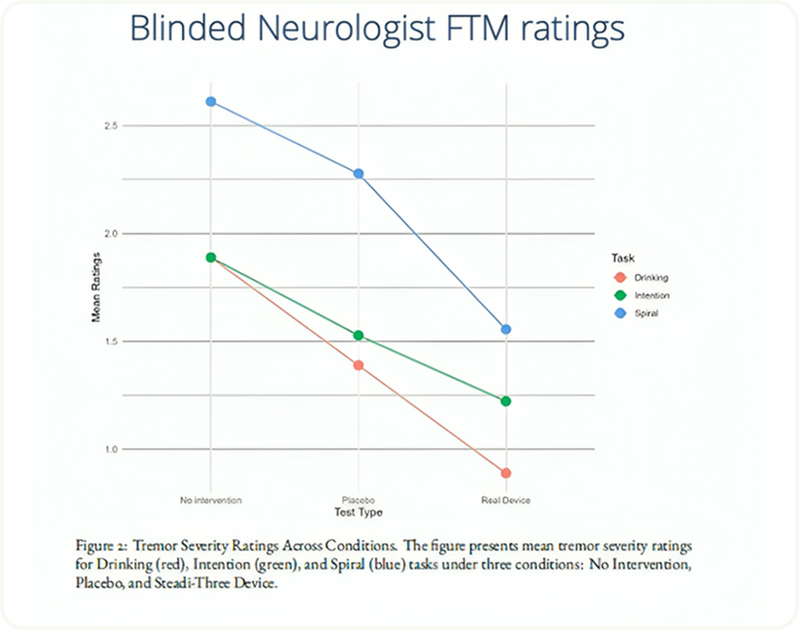
Tremor Severity Reduction
The graph visually reinforces these outcomes, illustrating a steady downward trend in tremor ratings as participants transitioned from baseline to placebo to Steadi-3 Plus conditions. Each colored line—red for drinking, green for intention, and blue for spiral—demonstrates measurable improvement, with the steepest slope observed in the drinking task, reflecting significant enhancement in functional control.
These findings validate Steadi-3 Plus’s role in restoring functional independence and facilitating smoother, more controlled motion in everyday life.

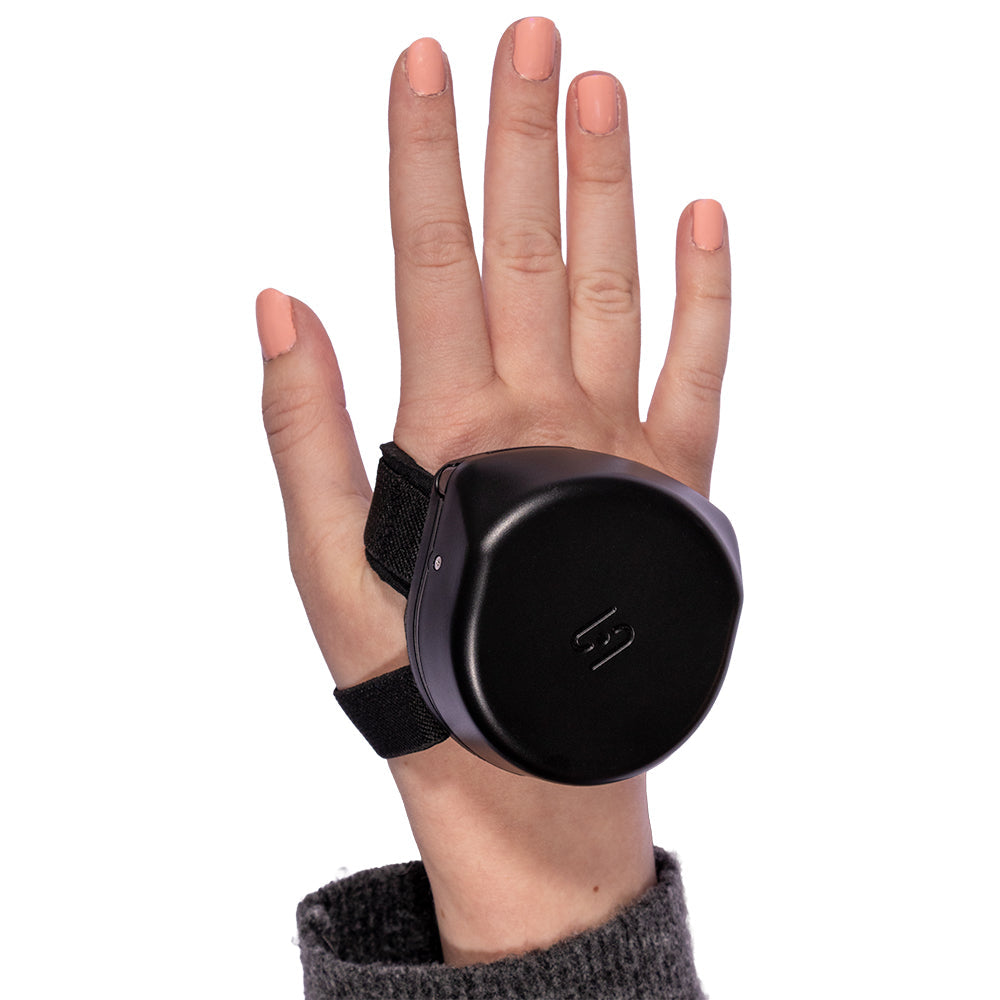
Steadi-3 Plus – Your Anti-Tremor Glove for Daily Independence



Steadiwear Inc
Steadi-3 Plus – Your Anti-Tremor Glove for Daily Independence
Clinically tested glove that reduces hand tremors — battery-free and comfortable for everyday use.
- Stabilizes hand tremors instantly
- Battery-free & lightweight
- NEW: Replaceable straps — swap them out anytime for a fresh, custom fit
- 30-day money-back guarantee
- Worldwide Shipping (over 150 countries)

30-Day Money Back
Free Shipping
FDA Registered Device
1-Year Warranty
- Replaceable Straps (NEW): The Steadi-3 Plus introduces easy-to-swap straps made from durable Neoprene foam. When your straps show wear, simply detach and replace them — no tools required. Keep your glove feeling brand new without replacing the entire device.
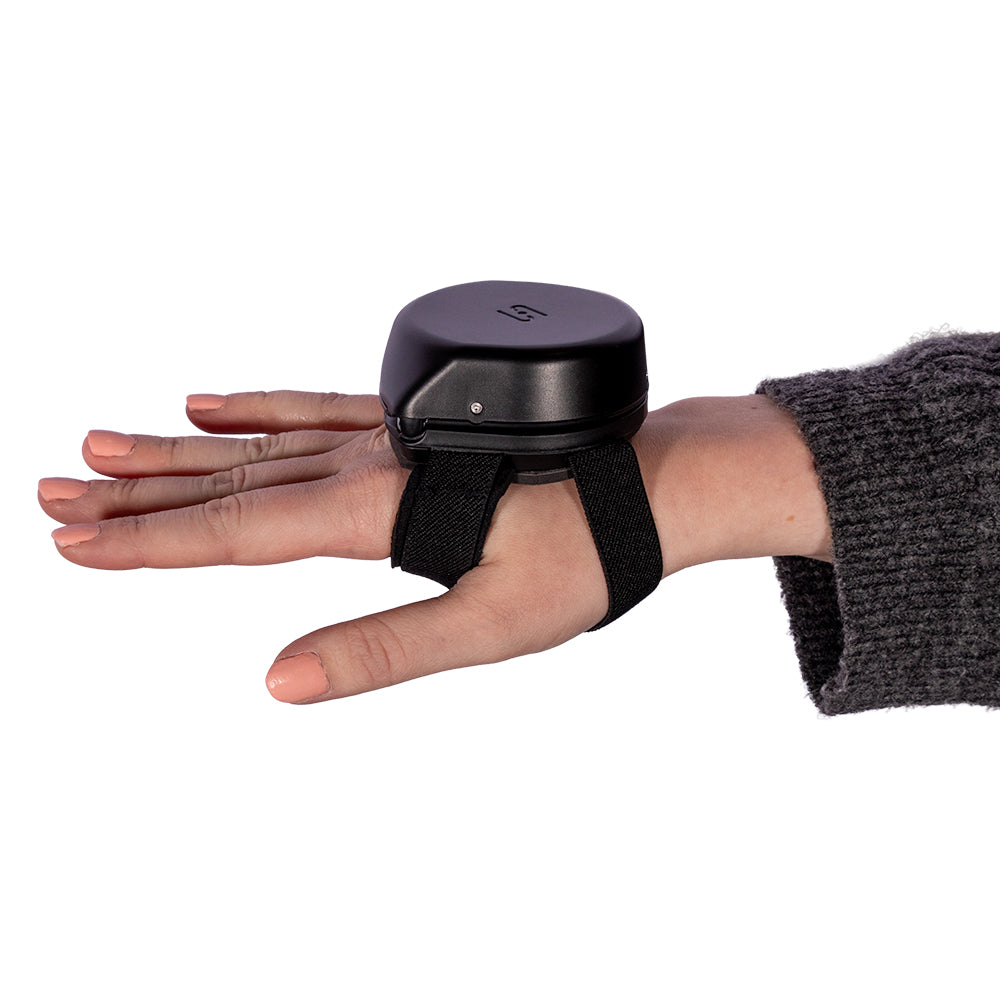
- Universal Sizing: Our anti-tremor device is adjustable to meet your hand size. It is available for either hand and ensures an effective experience.
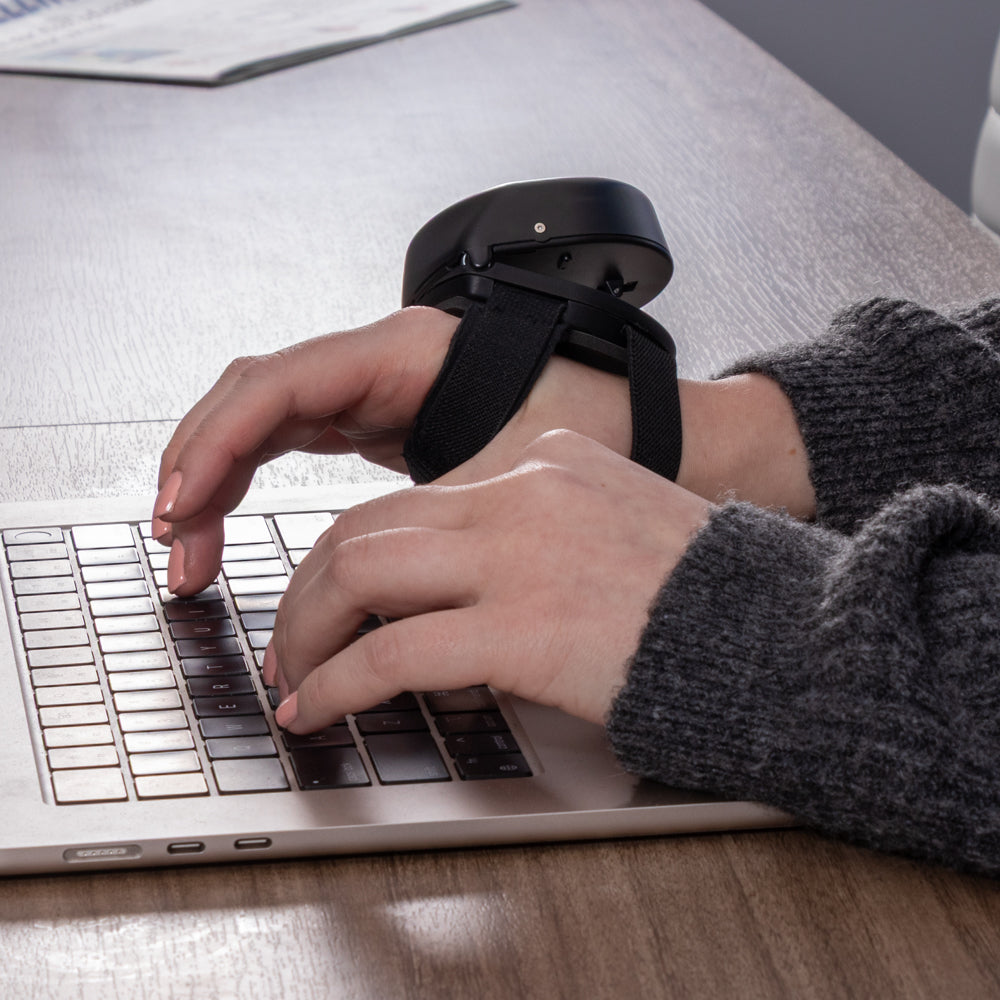
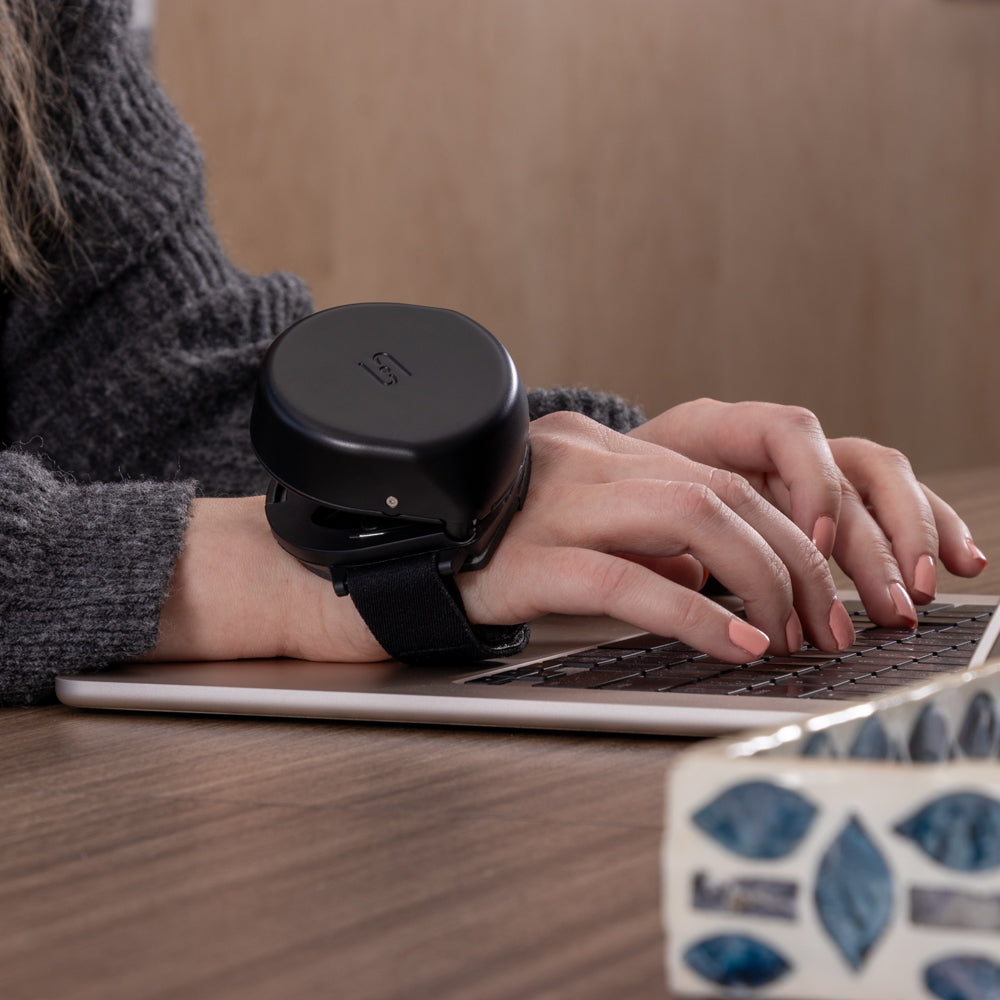
- Compact, Comfortable Fit: With its silicone and Neoprene foam straps, the Steadi-3 Plus is designed to fit securely without compromising comfort, allowing you to wear it throughout the day with ease.
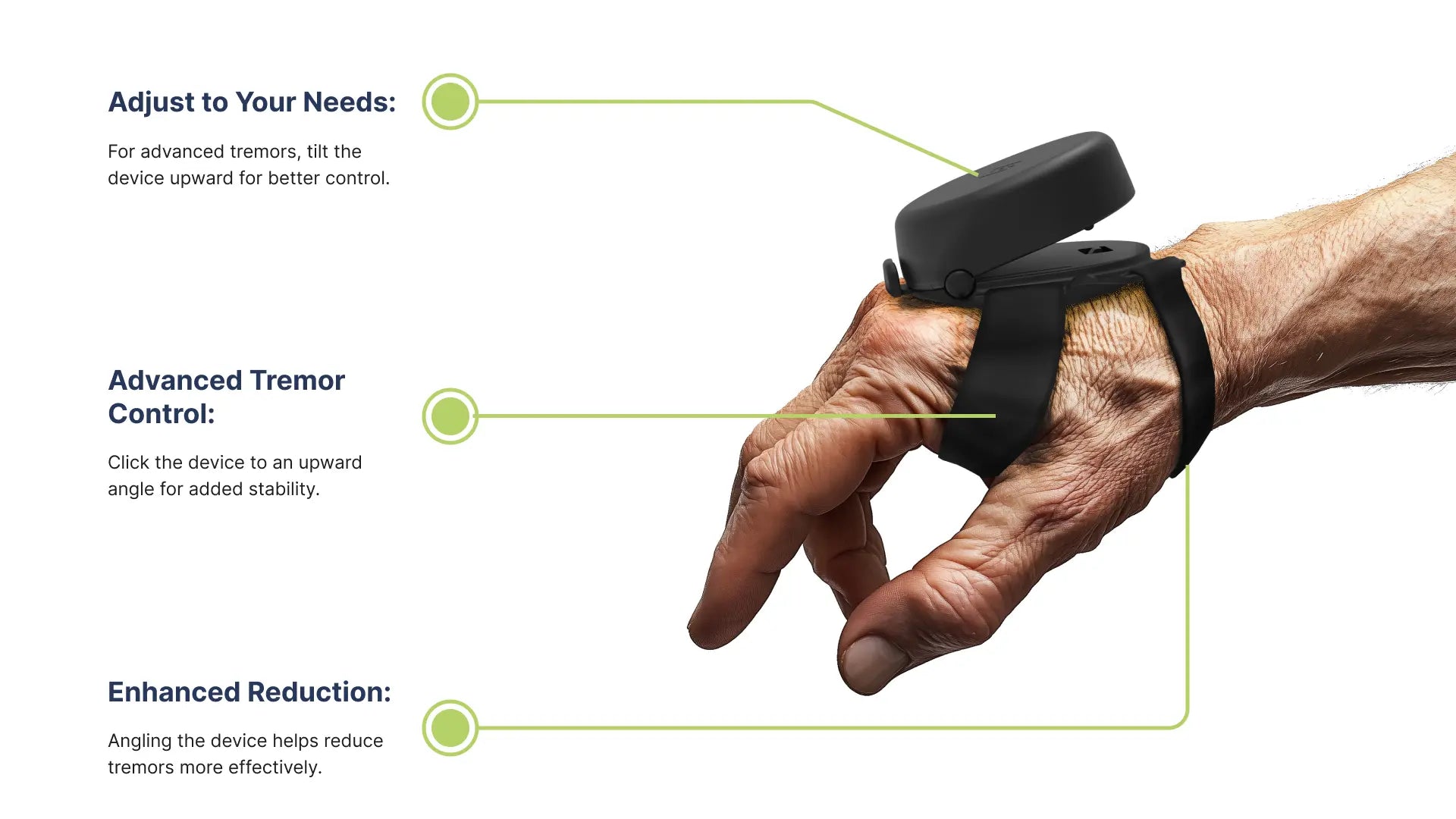
- Automatic Adjustment: The Steadi-3 Plus adapts to your tremor intensity automatically, providing consistent stabilization as your tremor level changes in real time.
- FDA-Registered for Safety: As an FDA-registered Class I medical device, the Steadi-3 Plus is a trusted, safe choice for reducing hand tremors
- Slide your hand into the glove, ensuring it fits snugly around your palm.
- Tighten the fit by adjusting the velcro until it feels securely in place but still comfortable. Once the device is on, it will immediately calibrate itself to your tremor frequency and start stabilizing your hand.
- Replacing straps: To swap your straps, gently detach the existing straps from the stabilizer unit and click the new ones into place. No tools needed — takes under a minute.
In controlled evaluations, 84% of participants showed improved tremor control with Steadi-3 Plus versus no device. 70% showed improvement over placebo, based on blinded neurologist assessments.
Warranty: We back our product with a one-year warranty.
Risk-Free Trial: With our 30-day hassle-free return policy, you
can test the Steadi-3 Plus glove with confidence.
Regain Control: Combat hand tremors effectively with the trusted
Steadi-3 Plus glove from Steadiwear.
Please be aware that all returns are subject to a restocking fee of $83 USD or $117 CAD per unit to cover shipping, returns, customs and fulfillment. This fee will be deducted from your refund in the case of a return request.
If your healthcare provider recommends an assistive device to help manage hand tremors caused by a
specific medical condition, you may be able to use your Flexible Spending Account (FSA) or Health Savings
Account (HSA) to pay for the Steadi-3 Plus tremor glove.
Learn more here
-
We ship the Steadi-3 Plus to over 150 countries. Standard shipping is free within Canada. Shipping rates
by region:
- Canada — Free standard shipping · Express (3 business days): $75.00
- Rest of the world: $49.99 · 6–10 business days Orders are processed within 1–2 business days. You'll receive a tracking number by email once your order ships. International orders may be subject to local customs or import duties.

Frequently Asked Questions
The Steadi-3 Plus evaluation study aimed to assess the device’s effectiveness in reducing upper-limb tremors through controlled testing. Researchers observed participants performing everyday and fine-motor tasks—such as drinking, finger-to-nose movement, and drawing an Archimedes spiral—under three conditions: no intervention, placebo, and active device use. Neurologists rated tremor severity using a modified Fahn-Tolosa-Marin scale, while participants provided feedback on usability and comfort. The study’s goal was to determine whether Steadi-3 Plus, as a non-invasive assistive device, could offer significant tremor reduction without medication or surgery, helping individuals with Essential Tremor or related movement disorders regain better control in daily activities.
Tremor severity was evaluated by independent neurologists using a modified Fahn-Tolosa-Marin (FTM) scale, which scores tremor intensity from 0 (no tremor) to 4 (severe tremor). Participants performed three tasks—drinking, intention (finger-to-nose), and spiral drawing—under baseline, placebo, and active device conditions. Videos of each session were reviewed blindly to prevent bias, ensuring that raters could not distinguish between placebo and real device usage. The modified FTM included additional precision for functional tasks like drinking to better reflect real-world usability. This standardized scoring system provided objective, consistent data confirming that the Steadi-3 Plus device significantly reduced tremor across multiple tasks.
The evaluation demonstrated that the Steadi-3 Plus device consistently reduced tremor severity across all tasks compared to both placebo and no intervention. On average, participants’ tremor ratings decreased most notably during the drinking task—from 1.89 at baseline to 0.89 with Steadi-3 Plus. The intention task improved from 1.89 to 1.22, and the spiral task from 2.61 to 1.56. Statistical analysis (ANOVA) confirmed significant effects for both task type and intervention condition. Additionally, 70% of participants improved over placebo, 80% over baseline, and 83% self-reported noticeable improvement—indicating strong alignment between clinician evaluations and participant experiences with the device.
Participants reported overwhelmingly positive outcomes. After both short-term and one-week usage, 83% described significant improvement in tremor control and indicated they would continue using the device. They highlighted easier completion of daily tasks—especially drinking without spilling—as a major benefit. None of the participants experienced adverse effects, confirming the device’s comfort and safety during extended wear. Users also appreciated its ease of integration into their daily routines. These results show that Steadi-3 Plus not only reduces tremor severity but is also practical and user-friendly, making it a promising non-invasive option for ongoing tremor management.
Future studies will focus on larger, more diverse participant groups to validate Steadi-3 Plus’s effectiveness across different tremor types and severity levels, including Parkinson’s Disease and Essential Tremor. Researchers plan to incorporate objective biomechanical measurements—such as motion sensors and tremor amplitude tracking—to complement neurologist ratings and further quantify mechanical improvements. Development goals include refining ergonomics for better comfort, enhancing adaptability for varied user needs, and testing long-term performance in real-world environments. These next steps aim to strengthen clinical validation and optimize Steadi-3 Plus as a reliable, non-invasive assistive device for individuals living with tremor-related conditions.