Hand tremor devices compared: Steadi-3 Plus and other available options
How Hand Tremor Devices Work
Hand tremor devices are wearable tools designed to reduce involuntary hand movement in people living with Essential Tremor or Parkinson’s Disease, making everyday tasks like eating and writing easier. They fall into a few broad groups: gloves and braces that mechanically stabilize the hand, battery-powered gloves that use a spinning gyroscope, custom-fitted orthotics, and wrist-worn devices that use electrical nerve stimulation. Each approach differs in how it works, what it costs, and how it fits into daily life. Learn more by exploring the Steadi-3 Plus as a Cala Trio alternative or comparing Steadi-3 Plus vs GyroGlove.
Choosing a tremor device
Cost and insurance coverage
- Cala kIQ is available by prescription and may be covered by Medicare for beneficiaries who meet coverage criteria. VA benefits may also apply for eligible veterans.
- Devices that use passive magnetic stabilization, such as the Steadi-3 Plus, do not rely on electrical stimulation and may be eligible for FSA or HSA reimbursement with a Letter of Medical Necessity from a healthcare provider. See the FSA & HSA eligibility page for details.
- Out-of-pocket pricing can range widely, from under $1,000 to several thousand dollars, depending on the technology used.
- Understanding total cost, including maintenance, replacements, or subscriptions, can help avoid unexpected expenses.
Prescription requirements
- Electrical stimulation devices like Cala kIQ require a prescription, typically from a neurologist or movement disorder specialist.
- Readi-Steadi requires a physician’s order and a fitting assessment with an occupational therapist.
- Steadi-3 Plus is sold directly and doesn't require a prescription, though consulting a healthcare provider is always recommended. Confirm the requirements for other devices with their manufacturers.
Weight and comfort
Heavier devices may offer stabilization benefits but can feel bulky or fatiguing for some users. Check each manufacturer’s current weight specification before you decide.
Battery-powered vs. battery-free
Battery-powered devices, such as GyroGlove and Cala kIQ, need regular charging. The Steadi-3 Plus is battery-free and needs no charging.
Try before you commit
Steadi-3 Plus includes a 30-day money-back guarantee (a restocking fee applies), allowing users to evaluate whether the device meets their daily needs. Trying a device in real-world conditions, such as eating, writing, or using tools, can provide valuable insight before making a long-term decision.


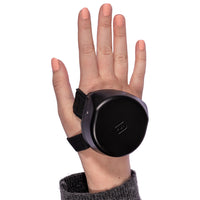
Steadi-3 Plus
$999.00
- 30-day money-back guarantee
- Free shipping
- 1-year warranty
- FDA-registered Class I device
Detailed comparisons
For a closer look at one device at a time, each of our guides compares it with the Steadi-3 Plus on how it works, cost, and daily use. If you are considering a prescription wrist stimulator, start with our guide to Cala Trio cost and coverage. If a battery-powered gyroscope glove is on your list, see how GyroGlove compares on price, weight, and charging. For a custom-fitted orthotic, the Readi-Steadi glove guide covers fitting, cost, and everyday wear.
FAQ
Wearable tremor devices offer a non-invasive option for individuals whose tremors are not adequately managed with medication or who are not candidates for surgical interventions such as deep-brain stimulation.
Published results include:
- Steadi-3 Plus: In a placebo-controlled study, 84% of users showed improved tremor control versus no device.
- Cala kIQ: in Cala’s three-month at-home study, 64% of patients reported tremor relief lasting an average of 94 minutes after a 40-minute session.
Wearable devices can often be used alongside medications and do not introduce drugs into the body. Effectiveness varies based on tremor type, severity, and individual response, so outcomes may differ from person to person.
The Steadi-3 Plus glove offers a non-invasive option compared to medications commonly prescribed for Essential Tremor or Parkinson’s Disease. While medications may help some individuals, they can also cause side effects such as fatigue, dizziness, or reduced effectiveness over time. Steadi-3 Plus uses passive magnetic stabilization and does not introduce drugs into the body. It is designed to reduce tremors during use and can be worn only when needed, though effectiveness may vary by individual. Some people use the Steadi-3 Plus alongside medication, in consultation with their healthcare provider.
Steadi-3 Plus differs significantly from surgical options such as Deep Brain Stimulation. DBS involves an invasive surgical procedure, implanted hardware, and ongoing medical management. In contrast, Steadi-3 Plus is an external, FDA-registered Class I medical device that requires no surgery, no recovery time, and no ongoing clinical adjustments. It is battery-free, lightweight, and can be used immediately for everyday tasks like eating or writing. For individuals who are not candidates for surgery, prefer non-invasive options, or want an alternative approach, Steadi-3 Plus may offer meaningful functional support.
Many tremor aids focus on a single task, such as weighted utensils or specialized pens, which limits their usefulness throughout the day. Steadi-3 Plus is different because it stabilizes the hand itself rather than replacing individual tools. This allows users to perform a wider range of activities, from eating and writing to grooming and using electronics. Unlike heavyweight devices, Steadi-3 Plus is lightweight and automatically adjusts to tremor intensity without batteries or manual settings. It is designed to support daily function across multiple activities rather than addressing only one specific task.