
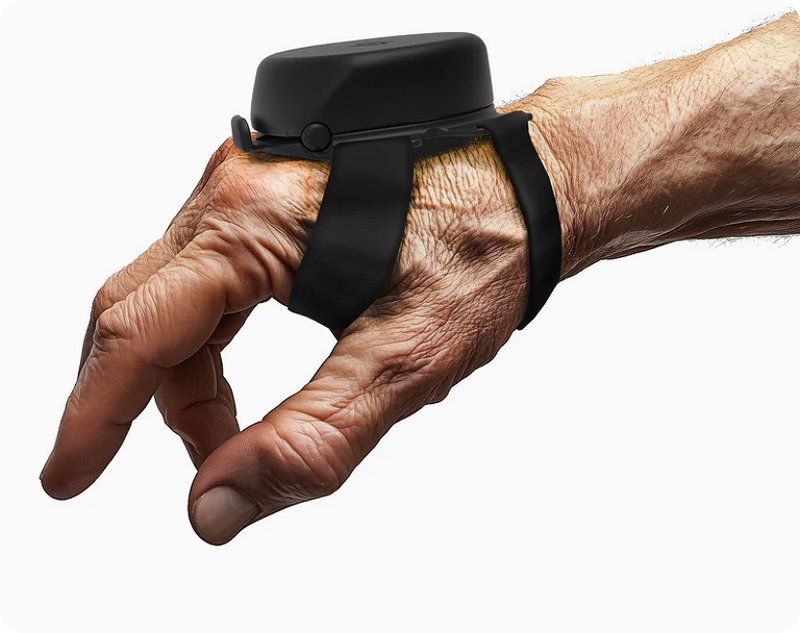

How to Pay for Your Steadi-3 Plus Tremor Glove
Most customers pay for Steadi-3 Plus using one or more flexible pathways, including FSA or HSA reimbursement, insurance reimbursement after purchase, monthly financing with Affirm, or direct payment by card or PayPal. Steadi-3 Plus is offered through a direct-to-consumer model, allowing purchase without clinic scheduling or pre-authorization. Although direct insurance billing is not standard, many users successfully pursue medical device reimbursement after purchase with proper documentation, choosing the option that best fits timing, budget, and benefit availability. This flexibility helps patients act quickly while still planning reimbursement later through employer or private plans.

Is Steadi-3 Plus FSA and HSA Eligible?
In most cases, Steadi-3 Plus is commonly treated as FSA-eligible medical equipment and an HSA-eligible tremor device when used for a diagnosed condition such as Essential Tremor or Parkinson’s Disease. Many administrators rely on IRS guidance to evaluate eligibility and may request a Letter of Medical Necessity. FSA funds often expire annually, while HSA balances typically roll over, offering greater flexibility. Documentation requirements can vary by plan.
FSA/HSA Planning and Reimbursement Process
FSA and HSA reimbursement requires planning and documentation. FSA accounts often have use-it-or-lose-it deadlines near year-end, while HSA funds usually roll over annually. To seek reimbursement, request a Letter of Medical Necessity from your provider, purchase Steadi-3 Plus, save an itemized receipt, and submit both to your administrator. Many plans require confirmation that the tremor glove supports a diagnosed condition, such as Essential Tremor or Parkinson’s Disease. For certainty, contact your HR or benefits administrator to confirm whether an LMN is required under your specific plan before purchasing to avoid delays or denials later.
Insurance Reimbursement and Appeals
Insurance reimbursement for Steadi-3 Plus usually follows a purchase-then-submit process. After buying the device, submit an itemized receipt, Letter of Medical Necessity, diagnosis documentation, and required claim forms to your insurer. Even if coverage is denied, appeals are common. Request the denial reason in writing, review deadlines carefully, and ask your provider to add functional detail. Strong, device-specific documentation consistently improves outcomes for medical device reimbursement and assistive equipment claims over time.
Medicare, VA, Canada, and Financing Options
Medicare generally doesn’t cover Steadi-3 Plus at this time, so many beneficiaries rely on self-pay, financing options, or attempts to obtain reimbursement through supplemental or secondary plans. Veterans may explore VA prosthetics or assistive technology funding pathways through their care team. In Canada, funding options vary by province and insurer. Flexible payment plans with Affirm allow immediate access without waiting for coverage determination decisions.
Frequently Asked Questions
In many cases, yes. Steadi-3 Plus is commonly treated as FSA-eligible medical equipment and may qualify as an HSA-eligible tremor device when used to help manage a diagnosed medical condition, such as Essential Tremor or Parkinson’s disease. Because tremor gloves are considered assistive medical devices rather than general wellness products, most benefit administrators evaluate eligibility based on medical necessity. As a result, many plans request a letter of medical necessity (LMN) from a licensed healthcare provider to support reimbursement. FSA accounts often have stricter documentation requirements and use-it-or-lose-it deadlines, while HSA funds typically roll over year to year and allow more flexibility. To avoid surprises, it’s recommended to confirm documentation requirements with your plan administrator before purchasing.
Steadi-3 Plus is typically purchased through a direct-to-consumer model, meaning insurance is not billed at checkout. However, many users pursue insurance reimbursement after purchase when their plan allows out-of-network or out-of-pocket medical expense claims. This purchase-then-submit approach is common for assistive devices and newer medical technologies that are not yet embedded in standard insurance billing workflows. After buying Steadi-3 Plus, users submit documentation—such as an itemized receipt, diagnosis information, and a letter of medical necessity—to their insurer for review. While reimbursement is not guaranteed and coverage varies widely by plan, some insurers reimburse part or all of the cost when the device aligns with durable medical equipment coverage or medically necessary assistive technology benefits.
A letter of medical necessity (LMN) is a short clinical document written by a licensed healthcare provider that explains why a specific medical device is necessary for a patient’s diagnosed condition. For tremor devices like Steadi-3 Plus, an LMN typically describes the patient’s diagnosis (such as Essential Tremor or Parkinson’s disease), how tremor symptoms affect daily activities like eating, writing, or working, and why an assistive device is medically appropriate. Insurance providers, FSA administrators, and HSA reviewers rely on LMNs to distinguish medically necessary equipment from general wellness or convenience items. A strong LMN improves reimbursement odds by clearly connecting the device to functional limitations and medical need rather than comfort or lifestyle use.
To pursue insurance reimbursement, most users follow a purchase-then-reimburse process. First, purchase Steadi-3 Plus and save an itemized receipt or invoice. Next, gather supporting documentation, including a letter of medical necessity, your provider's diagnosis notes, and any claim forms required by your insurer. Submit the claim through your insurer’s portal, mobile app, or by mail, depending on their process. After submission, track the claim status and keep copies of all correspondence. If the claim is denied, you can often appeal by requesting the denial reason in writing and submitting additional documentation that further explains medical necessity and functional impact.