Understanding Tremors in Aging Hands
Tremors, or shaking hands, are a phenomenon many encounter, especially as they age. Persistent tremors can hinder daily tasks, and it's crucial to understand their root causes, which can range from neurological disorders to medication side effects.
If you're noticing a tremor in hands, seeking advice from a healthcare professional is paramount. This article will explore the various reasons and potential treatments for hand tremors in the elderly.
The Aging Process and Its Impact on Hands
While tremors aren't universal among the elderly, they can be indicative of underlying diseases or benign conditions that resolve on their own. Neurological changes, hinting at neurodegeneration, are often the culprits behind age-related tremors. Your risk might be elevated if your family has a history of movement disorders.
Diving into the Causes
The involuntary shaking experienced by seniors can have diverse origins. For instance, low blood sugar levels from missed meals might lead to shaky hands. Here are some prevalent conditions linked to tremors in the elderly:
1. Essential Tremor
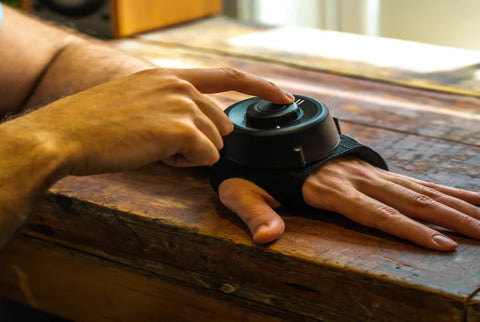
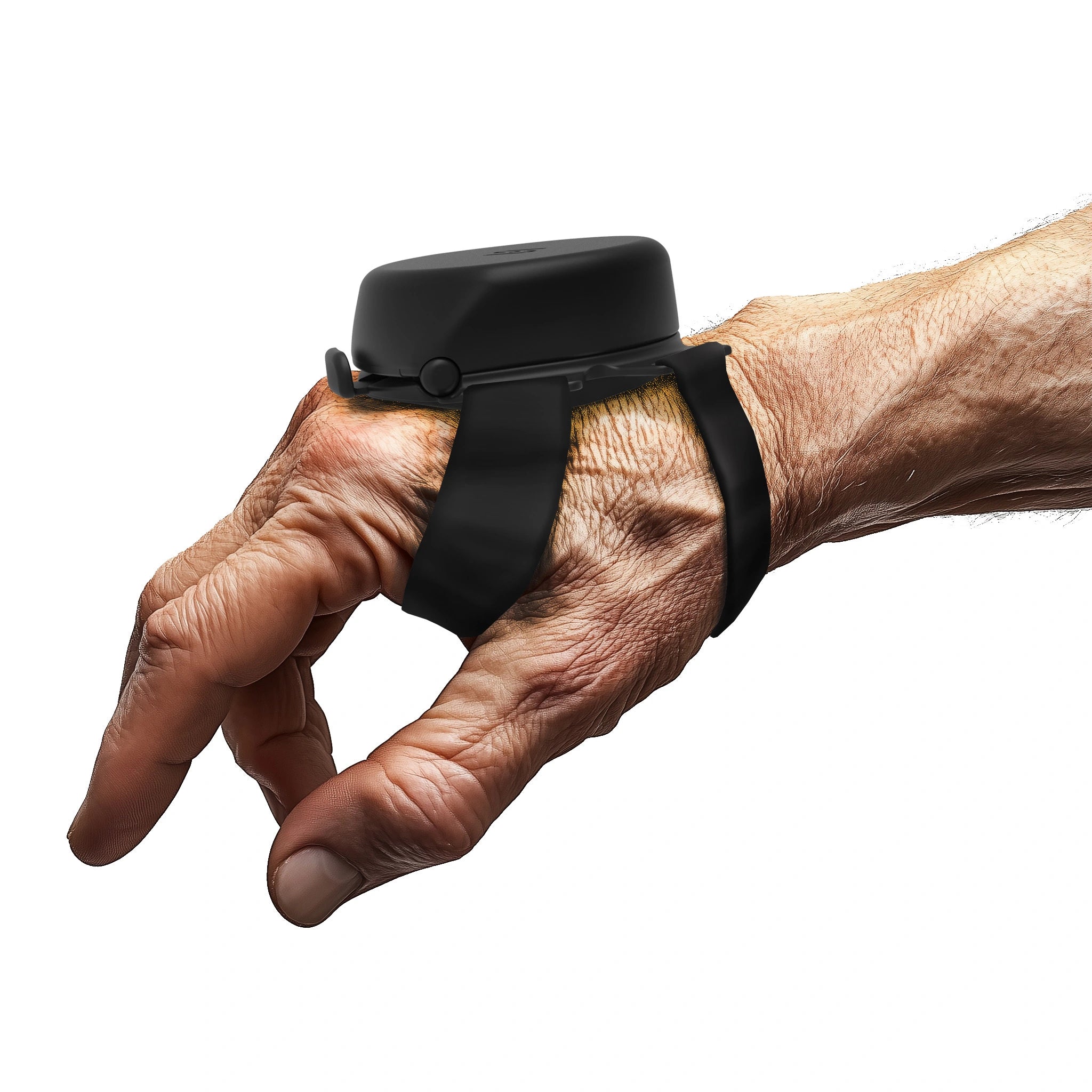
One of the most common causes of shaky hands in older adults is essential tremor, a neurological movement disorder that can disrupt the quality of life. It can affect one or both hands and may worsen when performing tasks like drinking from a cup or writing. Tremors can also affect the voice, head, and torso. The severity of the tremors varies, and while no cures exist, medications, treatments like Botox injections and Deep Brain Stimulation (DBS), and adaptive devices like the Steadiwear are available to manage the symptoms
Why do elderly hands shake is a question that often comes down to one clinical distinction: whether the tremor occurs at rest or during movement. Resting tremors appear when the hand is relaxed and are most commonly associated with Parkinson's Disease. Action tremors, linked to Essential Tremor and other causes of shaking hands in elderly patients, occur during voluntary movement and most directly interfere with tasks such as eating, writing, and holding objects. Hand tremors causes in elderly patients vary, but assistive devices such as the Steadi-3, an FDA-registered Class I medical device that uses passive magnetic stabilization, can complement medical treatment by supporting hand control during these tasks.
2. Huntington's Disease
This inherited brain disease causes brain defects and reduces life expectancy. Symptoms usually start from 30-50 years and include uncontrollable arms, legs, hands, face, feet, and upper body movement. As the disease progresses, it affects cognitive function.
3. Multiple Sclerosis
This condition is caused by damage to the myelin coating on nerves. Symptoms include shaking hands and other parts of the body. Treatment usually involves a physical or occupational therapist.
4. Hypoglycemia
Hypoglycemia is when blood glucose levels are below normal. Symptoms usually include shaky hands, sweating, hunger, and anxiety.
Classifying Tremors
Tremors vary, from temporary shakes to persistent movement disorders:
- Action Tremors occur during voluntary muscle contraction, like essential tremor (ET).
- Physiologic Tremor: A barely noticeable natural body function.
- Enhanced Physiologic Tremor: More visible than regular physiologic tremors, often due to factors like medication or hyperthyroidism.
- Psychogenic Tremor: Caused by psychological factors, it can shift from hands to other body parts.
- Orthostatic Tremor: Characterized by shaky legs that vanish when seated.
- Cerebellar Tremor: Occurs after purposeful movements, often due to conditions like multiple sclerosis or alcohol misuse.
Managing Tremors with Steadiwear
For seniors grappling with tremors, consulting a healthcare provider is essential. While some conditions lack a cure, innovations like Steadiwear offer symptom relief. This glove, designed to counteract tremors, has improved many users' quality of life. With the right approach, symptoms can be managed effectively.