Essential Tremor self-consciousness: why it happens and how to move past it
Essential Tremor self-consciousness often begins with a single moment: a shaky signature at the bank, a spilled drink at dinner, or an offhand comment from a stranger. Rarely does it come from one event. It builds through repeated small experiences until it shapes how you move through the day. This article explains why it happens and offers practical ways to move past it.
Why Essential Tremor triggers feelings of self-consciousness
Cultural pressure toward physical conformity makes any visible shaking stand out. When hands do not stay still the way people expect, a visible movement disorder draws attention it did not ask for. Essential Tremor self-consciousness grows from this gap between how bodies are supposed to look and how they actually move. The tremor often draws unwanted notice even when it does not affect your ability to complete a task, which is what makes it feel so unfair.
How tremor is often misread as nervousness or anxiety by others
Onlookers frequently assume a shaking hand signals nerves, or worse, dishonesty. With Essential Tremor, this misperception misses the point entirely, because the movement is neurological, not emotional. Being told "you seem nervous" during a calm conversation is a common frustration many patients describe. Then comes the second burden: deciding whether to correct the assumption. Explaining that anxiety has nothing to do with it can become its own quiet source of stress.
The link between visible tremor and self-esteem, especially in childhood
Tremor and self-esteem often become intertwined early, long before adulthood. Teasing during school years can shape a child's self-image around a single visible symptom, and that impression tends to stick. Childhood tremor turns ordinary tasks into moments of exposure. Tying shoes in front of classmates or carrying a tray across a crowded cafeteria can invite embarrassment. These early experiences quietly shape how a person views themselves, tying Essential Tremor and identity together for years afterward.
When self-consciousness follows patients into work and public settings
The pattern rarely stays in the past. In adult life, Essential Tremor public speaking anxiety can turn presentations and meetings into sources of dread long before they begin. One patient account describes hiding hands in pockets right up until the moment of speaking. The trouble is that self-consciousness and situational anxiety feed each other. Worrying about the tremor can make the moment feel bigger, which then makes the worry harder to set aside at work.
Everyday moments that intensify tremor self-consciousness

Across patient accounts, the same ordinary situations come up again and again. Signing documents at a counter, passing a card at checkout, or eating soup in company can all sharpen Essential Tremor self-consciousness. Eating in public is a frequent trigger, because it means performing a task while others watch, something most people do without a second thought. Often the anticipation is the hardest part. Bracing for these moments hours in advance can feel as stressful as the moments themselves.
Talking openly about Essential Tremor can ease self-judgment
Silence leaves room for guesswork, and guesswork is where judgment starts. Briefly explaining Essential Tremor removes that uncertainty and gives people context instead of assumptions. Education can be short and simple. Asking for a small accommodation, such as help carrying items, is a documented coping tip that many patients find easier than it first sounds. Naming the condition shifts the story from an unexplained tremor to a known one, which often takes pressure off both sides.
Learning from others who have moved past tremor-related shame
Progress is possible, and other patients show what it can look like. One first-person account describes years of hiding, followed by a gradual turn toward advocacy and open conversation. Overcoming tremor-related shame did not happen in a single moment for this person. It built slowly, through repeated choices to be visible rather than hidden. Hearing these stories can normalize the experience, reminding you that self-consciousness is common and that comfort with public visibility can genuinely grow over time.
Building routines that reduce the spotlight on shaking hands
Small planning steps can take the edge off predictable trigger moments. Ordering finger foods instead of soup, or choosing a dish that travels easily from plate to mouth, removes one common worry before it starts. Positioning objects within easy reach, or picking a seat where a task feels less on display, reduces visibility without forcing you to hide entirely. These routines support a steadier sense of Essential Tremor and self-image, mostly by cutting the anticipatory stress that builds ahead of time.
Why perspective and self-talk matter as much as symptom management
Physical strategies help, but the internal story matters too. A steady, matter-of-fact narrative reduces the emotional charge of a tremor moment. Telling yourself "this is just my tremor" carries less weight than treating each shake as a verdict on your worth, which is where tremor and self-esteem meet self-talk. Learning from other patients can model a healthier view of yourself. Perspective shifts take practice, though. They are not a one-time fix, and returning to them regularly is part of how they work.
When self-consciousness becomes something to discuss with a professional
There is a line between everyday self-consciousness and something heavier. When distress persists and begins to affect daily function, avoiding work, meals, or relationships, it goes beyond typical discomfort. A healthcare provider can assess whether anxiety or depression is present alongside Essential Tremor and its emotional distress. Support options range widely, from counselling that addresses the internal experience to symptom management strategies for the tremor itself. Reaching out is not an overreaction; it is a reasonable response to lasting strain.
Support for the moments that feel most exposed

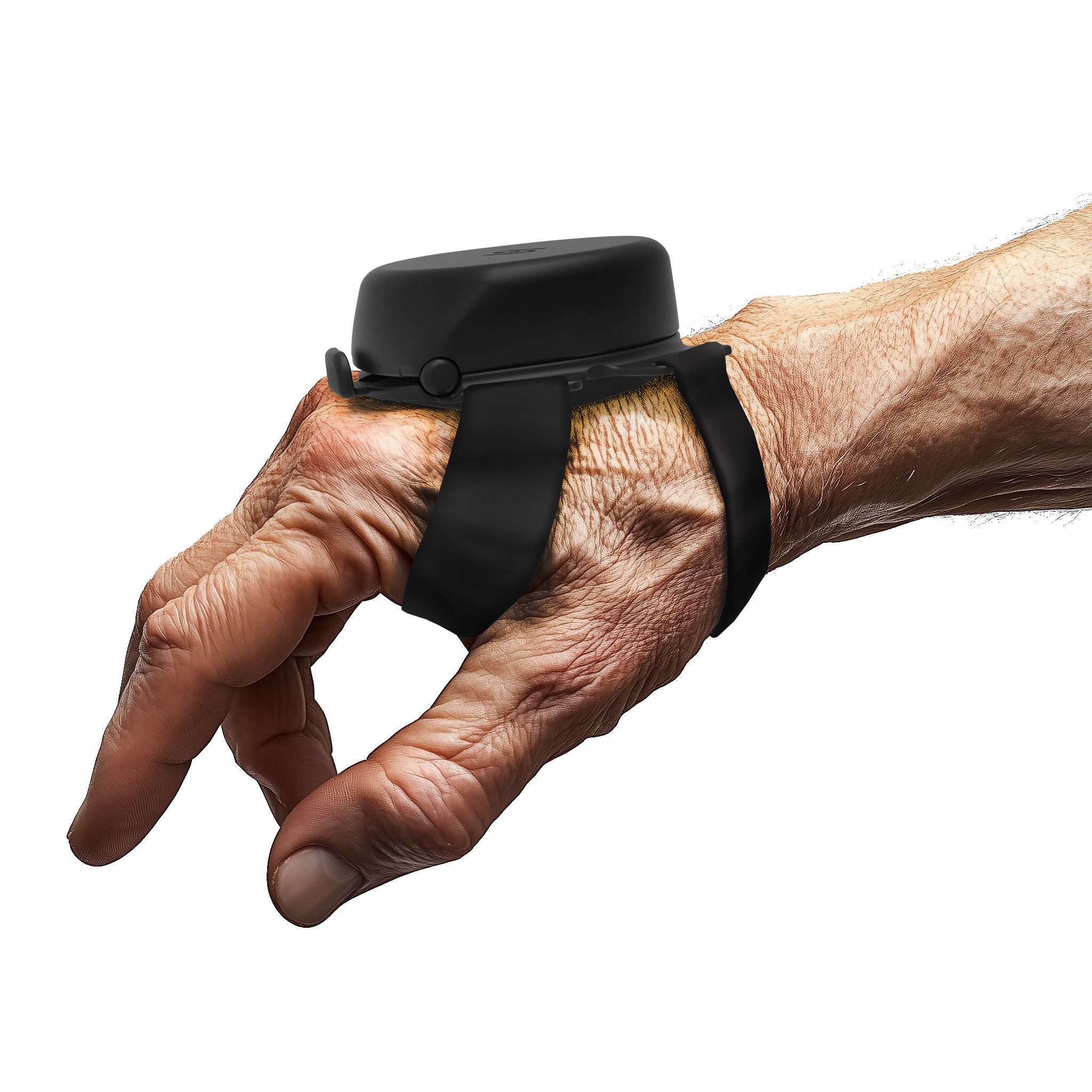
Meetings, meals, and signing documents rank among the most common triggers for tremor self-consciousness. Steadiwear makes the Steadi-3, an FDA-registered Class I medical device that uses passive magnetic stabilization and is battery-free. In a placebo-controlled study, 85 percent of users showed significant tremor reduction. It is one option among several for supporting control and independence during daily tasks, alongside other coping strategies covered here. As always, discuss any device or treatment option with a healthcare provider before deciding what fits.
Conclusion
Essential Tremor self-consciousness develops gradually, and the encouraging part is that it can be worked through gradually too. No single fix carries all the weight. Disclosure eases judgment, steadier perspective softens the emotional charge, and practical routines take pressure off predictable moments. Support comes in many forms, from patient community and shared stories to professional guidance for heavier distress. Choosing among these paths, including any device or treatment, is best done with a healthcare provider who understands your situation.