Parkinson's Disease psychosis: understanding hallucinations, delusions, and when to seek help
Parkinson's Disease psychosis is a term that can feel frightening the moment you hear it, yet it describes a recognized and fairly common non-motor symptom. This article explains what hallucinations and delusions actually look like, why they happen, how doctors evaluate them, and the specific signs that call for prompt medical attention. Knowing what to expect helps you respond calmly and get the right support sooner.
What "psychosis" means in Parkinson's Disease
Clinicians use "psychosis" as an umbrella term in a Parkinson's Disease context, covering illusions, hallucinations, and delusions rather than pointing to a separate diagnosis. Illusions involve misreading something that is really there, hallucinations involve perceiving something that is not, and delusions are fixed false beliefs. Together, these can reflect a loss of reality testing. Importantly, experiencing one of them does not mean someone has schizophrenia or another distinct psychiatric illness.
Types of hallucinations people with Parkinson's Disease may experience
Visual hallucinations are the most commonly reported type, often involving seeing people, animals, or shapes that are not actually present. Some experiences are fleeting and mild, such as a sense that something passed by. Less common forms include auditory hallucinations (hearing sounds or voices), olfactory hallucinations (smelling odours with no source), and tactile hallucinations (feeling touch or movement on the skin). These experiences can range from barely noticeable to genuinely distressing.
Types of delusions and common themes
Delusions are fixed false beliefs that feel completely real to the person experiencing them, even when the evidence points elsewhere. In the Parkinson's Disease literature, certain themes appear more often than others. Persecution is common, where a person believes someone intends to harm, follow, or steal from them. Jealousy is another documented theme, involving a firm belief that a partner is being unfaithful. Because these beliefs feel real, they can be especially distressing for everyone involved.
What causes hallucinations and delusions in Parkinson's Disease

Hallucinations and delusions in Parkinson's Disease can arise from more than one source. Brain changes related to the disease itself, including shifts in dopamine and other chemical signalling, play a role. Medications used to treat movement symptoms can also trigger or worsen these experiences as a side effect. Often both contribute at once. Sorting out how much is disease-related and how much is medication-related is a key part of the care team's evaluation.
How symptoms can change as Parkinson's Disease progresses
In the early stages, many people retain insight, meaning they recognize that what they are seeing or believing is not real. This awareness can be reassuring and makes the experiences easier to manage. With gradual progression, that insight may lessen over time, and a person can become more convinced the experiences are genuine. This shift is one reason open, ongoing communication with a care team matters, so changes are noticed and addressed early.
How doctors diagnose and evaluate psychosis symptoms
A clinical evaluation usually moves step by step. The doctor reviews the symptom history, asking when experiences started, how often they occur, and how distressing they feel. They examine the current medication list, since several Parkinson's Disease drugs can contribute. They also work to rule out other medical causes, such as an infection, dehydration, or a new illness, before determining next steps. This careful process helps distinguish disease-related psychosis from a temporary, treatable trigger.
Treatment approaches, including medication options
Treatment often begins by reviewing and adjusting Parkinson's Disease medications, since some movement drugs can drive symptoms. If symptoms continue and cause distress, a doctor may consider a small number of antipsychotic medications, including Pimavanserin, which is FDA-approved specifically for this symptom. Many general antipsychotics are avoided in Parkinson's Disease because they can worsen movement symptoms. Every decision here carries trade-offs, so all treatment choices should be made together with a healthcare provider.
How caregivers can help manage symptoms at home
These caregiver tips for Parkinson's Disease psychosis can ease an episode without offering medical treatment. Keep the environment calm, familiar, and well-lit, since shadows and clutter can feed misperceptions. Maintain a steady daily routine, which offers a sense of predictability. Avoid arguing about whether an experience is real, as that rarely helps and often heightens distress. Instead, offer gentle reassurance, reminding the person that the symptoms are not their fault and that they are safe.
Red flags: when hallucinations or delusions need urgent medical attention
Gradual, slowly emerging experiences are typical of Parkinson's Disease-related psychosis. A sudden onset is different, and knowing when to see a doctor for Parkinson's Disease hallucinations matters. When hallucinations or delusions appear rapidly, over hours or a few days, that pattern is not typical and deserves prompt evaluation. Sudden changes can signal a recent medication change, an infection, dehydration, or delirium, all of which are medical issues that may worsen quickly. Contact the care team promptly so the underlying cause can be identified.
Questions to bring to your neurologist or care team
Arriving prepared makes appointments more productive. Note the symptom timeline: when the symptoms began and whether they came on suddenly or gradually. Describe what they look, sound, or feel like, and how often they occur. Bring a current medication list, including doses and any recent changes, so your team can spot possible triggers. Flag any safety concerns, such as falls, wandering, or distressing beliefs. Writing these details down before the visit helps you cover everything that matters.
Supporting the physical side of Parkinson's Disease while your care team manages psychosis symptoms

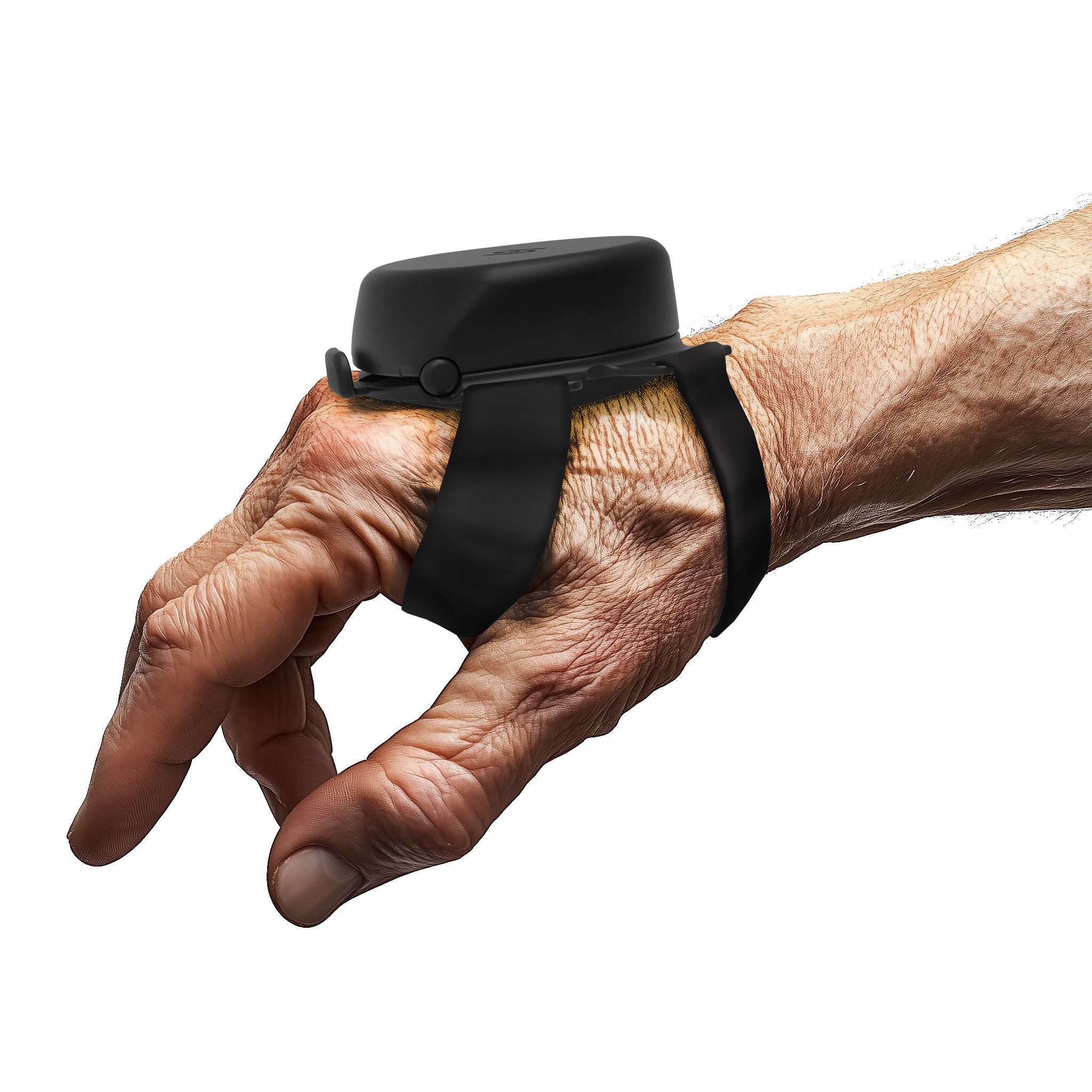
Parkinson's Disease involves a wide range of symptoms, from motor symptoms like hand tremor to non-motor symptoms such as hallucinations and delusions, and each is addressed differently by a care team. The Steadi-3 tremor glove is an FDA-registered Class I medical device that uses passive magnetic stabilization to help reduce hand tremor, one motor symptom that adds daily difficulty. It is battery-free, needs no charging, and requires no prescription. There is no cure for Parkinson's Disease, and psychosis symptoms should be directed to a neurologist, movement disorder specialist, or psychiatrist.
Conclusion
Parkinson's Disease psychosis is a recognized and manageable non-motor symptom, not a sign of a separate mental illness. Gradual hallucinations or delusions are worth raising openly with your care team, since early conversations lead to better adjustments and support. Sudden changes appearing over hours or days deserve prompt medical attention, because they may point to a treatable cause. With clear information and steady communication, patients and caregivers can face these experiences with more confidence and less fear.