
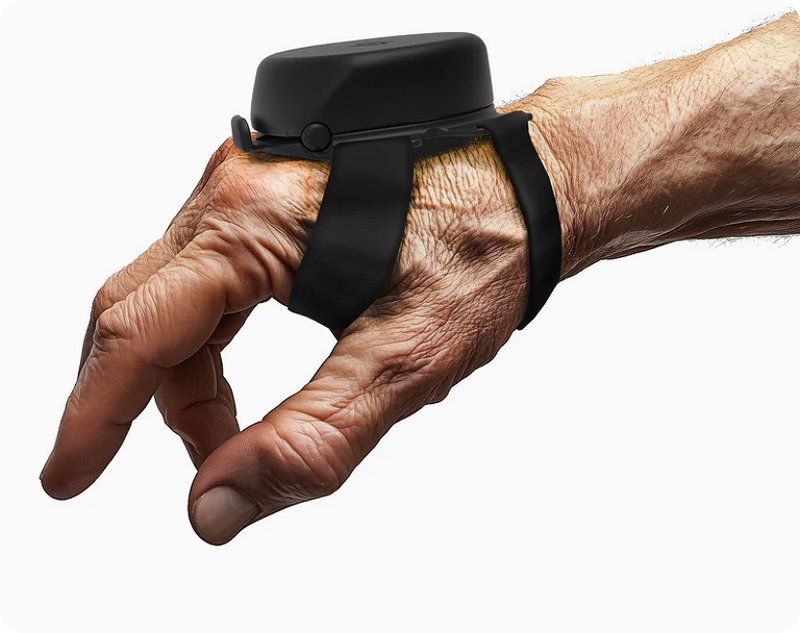

The Short-Term Effect of Alcohol on Essential Tremor
About half of people with Essential Tremor experience noticeable improvement after a small amount of alcohol. Studies show tremor amplitude drops 50 to 70 percent within 15 to 30 minutes, though frequency remains unchanged. This response is so characteristic that neurologists use alcohol responsiveness as a diagnostic signal for Essential Tremor. However, the improvement is partial and temporary — tremor is suppressed, not resolved, and the effect wears off within hours.
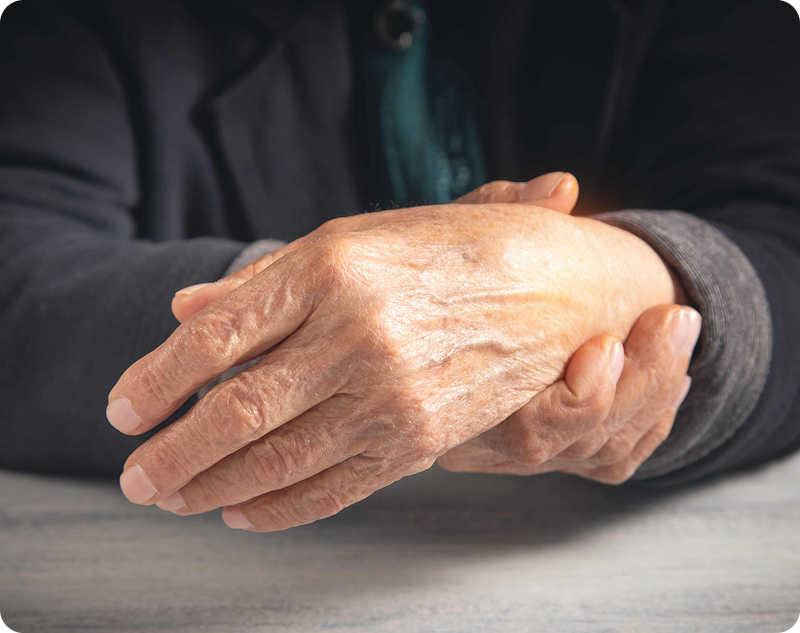
Why Does Alcohol Help Essential Tremor Temporarily?
Ethanol enhances activity at GABA-A receptors in the brain, producing a calming signal that quiets abnormal neural oscillations. Research points to specific cerebellar receptors containing alpha-6 and delta subunits as the likely site of action. These receptors sit on Purkinje cells that regulate the cerebello-thalamo-cortical loop involved in tremor generation. Reduced oscillatory activity along this pathway temporarily dampens shaking. This is not a cure. The suppression wears off as blood alcohol levels drop. Research into drugs that target these receptors without intoxication continues.
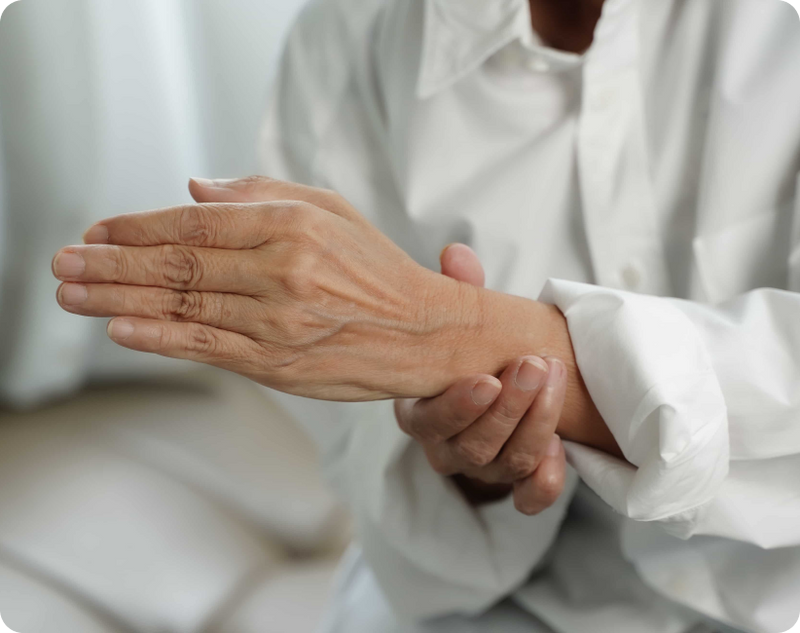
The Rebound Effect: Why Tremor Often Gets Worse Afterward
Tremor suppression from Essential Tremor and alcohol typically lasts two to four hours before wearing off. What many patients do not expect is the rebound: tremor often returns stronger than baseline for hours afterward. The next morning, tremor is commonly reported and frequently described as worse than if the person had not drunk at all. Tolerance builds quickly, meaning the same amount produces less relief over time. Patients describe a recognizable cycle: drink for steady hands at dinner, wake up shaking, consider drinking again.
Alcohol-Responsive ET vs Alcohol-Induced Tremor
Online searches on this topic often return addiction recovery content, which creates confusion. Alcohol-responsive Essential Tremor is a neurological condition where small amounts of alcohol temporarily suppress existing tremor. Alcohol-induced tremor is a separate phenomenon caused by chronic heavy drinking or sudden cessation. Delirium tremens, a medical emergency involving severe withdrawal shaking, is distinct from both. The conditions are frequently conflated online and by non-specialists. Essential Tremor and alcohol responsiveness carry a fundamentally different treatment and risk profile than alcohol withdrawal tremor.
The Long-Term Risks of Using Alcohol to Manage ET
Regular drinking to manage tremor is a documented pathway into alcohol dependence. Clinical literature calls this secondary alcoholism: drinking that begins as symptom relief and becomes its own problem. Research from Columbia University found that three or more drinks daily more than doubles the risk of developing Essential Tremor later in life, with each additional year of this pattern raising risk by roughly 23 percent. Liver, cardiovascular, cognitive, and cancer risks accumulate alongside tolerance. An honest conversation with a neurologist is the safest first step.
Safer Medical Treatments for Essential Tremor
Evidence-based alternatives exist. First-line medications are propranolol, a beta-blocker, and primidone, an anticonvulsant, both supported by neurology guidelines. Second-line options include topiramate, gabapentin, and benzodiazepines in selected cases. Botulinum toxin injections specifically help with voice and head tremor. For medication-resistant Essential Tremor, deep brain stimulation is well-established, and MR-guided focused ultrasound offers an incisionless, FDA-approved alternative. Does alcohol help Essential Tremor in any lasting way? No. Every option listed here provides longer, safer relief than a drink.
Daily-Living Strategies and Assistive Technology
The moments that drive self-medication are specific: eating out, signing documents, and holding a cup in a meeting. Assistive technology addresses these situations directly without the risk of addiction. The Steadi-3 is a battery-free, FDA-registered tremor-stabilizing glove clinically validated to reduce hand tremor during daily activities. It is FSA/HSA eligible. Weighted utensils and adaptive pens support eating and writing. Occupational therapy builds task-specific strategies. A combined approach of medication, assistive technology, and lifestyle management consistently outperforms any single intervention. Visit our caregiver support page for family resources.
Frequently Asked Questions