
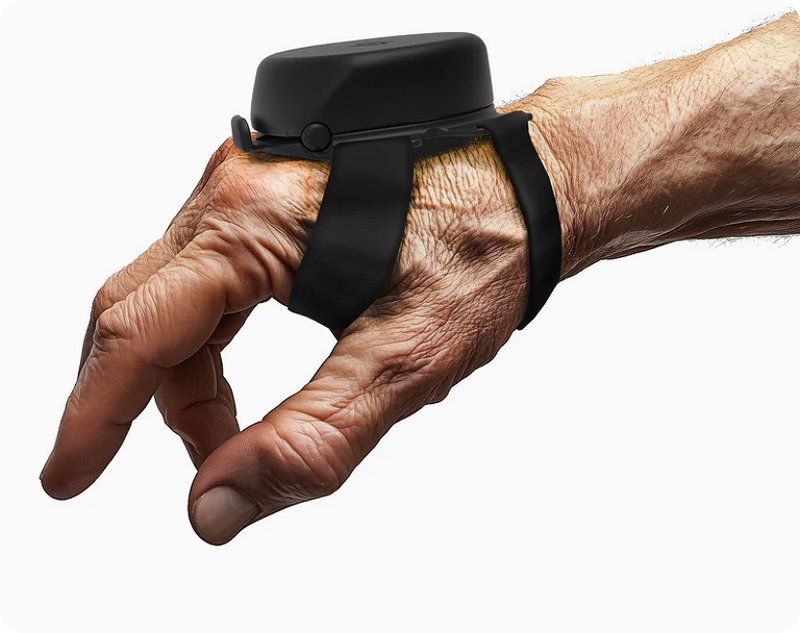

What Are Alcohol Withdrawal Tremors?
Alcohol withdrawal tremors are involuntary shaking triggered by stopping or sharply reducing heavy, prolonged alcohol use. Chronic alcohol suppresses the nervous system by enhancing GABA, the brain's calming signal, while reducing glutamate, an excitatory signal. When alcohol is suddenly removed, the nervous system rebounds into hyperexcitability. Tremor typically begins 6 to 8 hours after the last drink and peaks at 10 to 30 hours. This type of shaking occurs only in people who have developed physical alcohol dependence through sustained heavy consumption.
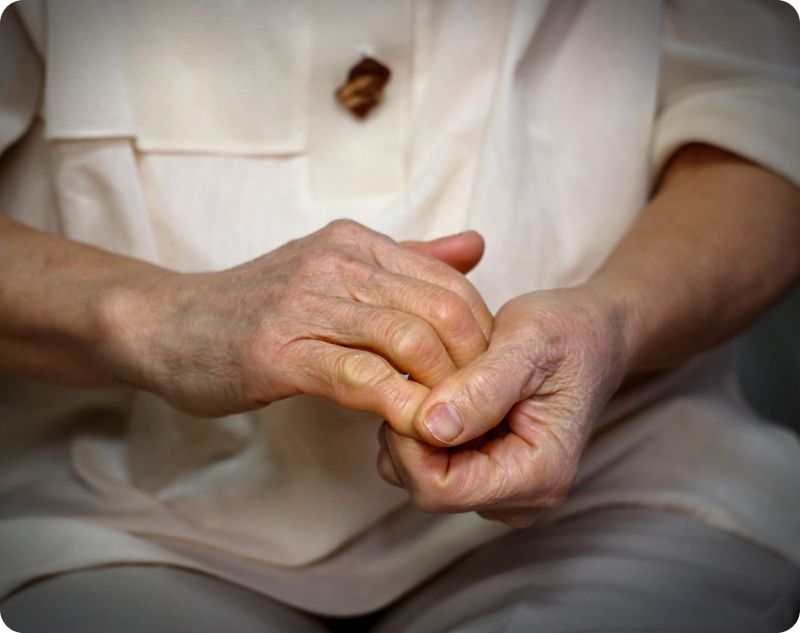
What Is Essential Tremor, and How Is It Different?
Essential Tremor is a chronic, progressive neurological disorder of unknown origin affecting roughly 10 million Americans. It has a strong hereditary component, with approximately 50 percent heritability when a parent carries the condition. Essential Tremor typically presents as an action tremor in the hands during purposeful movement but can also affect the head and voice. Onset is usually gradual, beginning around age 40 to 50, and worsening slowly over the years. It is not caused by alcohol, lifestyle choices, or any external substance.
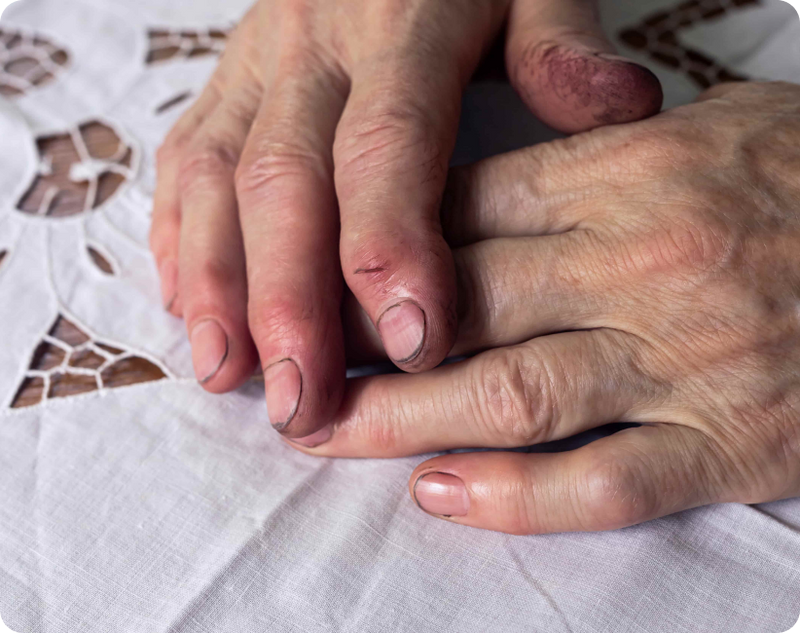
Side by Side: Seven Key Differences Between the Two
The clinical discriminator neurologists rely on is tremor frequency. Alcohol withdrawal tremor is fast, with 74 percent of cases above 8 Hz according to a 1999 classification study. Essential Tremor is always below 8 Hz. Alcohol withdrawal tremor appears hours after the last drink and resolves within days, while Essential Tremor is chronic and lifelong. Family history separates them: roughly 50 percent for Essential Tremor versus near zero for withdrawal tremor. Treatment diverges: benzodiazepines for withdrawal, propranolol and primidone for Essential Tremor.
How Long Do Alcohol Shakes Last, and How Long Does Essential Tremor Last?
Alcohol shakes begin 6 to 8 hours after the last drink, reach peak intensity at 10 to 30 hours, and typically resolve within 40 to 50 hours for uncomplicated withdrawal. Severe withdrawal involving delirium tremens can extend three to seven days and requires medical supervision. Essential Tremor does not resolve. It persists and typically worsens gradually over years or decades. If shaking continues beyond one week of complete abstinence, something other than alcohol withdrawal is likely present and warrants neurological evaluation.
Why Drinking Reduces One Tremor and Causes the Other
The same molecule produces opposite effects depending on the condition. In Essential Tremor, alcohol temporarily boosts inhibitory GABA signaling in the cerebellum, quieting the neural overactivity that drives shaking. In alcohol withdrawal, the brain has already adapted to chronic alcohol by reducing its own GABA receptors. Removing alcohol unmasks the imbalance and causes tremor. This means alcohol responsiveness is actually a diagnostic clue pointing toward Essential Tremor. Neurologists may ask whether tremor improves with a drink specifically to help distinguish between conditions.
When Alcohol Shakes Signal a Medical Emergency
Most alcohol shakes are uncomfortable but not dangerous on their own. Delirium tremens occurs in roughly 5 percent of withdrawing patients, typically 2 to 4 days after the last drink. Warning signs include hallucinations, confusion, racing heart, high blood pressure, and severe sweating. Seizures within the first 24 to 48 hours warrant emergency care. Wernicke-Korsakoff syndrome, caused by thiamine deficiency alongside heavy drinking, adds memory loss and vision changes. Medically supervised detox is safer than stopping abruptly for anyone with sustained heavy use.
Treatment Approaches: What Works for Each
Alcohol withdrawal tremor is managed through medically supervised detox, typically with benzodiazepines as the standard of care, propranolol for residual shaking, and thiamine supplementation. Essential Tremor treatment starts with propranolol and primidone as first-line medications, with deep brain stimulation or MR-guided focused ultrasound for severe cases. The Steadi-3 is a battery-free, FDA-registered wearable glove that is clinically validated to reduce hand tremor without medication or a prescription. It is FSA/HSA eligible. Seek the right specialist: a neurologist for Essential Tremor, an addiction medicine physician for withdrawal.
Frequently Asked Questions
Several conditions produce tremors that resemble Essential Tremor. Parkinson's Disease causes resting tremor accompanied by slowness and stiffness, while Essential Tremor is an action tremor. Hyperthyroidism produces fine, rapid hand shaking alongside weight loss and a rapid heart rate. Drug-induced tremor from lithium, beta-agonists, or certain antidepressants can mimic Essential Tremor closely. Dystonic tremor is irregular and occurs alongside abnormal postures. Alcohol withdrawal tremor is faster in frequency, limited to the hands, and triggered specifically by stopping heavy drinking. A neurologist can sort these apart.