
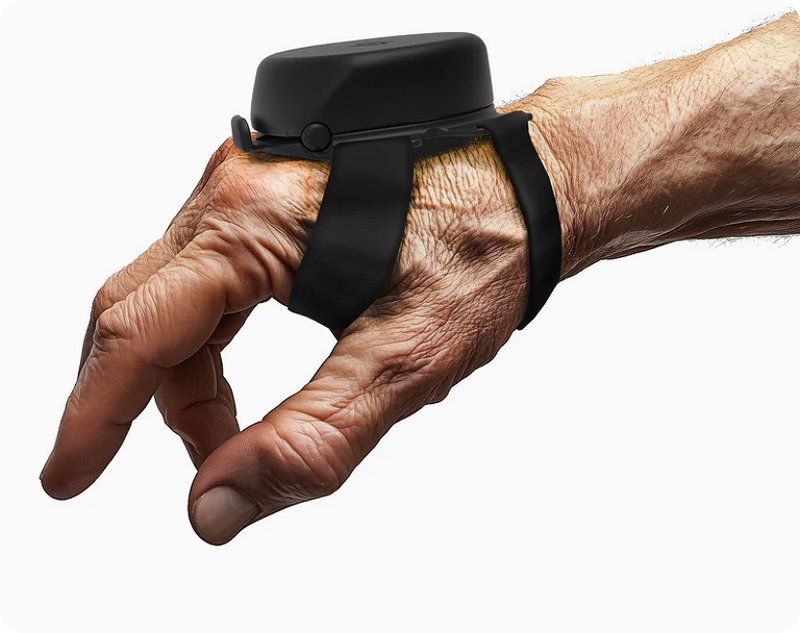

How Essential Tremor and Parkinson's Differ
Essential Tremor and Parkinson's Disease are separate conditions with distinct patterns. Essential Tremor is an action tremor that emerges during movement, often affecting the hands, head, and voice. Parkinson's Disease tremor appears at rest and is usually accompanied by bradykinesia, rigidity, and gait changes that Essential Tremor does not produce. Essential Tremor is roughly eight times more common, frequently runs in families, and may temporarily improve with alcohol. Parkinson's Disease does not share these features.
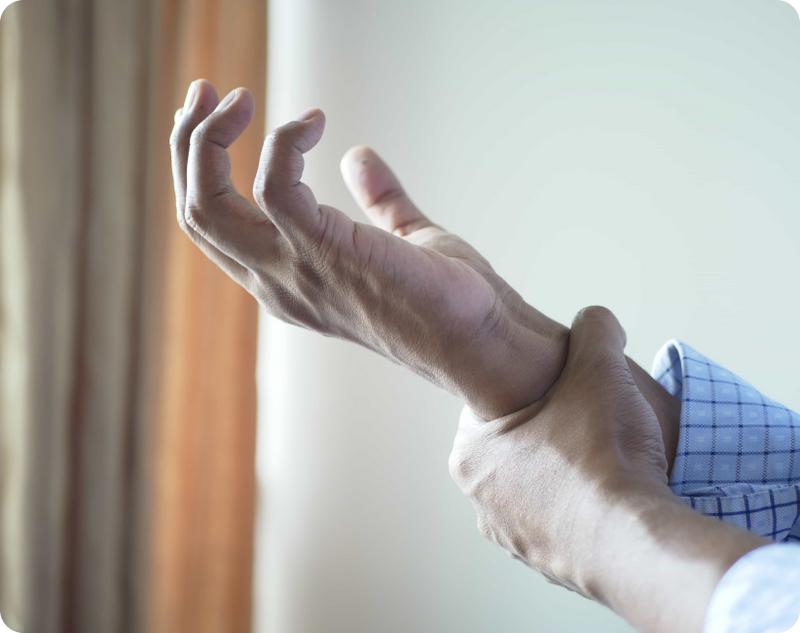
Can Essential Tremor Progress Into Parkinson's Disease?
Some studies suggest that people with Essential Tremor face a modestly higher risk of developing Parkinson's than the general population. Researchers have identified Lewy body pathology in a subset of ET brains, pointing to possible shared neurodegenerative pathways — though this remains an area of active scientific debate. However, increased risk does not mean inevitable progression. The large majority of people with Essential Tremor never develop Parkinson's Disease, though an elevated statistical risk should prompt monitoring.
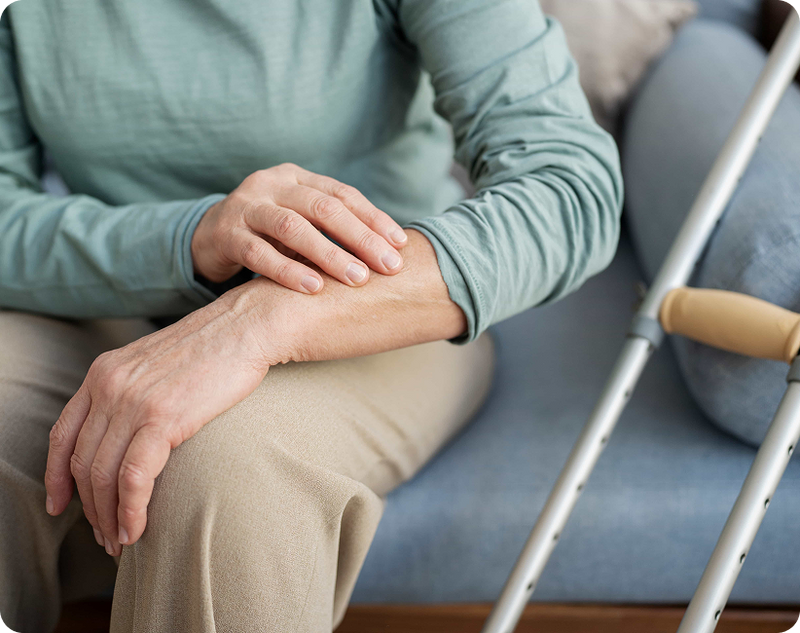
What Research Reveals About ET to Parkinson's Conversion Rates
The most-cited recent figure comes from a 2023 prospective study by Louis and colleagues, which followed 193 patients with Essential Tremor for an average of 4.1 years. Roughly 3.6 percent converted to a combined ET and Parkinson's diagnosis during that period. Earlier epidemiological research suggested a four- to fivefold increase in risk, but newer data indicate lower absolute conversion rates. Essential Tremor progression to Parkinson's remains uncommon enough that these numbers support monitoring rather than panic.
Can You Have Both Essential Tremor and Parkinson's at the Same Time?
Yes, the two conditions can coexist in the same person. Researchers refer to this combined presentation as ET plus PD, or the ET-to-PD transition. Patients with both Essential Tremor and Parkinson's often have a stronger family history of tremor and tend to develop tremor-dominant Parkinson's rather than the rigidity-dominant form. The practical implication is significant: coexistence requires treatment strategies that address both action tremor during daily tasks and resting tremor. Accurate diagnosis guides which medications and assistive approaches will help most.
Warning Signs That May Signal a Change
If you have Essential Tremor, certain new symptoms warrant prompt evaluation. Watch for a resting tremor that was previously only an action tremor. Note any slowness of movement or stiffness not explained by aging or injury. Pay attention to tremor developing or worsening on one side. Changes in gait, shuffling steps, or a newly stooped posture are concerning. A re-emergent tremor after holding a limb still for several seconds can mimic Essential Tremor, but may indicate Parkinson's. Report these to your neurologist.
How Essential Tremor and Parkinson's Are Diagnosed
Diagnosis for both conditions rests on clinical examination, medical history, and family history rather than a single definitive test. No biomarker reliably separates Essential Tremor from Parkinson's in every case. When the clinical picture is unclear, a DaTscan can detect reduced dopamine neuron activity, suggesting Parkinson's rather than Essential Tremor. Movement disorder specialists are best equipped to evaluate borderline presentations where early Parkinson's can closely resemble worsening Essential Tremor. Diagnostic overlap makes experienced clinical judgment essential.
Treatment Approaches for Essential Tremor vs Parkinson's
Essential Tremor is typically managed with propranolol or primidone as first-line medications, with botulinum toxin for targeted relief. Parkinson's treatment centers on carbidopa and levodopa alongside dopamine agonists. Both conditions may qualify for deep-brain stimulation or focused ultrasound when tremor becomes severely disabling. The Steadi-3 is a battery-free, FDA-registered glove that reduces hand tremor in both conditions, offers daily functional improvement, and is FSA/HSA-eligible. Caregivers can find support at our caregiver resource page.
Frequently Asked Questions