

Our awards

Baylis Medical People’s Choice Award

National Ideathon Competition Winner

Grandmothers’ Choice Award

Accessibility Tech Pitch Competition

The Chrysalis Innovation Challenge
What is Steadi-3 Plus?
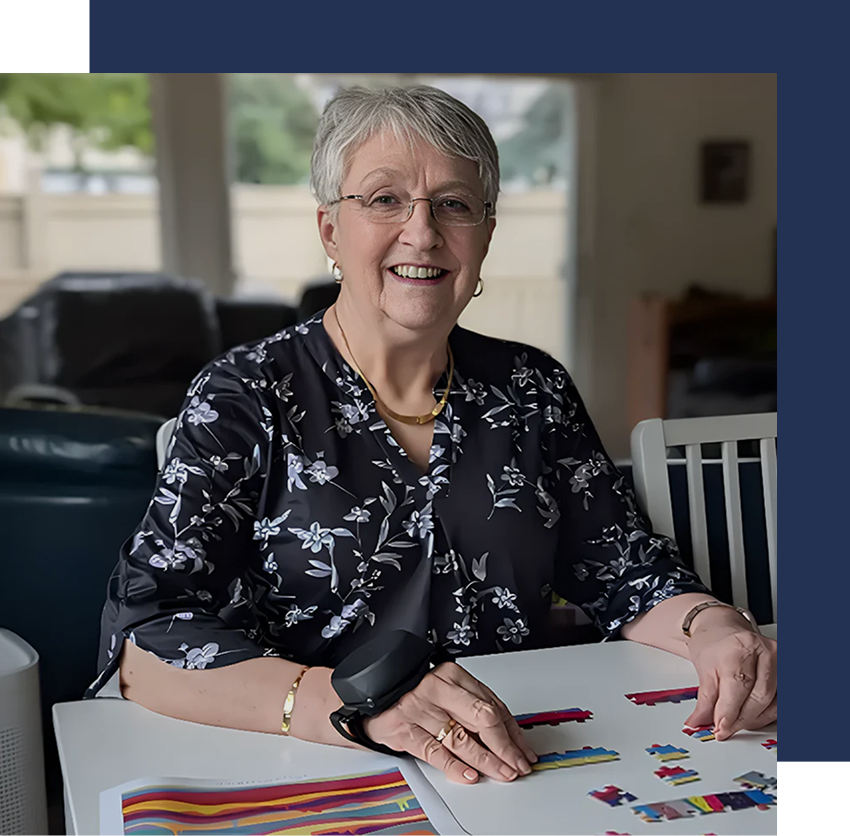
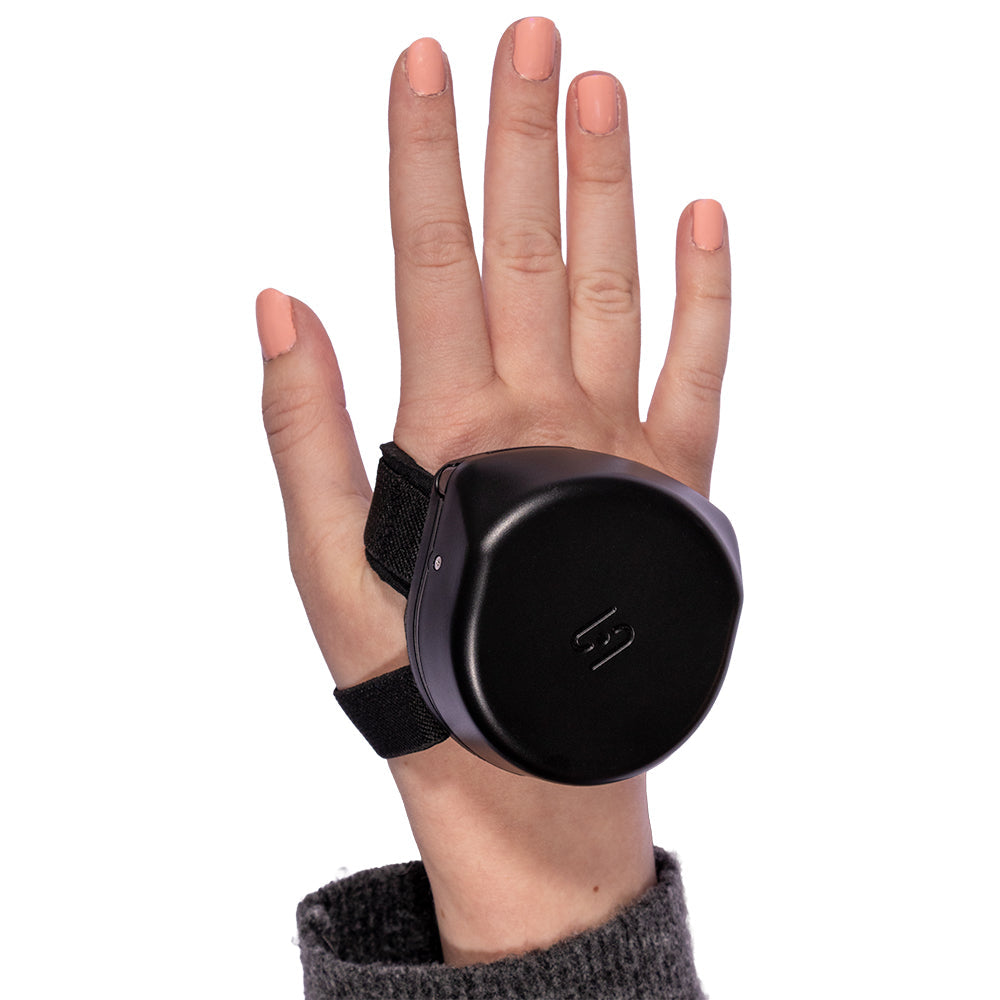
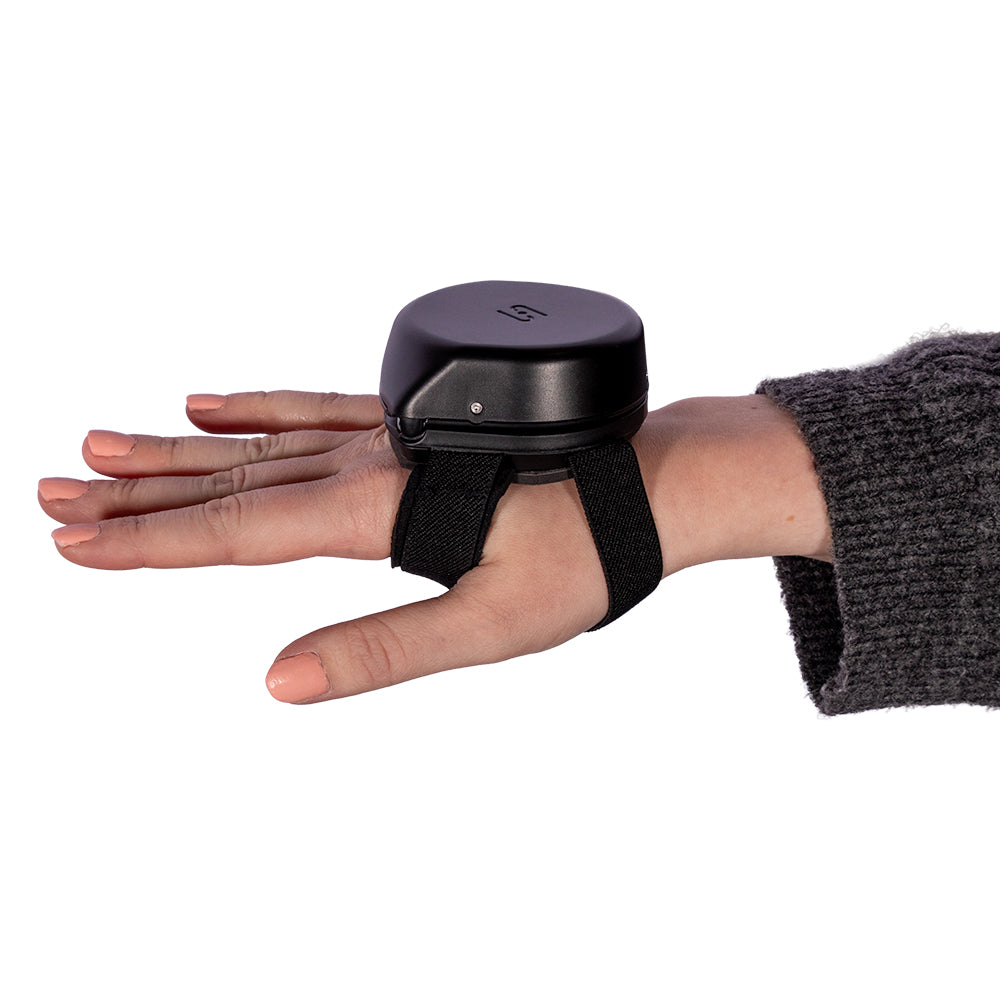
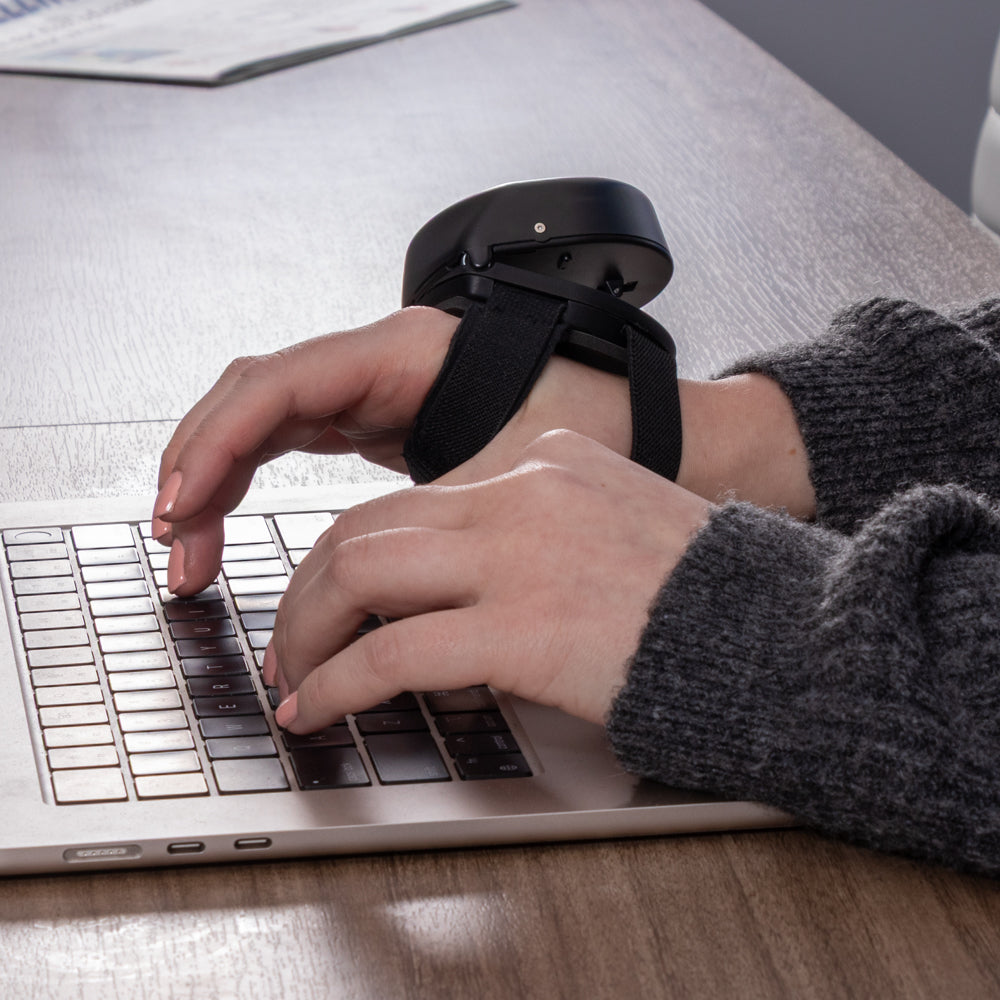
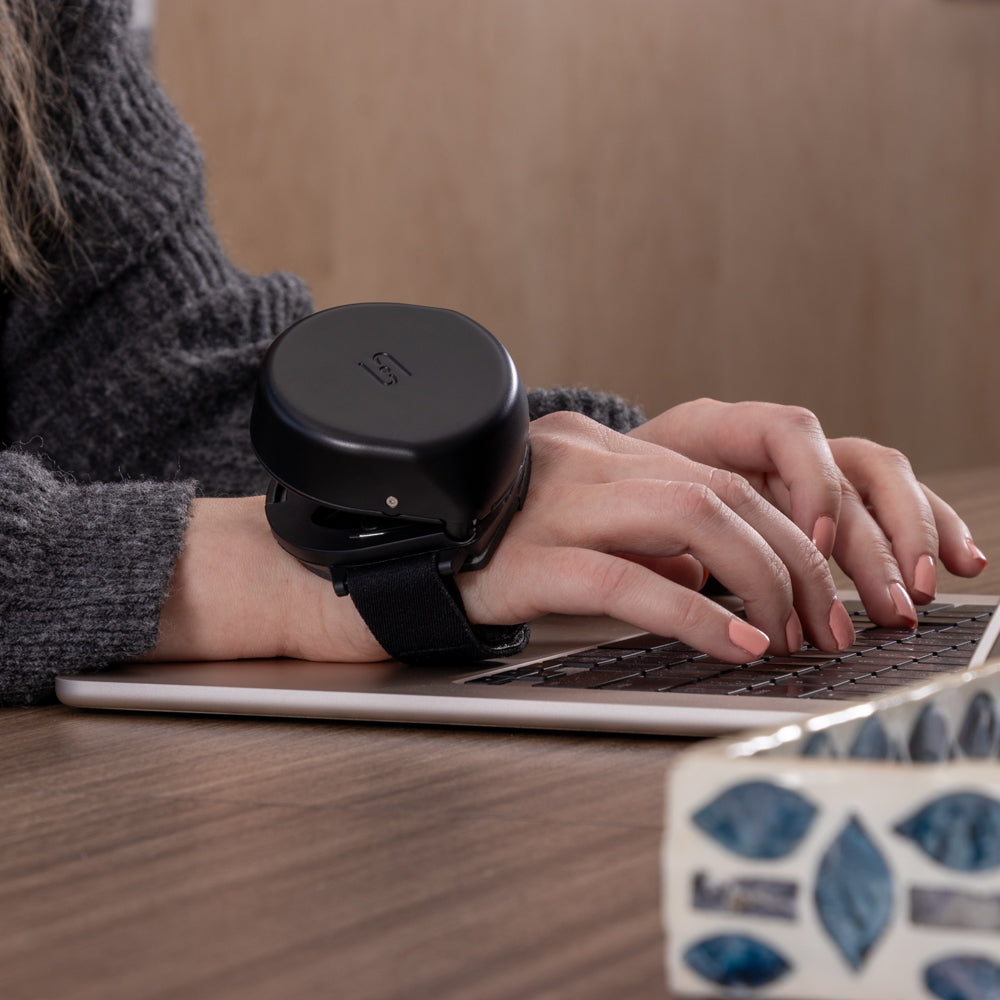
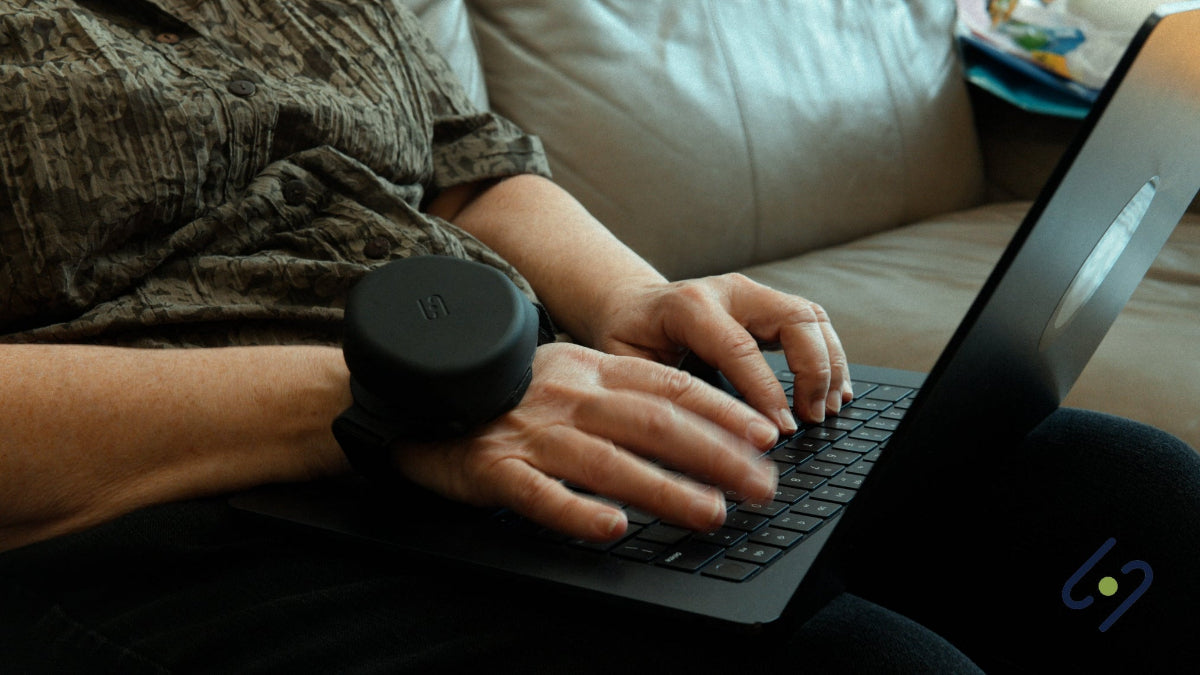
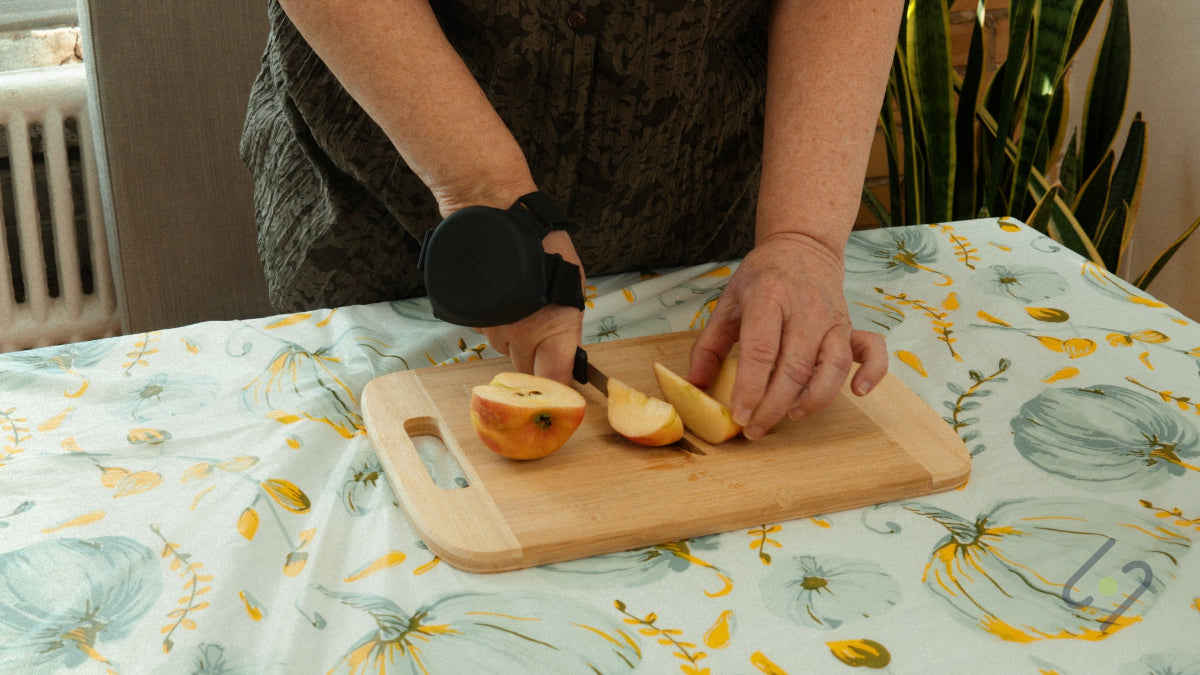
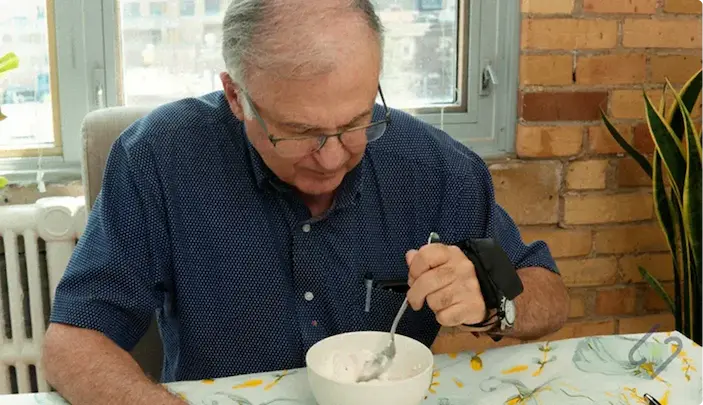
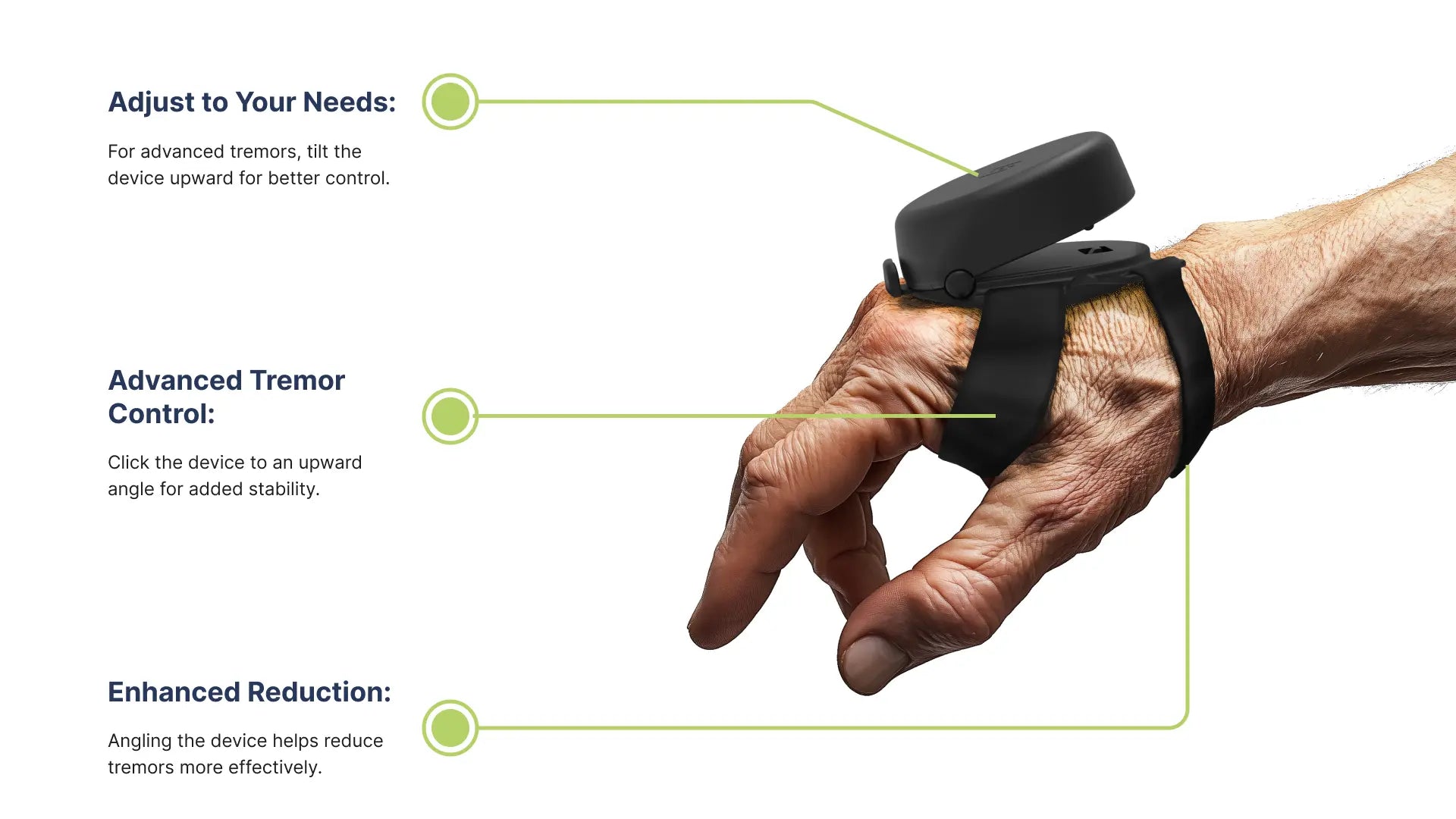
The Steadi-3 Plus is a revolutionary assistive device that reduces hand tremor. It is based on proven magnetic vibration absorber technology to stabilize buildings against earthquakes. Like a see-saw you’d see in a park, the vibration disk moves in the opposite direction to your tremor, providing stability.
Benefits of the Steadi-3 Plus







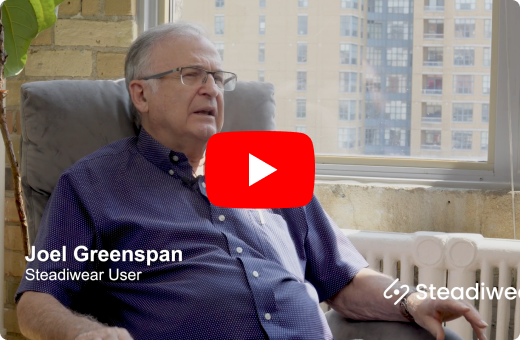
Testimonials
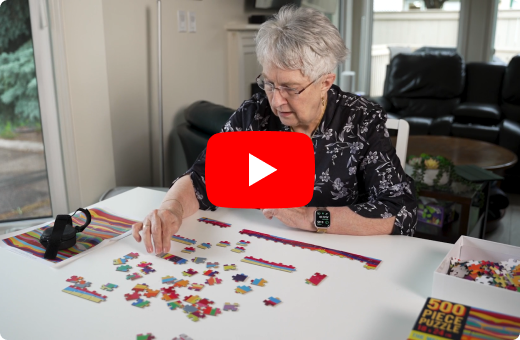

Our evidence from the validation study
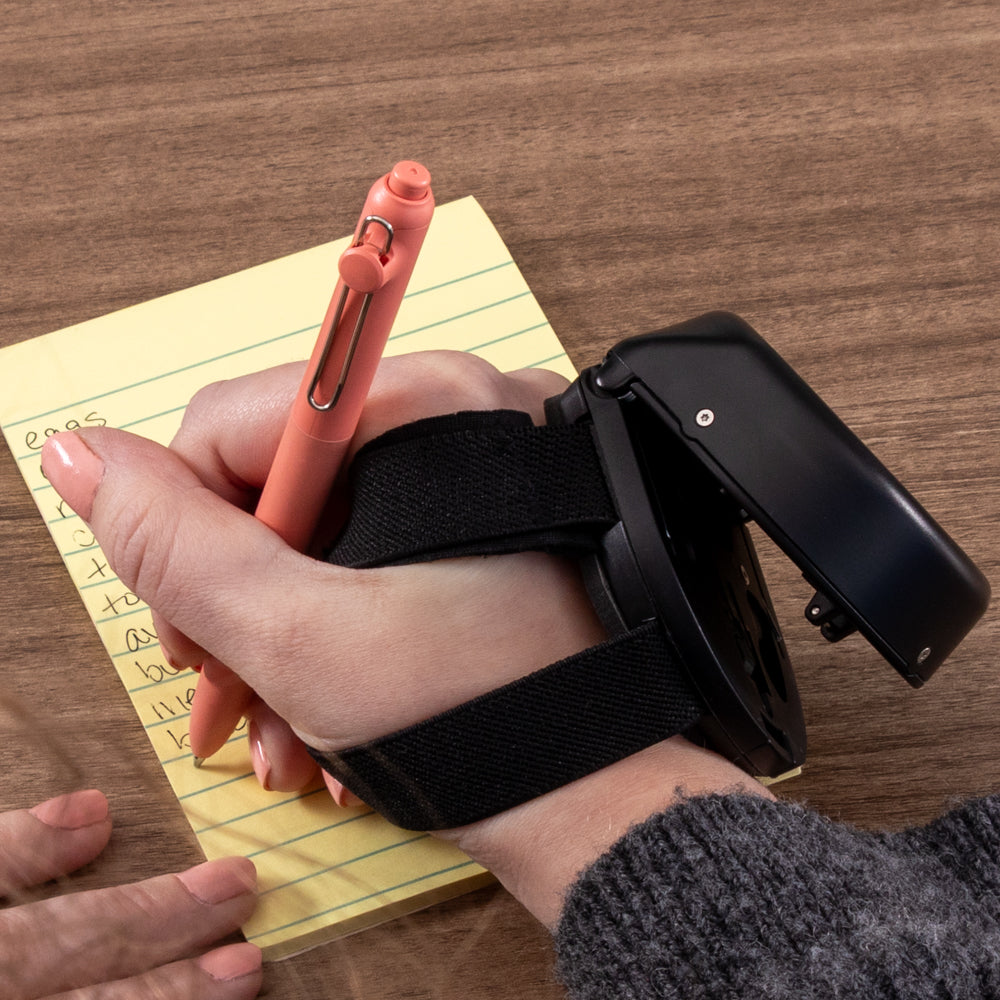
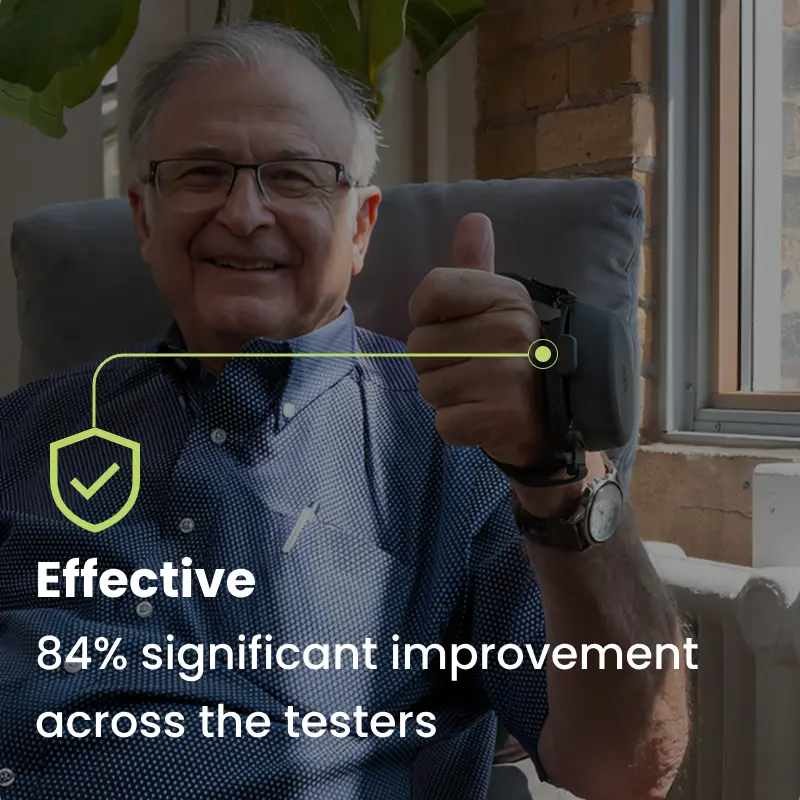
These functional gains were most evident during real-life tasks like drinking and writing. Complementing these findings, 84% of users reported a meaningful reduction in tremor severity after just one week of using our assistive device for hand tremors, with no adverse effects noted.

In controlled evaluations, 80% of participants demonstrated improved tremor control with the Steadi-3 Plus compared to no device, and 70% showed improvement over placebo, as measured by blinded neurologist assessments.
Compare Before You Choose: Steadiwear vs. Other Solutions
We’ve broken down the pros and cons of Steadiwear compared to common alternatives — so you can make the best choice for your needs.


Practical Tips for Helping a Loved One with Tremors
Caring for someone with Essential Tremor or Parkinson’s Disease often involves small, thoughtful adjustments that can make everyday activities more manageable. While tremors affect everyone differently, the strategies below are commonly helpful for caregivers navigating daily routines.
Mealtimes
Tremors can make eating and drinking frustrating and messy.
- Use weighted utensils, non-slip placemats, and cups with lids or straws to reduce spills
- Serve foods that are easier to scoop or spear
- Assistive devices such as the Steadi-3 Plus anti-tremor glove may help your loved one eat more independently by reducing hand shaking during meals
Whenever possible, allow your loved one to eat at their own pace without rushing.
Dressing
Getting dressed can take longer when tremors are present.
- Choose clothing with Velcro fasteners, elastic waistbands, or magnetic buttons
- Lay clothes out in advance to simplify choices
- Offer help when needed, but avoid taking over unless asked
Patience and flexibility can reduce stress for both of you.
Writing and Technology
Communication and connection remain important aspects of daily life for individuals living with tremors.
- Use thick-grip pens, weighted pens, or pen grips
- Tablets with styluses or voice-activated technology can reduce reliance on fine motor control
- Adjust phone and tablet settings for accessibility, such as larger text or voice dictation
These tools can help your loved one stay engaged with family, friends, and daily tasks.
Safety at Home
Tremors can sometimes affect coordination and balance.
- Install grab bars in bathrooms
- Remove loose rugs and clutter that could cause trips
- Ensure hallways and rooms are well-lit
Simple home modifications can lower fall risk and make daily movement safer.
Medications
Many people with tremors rely on medication as part of their care plan.
- Help track medication schedules and refills
- Observe how long each dose provides symptom relief
- Share patterns or changes with their healthcare provider
Accurate observations from caregivers can be valuable during medical appointments.
Emotional Support
Living with tremors can lead to frustration or self-consciousness.
- Offer reassurance and understanding during difficult moments
- Adapt routines together rather than forcing change
- Acknowledge progress, even when improvements are small
Your support can help reduce emotional strain over time.
Introducing New Tools and Assistive Devices
If you’re considering assistive tools:
- Involve your loved one in the decision-making process
- Introduce new devices gradually and without pressure
- Focus on how a tool supports daily activities rather than what it replaces
For example, the Steadi-3 Plus is designed for everyday use and includes a 30-day return policy, giving caregivers and users time to see whether it fits their needs.
Emotional Support and Communication for Caregivers
Caring for someone with tremor involves more than physical support, as the emotional impact of Essential Tremor can meaningfully affect daily life. Tremors may lead to frustration, social withdrawal, or hesitation in everyday situations. Providing caregiver support for Essential Tremor requires patience, clear communication, and encouragement without taking over tasks. Supporting independence helps individuals stay engaged in their routines and decisions.
Caregivers should also prioritize their own well-being by taking breaks and staying connected with others. If emotional challenges increase, professional guidance may be helpful. Joining an Essential Tremor support group can provide shared experiences, practical advice, and a sense of connection for both caregivers and individuals living with tremor.
Frequently Asked Questions
Focus on tools and adaptations that help your loved one continue doing things themselves, rather than doing everything for them. Assistive devices like the Steadi-3 Plus tremor glove may help with activities such as eating, drinking, and writing by reducing hand shaking. Weighted utensils, adaptive clothing, and voice-activated technology can also support daily independence. The goal is to enable participation and choice, not to take control away.
The Steadi-3 Plus anti-tremor glove can help reduce the day-to-day demands placed on caregivers by supporting greater independence for individuals living with Essential Tremor or Parkinson’s Disease. By reducing hand tremors during tasks like eating, writing, and personal care, Steadi-3 Plus may lessen the need for hands-on assistance. This can make daily routines smoother and more predictable for both the caregiver and the user. As a non-invasive, battery-free medical device, Steadi-3 Plus is easy to use and does not require technical setup, which helps simplify care routines.
Yes, Steadi-3 Plus is designed to be simple for both users and caregivers. The glove features universal sizing, adjustable straps, and does not require charging, calibration, or software. Caregivers can help fit the glove in just a few minutes, and once worn, the glove is designed to respond to tremor activity without requiring manual adjustments, based on its mechanical design. Routine maintenance is minimal, with the primary maintenance consideration being strap replacement, which may be needed approximately every six months with regular use. This straightforward design helps caregivers focus on support and connection rather than managing complex equipment or ongoing maintenance.
Steadi-3 Plus is intended to complement existing treatment plans for Essential Tremor or Parkinson’s Disease, not replace them. Many caregivers support individuals who use medications, occupational therapy, or other interventions as part of their care. Steadi-3 Plus can be used during specific daily activities where tremors are most challenging, providing additional functional support. Caregivers are encouraged to discuss the use of Steadi-3 Plus with the individual’s healthcare provider to ensure it fits appropriately within their overall care plan and addresses specific daily needs safely and effectively.