
Depression in Parkinson's Disease: Causes, Symptoms, and Treatment
Depression in Parkinson's Disease is a recognized neurological symptom, not only an emotional response to diagnosis. This page covers its causes, symptoms, treatment options, and mental health support strategies available at every stage of the condition.

Depression as a Neurological Symptom of Parkinson's Disease
Depression in Parkinson's Disease is a recognized nonmotor symptom caused by changes in brain chemistry, not only a psychological response to diagnosis. Parkinson's Disease affects the same pathways that regulate dopamine, serotonin, and norepinephrine, neurotransmitters that control both movement and mood. Research suggests depression can begin years before a motor diagnosis, and up to 50% of people with Parkinson's Disease experience some form of it (Parkinson's Foundation). There is no cure for Parkinson's Disease; a movement disorder specialist or psychiatrist can guide evaluation and treatment.
Recognizing the Symptoms of Depression in Parkinson's Disease
Common symptoms of depression in Parkinson's Disease include persistent sadness, loss of interest in previously enjoyed activities, irritability, sleep disturbance, and difficulty concentrating. It can be harder to identify because some symptoms overlap with motor symptoms, including slowed movement and reduced facial expression. Depression is distinct from apathy, though both can occur together. Suicidal thoughts, if present, require immediate contact with a healthcare provider or the 988 Suicide and Crisis Lifeline, available 24/7 by call or text. Formal screening by a movement disorder specialist is the appropriate path forward.

Parkinson's Disease Depression Treatment Options
Parkinson's Disease depression treatment typically involves antidepressants, psychotherapy, or a combination of both. Antidepressants for Parkinson's Disease include SSRIs such as sertraline and SNRIs such as venlafaxine, though no medication is specifically approved for depression in PD; choices should be made with a movement disorder specialist or psychiatrist. Cognitive behavioral therapy is effective alongside or instead of medication. Transcranial Magnetic Stimulation is FDA-approved for depression and has been shown safe and effective for people with Parkinson's Disease (Parkinson's Foundation). A multidisciplinary care team offers the most comprehensive path.
Apathy in Parkinson's Disease: How It Differs From Depression
Apathy in Parkinson's Disease involves reduced motivation and emotional flatness, without the persistent sadness or hopelessness that define depression. The two can co-occur but stem from different neurochemical mechanisms; apathy is linked primarily to dopamine pathway changes, while depression also involves serotonin and norepinephrine disruption. Caregivers often notice apathy before the person with Parkinson's Disease does, since it can look like passivity rather than visible distress. Because the two conditions can resemble each other, only a qualified clinician, ideally a movement disorder specialist, can reliably tell them apart and guide treatment.

Parkinson's Disease and Anxiety: A Related Mental Health Concern
Parkinson's Disease and anxiety frequently occur together; research suggests up to 40% of people with PD experience anxiety symptoms at some point. It can take the form of generalized anxiety disorder, panic attacks, or social phobia, and is rooted in neurochemical changes rather than only situational stress. Anxiety often spikes during medication off periods, when dopamine levels drop between doses, so tracking symptom timing helps providers adjust schedules. Treatment may include SSRIs, SNRIs, and psychotherapy as part of comprehensive mental health support for Parkinson's Disease.
How Functional Independence Supports Mental Health in Parkinson's Disease
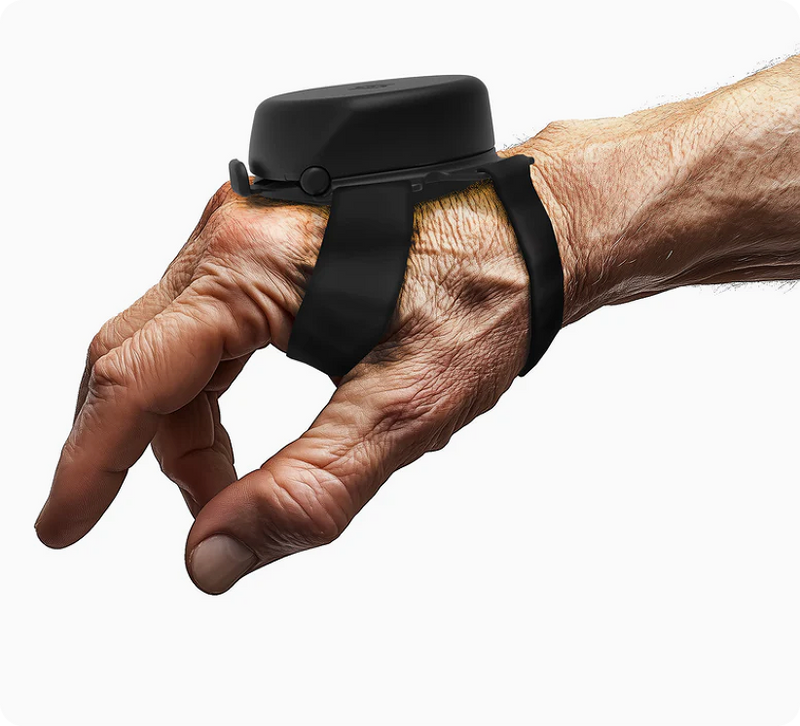
Loss of functional independence is consistently associated with increased depression severity in Parkinson's Disease, so preserving the ability to perform daily tasks is part of a comprehensive mental health strategy. Assistive tools that address hand tremor can help maintain control over tasks like eating and writing. The Steadi-3 is an FDA-registered Class I medical device using passive magnetic stabilization, battery-free and prescription-free, validated to reduce tremor in 84% of users in a placebo-controlled study. It does not treat depression itself; it supports physical function alongside medical and mental health care.
Supporting a Loved One With Parkinson's Disease Depression
Care partners of people with Parkinson's Disease are themselves at elevated risk for depression, and the emotional demands of caregiving require active attention to their own wellbeing. Recognizing depression in a loved one can be difficult, since mood changes are sometimes attributed to the disease itself rather than identified as treatable. Encouraging open conversations with a movement disorder specialist is one of the most constructive steps a caregiver can take. Support groups through the Parkinson's Foundation and Michael J. Fox Foundation, and the Parkinson's Foundation Helpline (1-800-4PD-INFO), connect both patients and care partners with mental health resources.
Frequently Asked Questions
Is depression a symptom of Parkinson's Disease?
Yes, depression in Parkinson's Disease is a recognized neurological symptom, not only a psychological reaction to diagnosis. It is caused by changes in the brain pathways that regulate dopamine, serotonin, and norepinephrine. Up to 50% of people with Parkinson's Disease will experience some form of depression (Parkinson's Foundation), and it may begin years before motor symptoms appear. A movement disorder specialist can evaluate and treat it as part of comprehensive care.
How is depression treated in Parkinson's Disease?
Parkinson's Disease depression treatment includes antidepressants, most commonly SSRIs and SNRIs, psychotherapy such as cognitive behavioral therapy, and in some cases Transcranial Magnetic Stimulation, which is FDA-approved and has been found safe and effective for people with Parkinson's Disease. No antidepressant is specifically approved for depression in PD; all medication decisions should be made with a movement disorder specialist or psychiatrist. Most depression in Parkinson's Disease is treatable with the right approach.
What is the difference between apathy and depression in Parkinson's Disease?
Apathy involves reduced motivation and emotional flatness without the sadness or hopelessness that characterize depression. Both can occur simultaneously in Parkinson's Disease but have different neurochemical mechanisms and require different treatments. Apathy is primarily linked to dopamine pathway disruption, while depression also involves serotonin and norepinephrine changes. Only a qualified clinician, ideally a movement disorder specialist or neuropsychiatrist, can reliably distinguish between the two and recommend the right treatment plan.
Can Parkinson's Disease cause anxiety?
Yes, Parkinson's Disease and anxiety are frequently linked; up to 40% of people with PD experience anxiety symptoms at some point. Anxiety has a neurochemical basis related to the same pathway changes that cause depression and motor symptoms. It often worsens during medication off periods, and tracking when symptoms peak can help providers optimize schedules. Treatment may include SSRIs, SNRIs, and psychotherapy alongside movement disorder management.
What causes depression in Parkinson's Disease?
Depression in Parkinson's Disease is caused by changes in brain chemistry, specifically the disruption of dopamine, serotonin, and norepinephrine pathways that regulate both movement and mood. Chronic stress from living with a progressive condition can also contribute for some people. Certain Parkinson's medications may cause side effects that mimic or worsen depression, which a movement disorder specialist can assess. Depression in PD is a medical condition requiring clinical evaluation, not a personal failing.