How to Choose Anti-Tremor Gloves
Anti-tremor gloves are not all built the same: technology, condition compatibility, and clinical evidence determine which device fits a given patient. This page gives readers a practical framework for evaluating their options across the criteria that matter most, from tremor type and power source to clinical validation and fit. Several excellent options exist; exploring the Steadi-3 is one worthwhile starting point.

Understanding how tremor reduction technology works
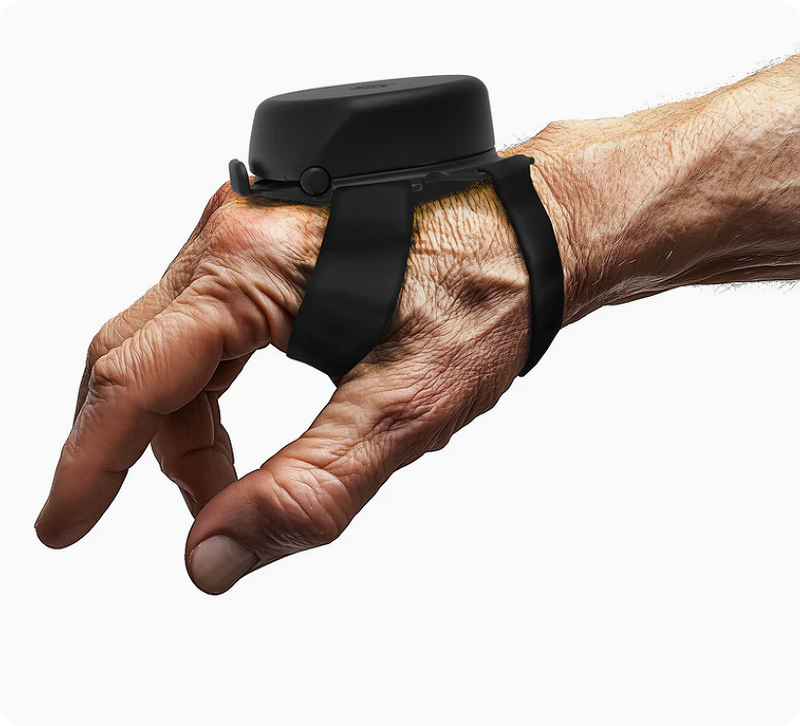
Anti-tremor gloves fall into two broad categories: passive mechanical devices, which require no battery and use physics to counteract tremor energy, and active devices, which are battery-powered and use gyroscopes or electrical stimulation. Passive magnetic stabilization, as used in the Steadi-3, works by absorbing and dissipating tremor energy through a tuned internal mechanism without motors or charging. Active devices like gyroscopic gloves generate a counterforce in real time but require battery management. Neither category is inherently superior; the right choice depends on tremor type, severity, and daily lifestyle. The Steadi-3 uses passive magnetic stabilization, not added weight.
Matching the glove to your tremor type and condition
Essential Tremor typically causes action and postural tremor, shaking during movement and while holding a position. Parkinson's Disease more often causes resting tremor, shaking when the hand is still. Not all gloves are designed for both conditions: the Steadi-3 is designed for both Essential Tremor and Parkinson's Disease. Tremor severity also matters: mild, moderate, and severe tremor may respond differently to passive versus active devices. Consulting a neurologist or occupational therapist before purchase helps narrow the field to devices appropriate for the reader's specific tremor profile. No anti-tremor glove is a cure for Essential Tremor or Parkinson's Disease; they are management tools.

Why clinical evidence matters when evaluating gloves for hand tremors
The strength of clinical evidence varies significantly across anti-tremor gloves: some have independently evaluated placebo-controlled studies; others cite internal testing only. In a placebo-controlled study, 84% of users showed improved tremor control with the Steadi-3, assessed by blinded neurologists who did not know which device participants were wearing. FDA registration as a Class I medical device confirms manufacturing compliance; it does not constitute an FDA review of efficacy claims. Ask three questions before trusting any efficacy claim: Was the study placebo-controlled? Were assessors blinded? Was the study conducted independently or by the manufacturer? No anti-tremor glove eliminates tremors; evidence measures reduction, not cure.
Prescription requirements, battery life, and daily wearability
Some devices, including electrical stimulation options, require a physician prescription before use; others can be purchased directly. The Steadi-3 requires no prescription and no battery management, and can be worn throughout the day without interruption for charging. Battery-powered gloves typically offer 4 to 8 hours of continuous use per charge; users who need all-day stability should factor in recharging windows. Device weight and form factor affect comfort over extended wear: gloves, forearm sleeves, and wrist-worn devices each have different usability profiles.

Comparing gloves for Parkinson's tremors and Essential Tremor across key criteria
Six criteria matter most when comparing tremor reduction gloves: technology type (passive versus active), condition compatibility (Essential Tremor only versus Essential Tremor and Parkinson's Disease), clinical evidence quality, power source, device weight, and return or trial policy. The Steadi-3 is compatible with both Essential Tremor and Parkinson's Disease; some devices in this category are designed for Essential Tremor only. Return windows vary: the Steadi-3 offers a 30-day risk-free trial; confirm trial policies for any device before purchasing. Weight is a practical differentiator: lighter devices reduce fatigue during extended wear. Individual response varies based on tremor frequency, severity, and hand anatomy.
What to look for in terms of fit, comfort, and long-term use
Fit affects function: a glove that shifts during use provides inconsistent tremor stabilization; look for secure, adjustable closures. The Steadi-3 Plus features adjustable neoprene foam straps that are replaceable without replacing the whole device, reducing long-term ownership cost. Breathable materials and an ergonomic glove form support extended daily wear without causing skin irritation or hand fatigue. Universal sizing with left/right-hand availability ensures the reader can find a fit regardless of which hand is more affected. Battery-free passive devices have fewer components to maintain or service over time.
How to use FSA and HSA funds to pay for an anti-tremor glove
The Steadi-3 is an FDA-registered Class I medical device, which may make it eligible for purchase using FSA or HSA funds when a healthcare provider recommends it for managing a diagnosed condition. A Letter of Medical Necessity from a physician supports the FSA/HSA reimbursement claim; Steadiwear provides a downloadable template. Readers should confirm eligibility with their FSA or HSA administrator before purchasing, as plan rules vary. Financing through Affirm is also available for readers who prefer to spread the cost over time. For detailed guidance on documentation and eligibility, visit the FSA/HSA eligibility page.
Frequently Asked Questions
What is the difference between an anti-tremor glove and a weighted glove?
Weighted gloves add mass to the hand to increase inertia and slow tremor movement; they are a distinct category from devices using mechanical or magnetic stabilization. The Steadi-3 is not a weighted glove; it uses passive magnetic stabilization technology to absorb and counteract tremor energy through an engineered internal mechanism. The mechanism determines the use case, comfort profile, and likely effectiveness for a given tremor type. Readers comparing options should confirm the technology behind any device before purchasing. There is currently no cure for Essential Tremor or Parkinson's Disease; all devices in this category are management tools.
Do anti-tremor gloves work for both Essential Tremor and Parkinson's Disease?
Not all anti-tremor gloves are designed for both conditions; some devices target Essential Tremor action and postural tremor only. The Steadi-3 is designed for use with both Essential Tremor and Parkinson's Disease. Parkinson's Disease involves resting tremor in addition to action tremor; a device's mechanism should be evaluated for the tremor type the patient experiences most. A neurologist or movement disorder specialist can help determine which device type is appropriate for a specific patient's tremor profile. Neither Essential Tremor nor Parkinson's Disease has a cure; anti-tremor devices are management tools, not treatments.
Do I need a prescription to buy an anti-tremor glove?
The Steadi-3 does not require a prescription and can be purchased directly; consulting a healthcare provider before use is always recommended. Electrical stimulation devices, such as wrist-worn neuromodulation therapy options, typically require a physician referral, clinical evaluation, and prescription before access. Readers who want to begin managing tremors without a prescription intake process may prefer a passive mechanical device. An occupational therapist can help assess which device type best supports specific daily activities, even without a formal prescription requirement. Verify prescription status for any device being evaluated before assuming over-the-counter availability.
Can I use my FSA or HSA to buy an anti-tremor glove?
The Steadi-3 is an FDA-registered Class I medical device; users may be able to use FSA or HSA funds to purchase it when a healthcare provider recommends it for managing a diagnosed condition. A Letter of Medical Necessity from a physician is typically required to support the claim; Steadiwear provides a downloadable template on its FSA/HSA eligibility page. Eligibility rules vary by plan; readers should confirm with their FSA or HSA administrator before purchasing. Financing through Affirm is also available for readers who prefer installment payments.
How do I know if an anti-tremor glove is clinically validated?
Look for three markers of meaningful clinical validation: a placebo-controlled study design, blinded assessment where evaluators did not know which condition participants were in, and independent evaluation rather than internal manufacturer testing alone. The Steadi-3 has been evaluated in a placebo-controlled study in which 84% of users showed improved tremor control, assessed by neurologists blinded to device condition. FDA registration as a Class I device confirms manufacturing compliance, not efficacy; evaluate clinical evidence separately from regulatory status.