How Tremors Affect Family Life: A Guide for Caregivers and Loved Ones
How tremors affect family life extends well beyond the person with the diagnosis; spouses, children, and other family members are all part of the tremor experience. This page covers the practical, emotional, and relational dimensions of living with Essential Tremor as a family.

The Ripple Effect of Essential Tremor on Family Relationships
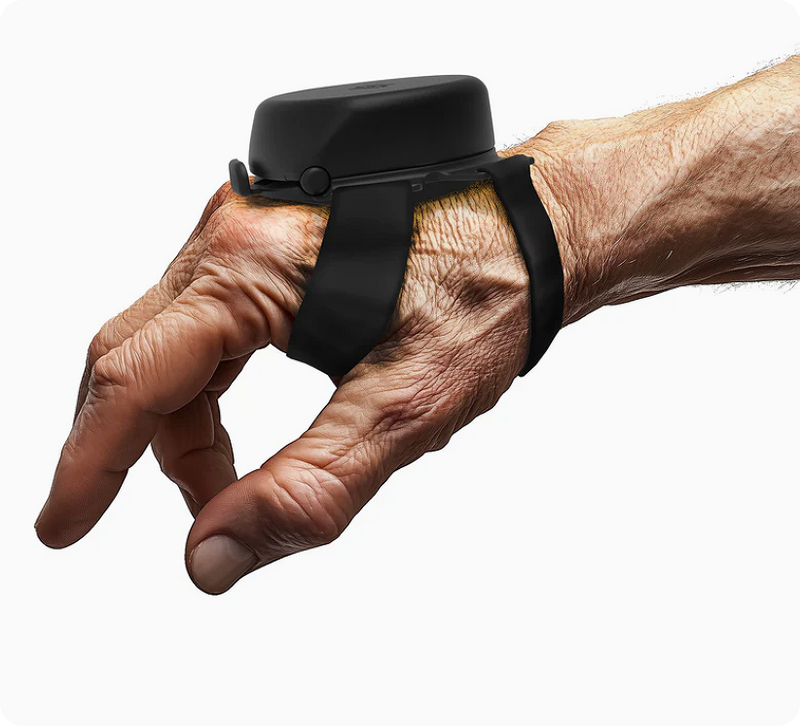
Essential Tremor affects not only the person with the condition but the family members who share daily life with them. A 2021 US study of nearly 1,000 people with Essential Tremor found that about one in four required a care partner, with spouses making up 61% of those care partners. Needing help with daily tasks like eating, dressing, and medication management gradually reshapes household roles. There is no cure for Essential Tremor; understanding the family impact supports effective, sustainable care planning with a movement disorder specialist.
Caregiver Burden in Essential Tremor: What Spouses and Family Members Experience
Caregiver burden in Essential Tremor is a documented clinical concern, particularly among spouses serving as primary care partners. Research shows that about 23% of ET care partners report providing constant care, 112 or more hours per week. A key finding: it is not tremor severity alone that predicts burden, but caregivers' perception of how much their partner is suffering. This means the emotional dimensions of Essential Tremor, not only visible motor symptoms, affect the whole family's wellbeing. Caregiver depression is a recognized risk, and care partners deserve their own mental health support.
How Essential Tremor Changes Daily Family Routines
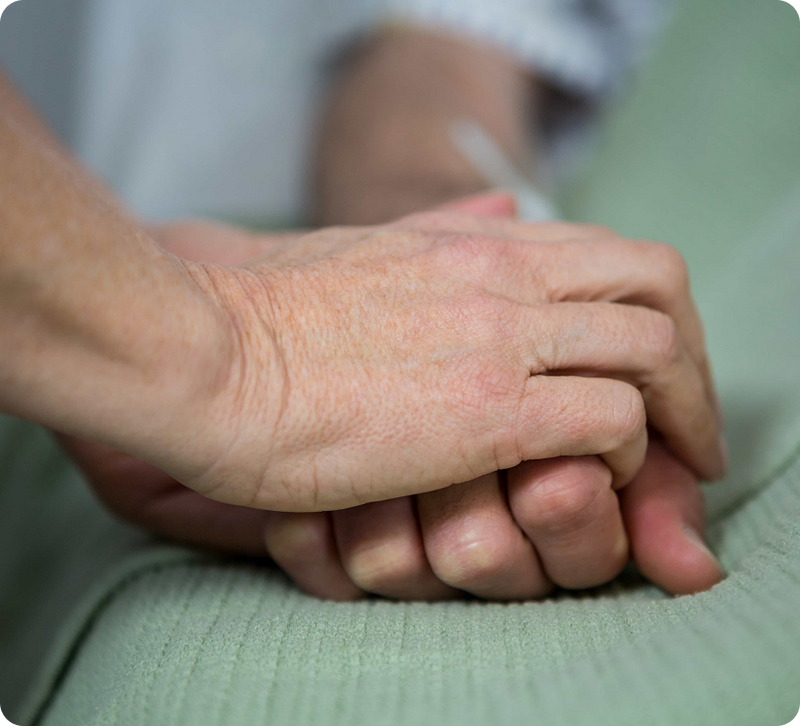
Daily family routines shift around the practical limitations of Essential Tremor; mealtimes, household tasks, and personal care may all require renegotiation. Tasks the person once completed independently, such as cooking or writing, may begin to require family assistance as tremor progresses. Assistive tools that reduce tremor during specific tasks can preserve the person's independence, easing the care load on family members. The Steadi-3 is an FDA-registered Class I medical device using passive magnetic stabilization, battery-free and prescription-free, validated to reduce tremor in 84% of users in a placebo-controlled study.
When Essential Tremor Runs in the Family: Understanding Hereditary Risk
Essential Tremor has a significant hereditary component; more than 50% of cases are associated with a family history of tremor, and the condition has historically been called familial tremor. When one family member is diagnosed, others may recognize similar symptoms in themselves or worry about their own risk. This can prompt difficult but productive conversations about shared health history. Family members who notice tremor symptoms should consult a movement disorder specialist for evaluation rather than self-diagnosing, since earlier identification supports earlier management and longer functional independence.
The Emotional Toll on Family Members Supporting Someone With Tremors
Family members supporting a person with Essential Tremor often experience grief about the changes they observe, worry about progression, and frustration at tremor's unpredictability. These reactions are common and documented in caregiving research; they are not signs of weakness. The shift in household roles, when a spouse or adult child takes over previously independent tasks, can create tension even in supportive relationships. Caregiver depression is a recognized risk, and the International Essential Tremor Foundation provides caregiver-specific resources and peer connection for families navigating this adjustment.
Communication Strategies for Families Living With Essential Tremor
Open, factual communication about how Essential Tremor is affecting daily life reduces tension created by unspoken assumptions. The person with Essential Tremor may resist help to preserve independence, so family members offering assistance without being asked can inadvertently undermine that independence. Establishing clear routines for which tasks the person handles independently versus with support respects both autonomy and family capacity. Where relational strain is significant, a family therapist experienced with chronic illness can help, and movement disorder specialists remain allies for the whole family, not only the person diagnosed.
Supporting Your Own Wellbeing as a Caregiver
Sustainable caregiving requires that the caregiver's own physical and emotional health be actively maintained, not treated as an afterthought. Caregiver depression and burnout are documented risks in Essential Tremor family caregiving, and recognizing signs early allows for earlier intervention. Practical strategies include rotating support among family members, accessing respite care, and setting clear limits on caregiving hours. The International Essential Tremor Foundation offers caregiver-specific resources and peer connection. Seeking professional mental health support is not a sign of failure; it is a proactive decision that benefits both caregiver and person with Essential Tremor.
Frequently Asked Questions
How does Essential Tremor affect family members?
Essential Tremor affects family members through increased caregiving demands, shifting household roles, and the emotional experience of watching a loved one navigate a progressive neurological condition. Spouses are the most common care partners, representing 61% of Essential Tremor care partners in a US clinical study. Caregiver burden in ET is associated with the perceived suffering of the person with the condition, not only tremor severity. Early planning, professional support, and open family communication reduce the long-term impact on the whole family.
Is Essential Tremor hereditary and what does that mean for my family?
Yes, Essential Tremor has a significant hereditary component; more than 50% of cases are associated with a family history of tremor. A family diagnosis often raises questions among relatives about their own risk, particularly those who have noticed similar symptoms. Family members who observe tremor in themselves should consult a movement disorder specialist for evaluation rather than self-diagnosing. Essential Tremor is not life-threatening, but earlier identification supports earlier management and longer functional independence.
How can I support a family member with Essential Tremor without taking away their independence?
Supporting a family member with Essential Tremor works best when the person retains as much independent decision-making and task completion as possible. Offering assistance for specific tasks on request, rather than taking over broadly, preserves their sense of control. Adaptive tools, including tremor-stabilizing devices, ergonomic equipment, and home modifications, can reduce the need for direct personal assistance in many situations. An occupational therapist can help the family identify which tasks benefit most from adaptive tools versus direct support.
What resources are available for families and caregivers of people with Essential Tremor?
The International Essential Tremor Foundation provides caregiver-specific resources, peer connection programs, and educational materials for families living with Essential Tremor. A movement disorder specialist can refer both the person with Essential Tremor and their care partners to appropriate allied health professionals. Caregiver support groups, available in person and online, reduce isolation and provide practical guidance from others in similar situations. Local occupational therapists and counseling services can also be identified through patient advocacy organizations.
Can caregiver burnout happen when caring for someone with Essential Tremor?
Yes, caregiver burnout is a recognized risk when supporting a person with Essential Tremor, particularly for spouses providing care over extended periods. Research shows that about 23% of Essential Tremor care partners provide constant care, 112 or more hours per week, a level that carries significant burnout risk without support. Early signs include persistent fatigue, emotional exhaustion, withdrawal from social activities, and depressive symptoms. Care partners who recognize these signs should seek support through their own healthcare provider or a caregiver organization.