

Discreet and Lightweight
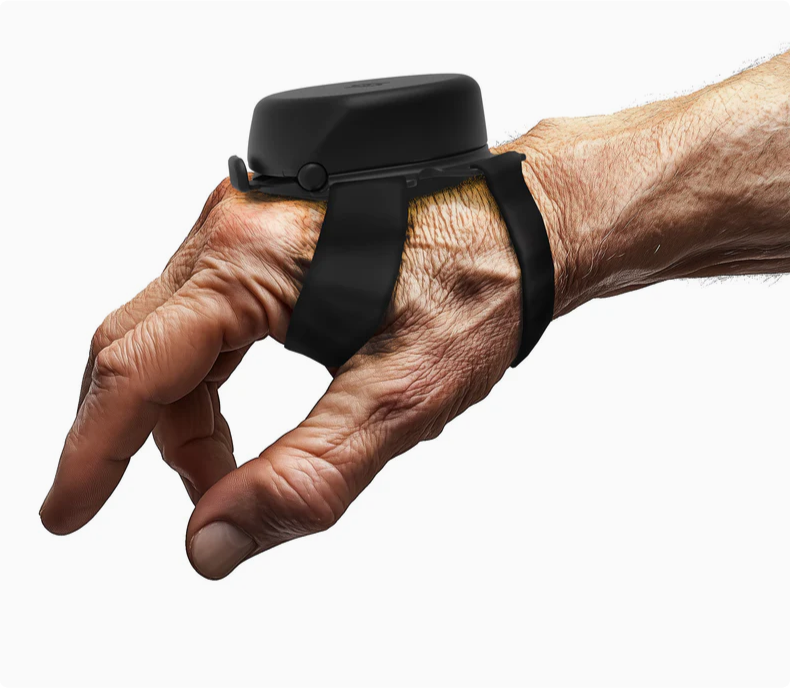
Unlike bulky medical devices, Steadi-3 Plus is sleek, subtle, and easy to wear—designed to blend into your daily routine without drawing attention. Move through your day with quiet confidence and greater independence.

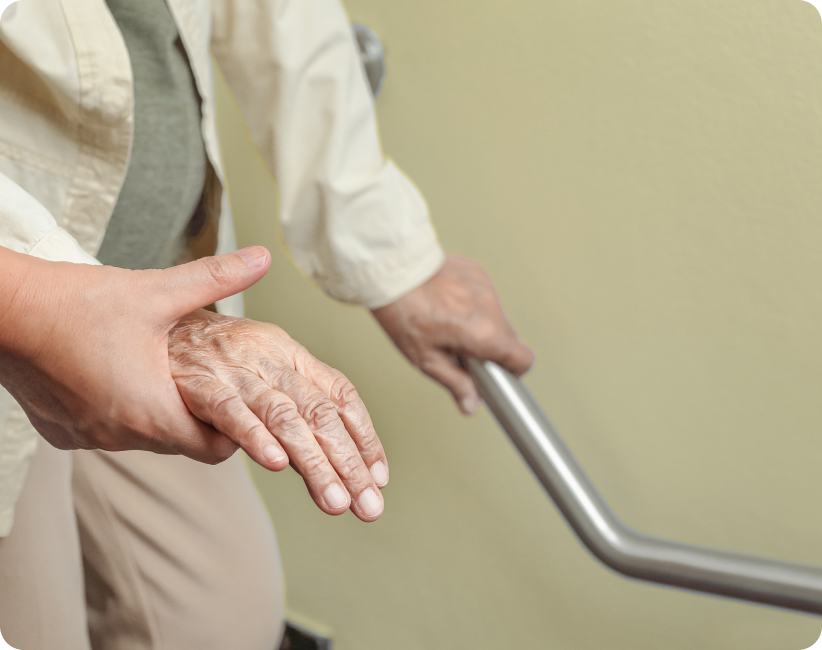

What is Parkinson’s Disease?
Living with Parkinson’s disease often means that once-simple routines—like brushing your teeth, fastening buttons, or pouring a cup of coffee—become daily hurdles. Tremors, stiffness, and fatigue can turn basic tasks into frustrating challenges, slowly undermining your confidence and sense of independence. But with the right support, these moments can feel steadier, more manageable, and far less overwhelming.
How Steadiwear Supports Parkinson’s Symptoms
The Steadi-3 Plus glove by Steadiwear provides immediate support for hand tremors and fine motor control—without batteries, bulk, or side effects. This non-invasive glove works in real time to help stabilize your hand, making everyday activities feel smoother and more doable. Whether you’re getting dressed in the morning or relaxing at night, Steadi-3 Plus helps you feel more confident, capable, and in control—every step of the way.
From Spills to Stability“Essential Tremor affects my daily life—writing, eating, even drinking. With Steadi-3 Plus, I feel more confident, in control, and no more spills on my shirt! I’d 100% urge anyone with Essential Tremor to give this a try.”
Write some content about what they are saying about your store.

 Joel
Joel
"The Steadi-3 Plus tremor glove fits naturally in your hand, with a lightweight, ergonomic design that promotes balance and stability. It responds to your movements instantly—helping reduce hand tremors and making everyday tasks feel smoother, steadier, and more doable."
Unlike bulky medical devices, Steadi-3 Plus is sleek, subtle, and easy to wear—designed to blend into your daily routine without drawing attention. Move through your day with quiet confidence and greater independence.

Steadi-3 Plus’s smart sensor technology responds to your movements in real time—without batteries or invasive parts. Whether you're signing your name, lifting a cup, or using a fork, the glove helps calm hand tremors, reduce spills, and restore control in your everyday routine. It’s practical support where it matters most.
This durable, non-invasive Parkinson’s solution is made with long-lasting, easy-to-clean materials—no batteries or complicated upkeep required. It’s designed for simple care and everyday reliability, so you can focus on living, not maintaining.

Living with Essential Tremor often means navigating simple tasks that suddenly require extra time, focus, or creativity. Everyday actions—like using utensils, brushing your teeth, or writing a grocery list—can feel unpredictable or frustrating due to involuntary shaking. Over time, this can impact self-confidence, lead to fatigue, and affect your social interactions.
Some people may avoid public outings or rely more heavily on others, which can create emotional strain. However, many individuals find that building consistent routines, using adaptive tools, and learning supportive strategies help restore independence.
While Essential Tremor doesn’t shorten life expectancy, it does affect how people move through the world. With the right mindset, treatment, and support, it is possible to manage challenges and maintain a steady, fulfilling lifestyle.
and reduce the severity of tremors over time. Some of the most effective exercises include wrist extensions, finger taps, hand stretches, and grip work with soft balls or therapy putty. Gentle activities like Tai Chi or yoga can help with posture, balance, and relaxation, which also supports tremor control.
Practicing these exercises regularly—3 to 5 times a week—can lead to noticeable improvements in how your hands respond. It’s important to begin slowly and avoid movements that cause discomfort. If possible, working with a physical or occupational therapist ensures that your routine is safe, personalized, and sustainable.
Consistent, low-impact movement can make daily tasks more manageable and improve your overall confidence when living with Essential Tremor.
Yes, several foods that reduce tremors are believed to support nerve health and calm the body. Nutrient-dense options like salmon, walnuts, and chia seeds are rich in omega-3 fatty acids, which help reduce inflammation in the nervous system. Leafy greens such as spinach and kale provide magnesium, a mineral linked to muscle relaxation and steadier motor function.
Bananas, avocados, whole grains, and legumes also contribute essential vitamins and minerals that support brain health. Including antioxidant-rich foods like berries and green tea may help reduce oxidative stress, which could lessen tremor severity.
While no single food can cure Essential Tremor, eating a well-balanced diet rich in healthy fats, leafy vegetables, and whole foods may make a positive impact. Always consult with your doctor before making major dietary changes.
There are several foods to avoid with Essential Tremors because they can worsen symptoms or interfere with treatment. Caffeine is a common trigger, found in coffee, tea, energy drinks, and even chocolate. It stimulates the nervous system, which can intensify hand shaking.
Alcohol may temporarily reduce tremors in some people, but it often causes rebound effects and is not recommended long-term. Processed foods high in sugar, artificial additives, or sodium can contribute to overall inflammation and nerve sensitivity. Monosodium glutamate (MSG), often found in takeout and snacks, has also been linked to worsened tremor symptoms in some individuals.
Instead, focus on clean, whole foods and stay well-hydrated. Keeping a food journal can also help identify personal triggers. Adjusting your diet is a powerful step in managing Essential Tremor naturally.
If you're wondering how to calm Essential Tremors, start by focusing on reducing stress—one of the most common triggers for tremor flare-ups. Deep breathing exercises, progressive muscle relaxation, or mindfulness meditation can bring calm to your nervous system.
Creating a quiet, supportive environment helps reduce sensory overload. Listening to calming music, stepping away from crowds, or focusing on one slow task at a time can also help. Practicing yoga or gentle stretching in the morning or evening may lower overall tension. Be sure to get enough sleep, eat nourishing foods, and stay hydrated—fatigue and dehydration can make tremors worse.
Everyone’s body responds differently, so experiment with what brings you the most calm. Managing daily stress is key to controlling Essential Tremor more effectively in real time.