
Managing Embarrassment from Tremors in Social Situations
Feeling embarrassed by tremors in social situations is a documented, common experience for people with Essential Tremor and Parkinson's Disease, not a personal failing. This page explains why it happens and offers practical strategies to help you maintain control and stay socially engaged.

Why Feeling Embarrassed by Tremors Is More Common Than You Think
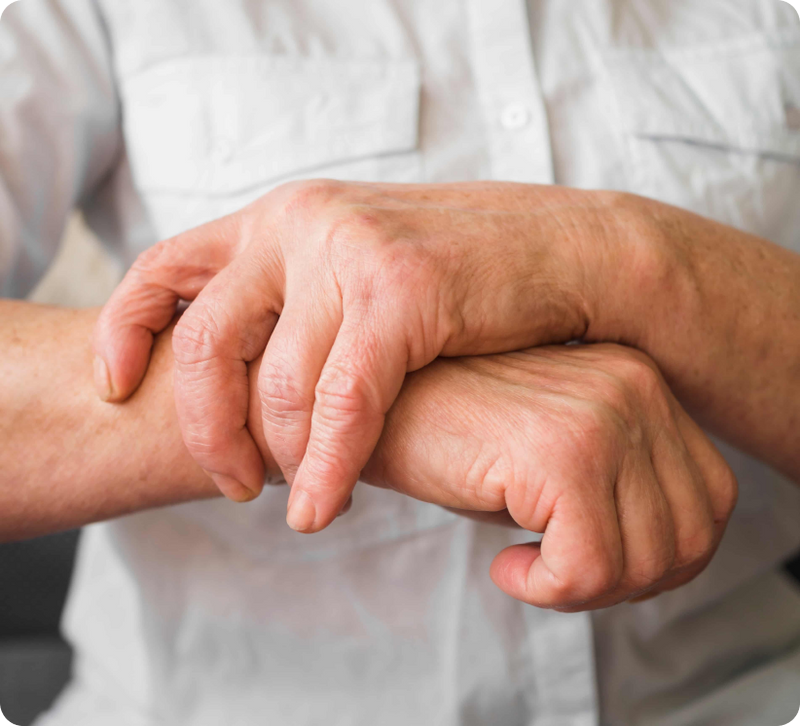
Clinical research confirms that embarrassment is among the most common non-motor effects of Essential Tremor. In a published study, nearly half of patients reported embarrassment even when their tremor was mild, and similar patterns appear in people with Parkinson's Disease. Embarrassment often precedes social avoidance, which can deepen isolation over time. Recognizing this as a documented psychosocial response, not a personal weakness, is the first step toward managing it effectively alongside any physical symptoms.
The Stress-Tremor Feedback Loop
For someone with Essential Tremor or Parkinson's Disease, anticipating tremors in social situations can trigger a physical stress response. The body releases adrenaline, a documented tremor aggravator, which increases tremor severity in that exact moment. This confirms the feared outcome and produces more anxiety, repeating the cycle. Understanding this feedback loop matters clinically because anticipating embarrassment is as relevant as managing the tremor itself, and both deserve attention in any treatment plan.

Common Social Situations Where Tremors Feel Most Visible
People with Essential Tremor and Parkinson's Disease most often report heightened embarrassment during tremors in social situations where hand use is visible to others: eating with utensils, drinking from a glass, signing documents, shaking hands, and dining in restaurants. These are not edge cases. Clinical literature confirms that these activities are the primary domains in which visible tremor affects social participation and, over time, leads to avoidance behavior for many patients. Recognizing these specific moments helps patients and caregivers plan ahead with greater control.
How Social Avoidance Can Develop Over Time
When embarrassment from tremors leads people to decline invitations, cancel plans, or avoid restaurants and public events, this pattern is known as social avoidance. Research on Essential Tremor confirms that unaddressed avoidance can progress into social phobia, depression, and reduced quality of life. For Parkinson's Disease patients, tremor-related isolation is a recognized non-motor complication. Noticing this pattern early gives patients and caregivers the opportunity to seek appropriate support for themselves or a loved one.
Strategies for Maintaining Social Participation with Tremors
Neurologists who work with patients with Essential Tremor and Parkinson's Disease suggest several approaches to maintain social participation. These include disclosing the condition to close contacts to ease anticipatory anxiety, scheduling important commitments during optimal medication windows where applicable, using assistive devices designed to reduce visible hand tremors during eating and drinking, and connecting with patient support communities. A healthcare provider can help determine which combination of approaches fits an individual's symptom severity, since no single strategy works for everyone.
Talking to Others About Your Tremors
Neurologists who treat movement disorders note that being open about Essential Tremor or Parkinson's Disease in social settings often reduces the anxiety that can worsen visible symptoms. Informing a colleague, server, or dining companion in advance removes the fear of an unexpected reaction. Many patients who disclose their condition report that others generally respond with understanding rather than judgment. Disclosure remains a personal decision, and a healthcare provider or mental health professional can help patients prepare for these conversations.
Assistive Devices for Tremors in Social Settings
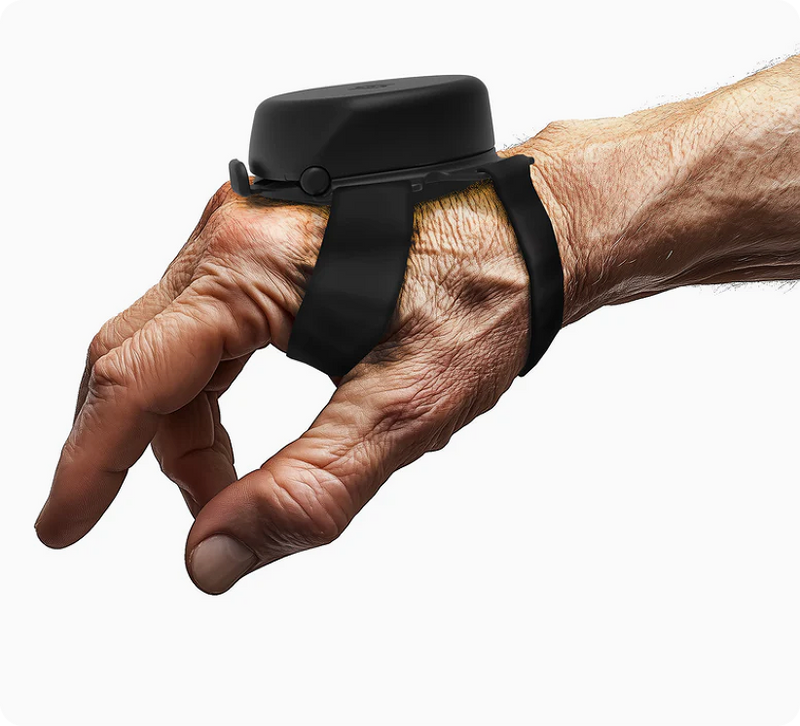
For patients whose embarrassment centers on visible hand tremors during eating, drinking, or other manual tasks, assistive devices offer a non-pharmaceutical option. The Steadi-3 is an FDA-registered Class I medical device that uses passive magnetic stabilization to reduce hand tremor. It is battery-free, requires no charging, and is validated in a placebo-controlled study showing improvement in 84% of users. Consulting a healthcare provider helps determine whether an assistive device is appropriate for a patient's specific tremor type and severity.
Frequently Asked Questions
Is it normal to feel embarrassed about hand tremors in public?
Embarrassment is one of the most frequently reported psychosocial effects of Essential Tremor and Parkinson's Disease. Published clinical research confirms that nearly half of patients with Essential Tremor report embarrassment even when their tremor is mild. It is a recognized emotional response to a visible, involuntary movement, not a sign of weakness. There is currently no cure for Essential Tremor or Parkinson's Disease, but effective management options exist. Patients are encouraged to discuss their experience with a healthcare provider.
Can anxiety make tremors worse in social situations?
Yes. Stress and anxiety are documented aggravators of tremor in both Essential Tremor and Parkinson's Disease. When someone anticipates embarrassment in a social setting, the body releases adrenaline, which is known to intensify involuntary movement. This creates a cycle where anxiety worsens the tremor, and the worsened tremor increases anxiety. Neurologists who treat movement disorders recognize this pattern and may incorporate stress reduction approaches alongside medication, assistive devices, and other clinical tools. A healthcare provider can help build the right plan.
What social situations are most difficult for people with Essential Tremor?
People with Essential Tremor and Parkinson's Disease most commonly report difficulty in situations where hand control is visible to others. Eating with utensils at a restaurant, drinking from a glass, signing documents, shaking hands, and pouring beverages are frequently cited examples. These are not rare complaints. Clinical literature on Essential Tremor confirms that social dining and professional interactions are primary domains in which tremor significantly affects participation for many patients and their families.
Should I tell people about my tremors at work or in social settings?
Disclosure is a personal decision with no single correct answer. Neurologists who work with Essential Tremor and Parkinson's Disease patients note that informing others in advance often reduces the anticipatory anxiety that can worsen visible tremors. When close contacts understand the condition, they are less likely to react in ways that reduce a patient's sense of control in that moment. Patients who are unsure how to approach these conversations may benefit from speaking with a healthcare provider or a licensed mental health professional familiar with chronic neurological conditions.
What devices can help reduce hand tremors during social activities?
Assistive devices designed to reduce visible hand tremors during daily tasks can help patients participate in social activities with greater control. The Steadi-3 is an FDA-registered Class I medical device that uses passive magnetic stabilization to reduce hand tremor. It requires no batteries, no charging, and no prescription. Validated in a placebo-controlled study with an 84% improvement rate, it is designed for everyday use. A healthcare provider can advise on whether an assistive device is appropriate for a specific type of tremor.