
Parkinson's Disease and Work: Your Guide to Staying Employed
Parkinson's Disease and work often feel like an uncertain combination after diagnosis, but a diagnosis does not mean a career has to end. This page covers practical strategies for staying employed, understanding your rights, and managing symptoms on the job.

How Parkinson's Disease Affects Your Ability to Work
Many people continue working with Parkinson's Disease for years after diagnosis. The impact on daily tasks depends on symptom type, severity, and job demands. Motor symptoms including tremor, rigidity, and slowed movement often affect fine motor tasks more than other work functions. Disease progression varies widely; early-stage Parkinson's Disease frequently allows full employment. Physical job demands, employer support, and response to medication all shape outcomes. A movement disorder specialist or occupational therapist can help assess work capacity at any stage.
Workplace Accommodations for Parkinson's Disease
Employers can provide reasonable workplace accommodations for Parkinson's Disease, including adjusted schedules, modified tasks, and ergonomic equipment. Voice-to-text software can ease writing and typing difficulties caused by tremor, while assistive devices for hand tremor support tasks that require fine motor control. Occupational therapists can assess workplace needs and recommend specific tools. The Job Accommodation Network (JAN) offers free guidance on accommodations for Parkinson's Disease. Flexible hours can help employees work during their best daily symptom windows, often mornings before medication wears off.

Working With Parkinson's Disease: Your Legal Rights
Parkinson's Disease is generally covered under the Americans with Disabilities Act, and employers with 15 or more employees must provide reasonable accommodations. The Family and Medical Leave Act may offer up to 12 weeks of unpaid leave for qualifying medical needs, which can be used alongside ongoing symptom management. Vocational rehabilitation programs provide career counseling, retraining, and job placement support. Knowing your ADA rights with Parkinson's Disease before disclosing a diagnosis allows for more informed conversations with employers. An HR professional or employment attorney can address situation-specific questions.
Disclosing a Parkinson's Disease Diagnosis at Work
There is no legal obligation to disclose a Parkinson's Disease diagnosis before accommodations are needed. ADA protections generally activate once a disclosure is made to a member of management or HR; consulting an employment attorney can clarify the specific steps that apply to your workplace. Timing is personal, shaped by symptom visibility, workplace culture, and financial considerations. Framing the conversation around functional needs rather than diagnostic details tends to work well, and practicing it in advance with a care team member can ease anxiety. Young-onset Parkinson's Disease and career timelines may call for earlier disclosure, since workplace impact can arrive faster.

Young-Onset Parkinson's Disease and Career Planning
People with young-onset Parkinson's Disease are often at the height of their careers when diagnosed, typically before age 50. Career planning afterward may include role modifications, remote work options, or a full career transition. Financial planning matters early too, covering disability insurance, savings, and a benefits review. Vocational rehabilitation counseling offers structured support for career assessment and job modifications. Building an interprofessional care team, including an occupational therapist, supports longer workforce participation, while a movement disorder specialist can tailor a medication plan to work demands.
Managing Hand Tremors at Work With Parkinson's Disease
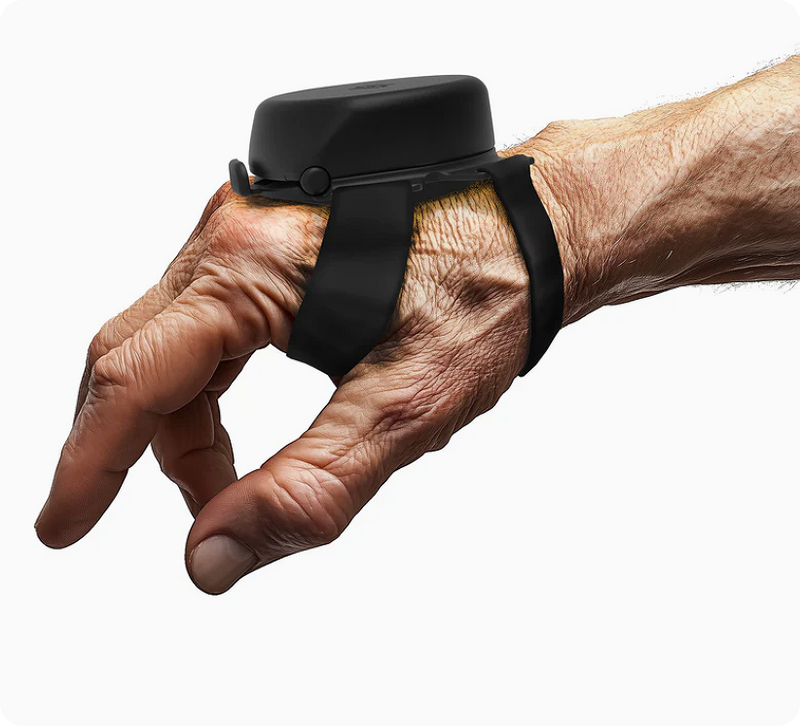
Hand tremor is one of the most common Parkinson's Disease symptoms affecting workplace performance, often disrupting writing, typing, and other fine motor tasks. Assistive devices can help maintain functional independence on the job. The Steadi-3 is an FDA-registered Class I medical device that uses passive magnetic stabilization to reduce hand tremors, and it is battery-free and prescription-free, worn during work tasks without charging or interruption. In a placebo-controlled study, it was validated to reduce tremor in 84% of users. There is no cure for Parkinson's Disease; devices like this support daily function alongside medical treatment.
When to Consider Transitioning Away From Work
For some people with Parkinson's Disease, symptoms eventually make continued employment unsafe or unsustainable. Signs a transition may be appropriate include difficulty performing essential job functions safely, worsening medication side effects during work hours, or a healthcare provider's recommendation. Part-time work is often a viable intermediate step. Social Security Disability Insurance is available to those who meet eligibility criteria, and applying early is recommended given processing times. A social worker or financial planner experienced in chronic illness can help structure the transition. Stopping work is a medical and personal decision, not a failure.
Frequently Asked Questions
Can you still work if you have Parkinson's Disease?
Yes, many people continue working with Parkinson's Disease for years after diagnosis. Ability to work depends on symptom type, severity, job demands, and employer support. Early-stage Parkinson's Disease often allows full employment with few or no modifications. There is no cure for Parkinson's Disease, but symptoms can be managed with medication, therapy, and assistive tools. A movement disorder specialist can help assess work capacity at each stage.
When should you tell your employer you have Parkinson's Disease?
There is no legal requirement to disclose a Parkinson's Disease diagnosis before accommodations are needed. Disclosure is a personal decision shaped by symptom visibility, workplace culture, and financial circumstances. ADA protections generally activate once disclosure is made to a member of management or HR; an employment attorney can clarify the specific steps that apply to your situation. Being prepared with specific accommodation requests before disclosing tends to lead to more productive conversations.
What workplace accommodations are available for Parkinson's Disease?
Common accommodations include modified schedules, reduced physical demands, ergonomic equipment, and voice-to-text software. Assistive devices for hand tremor can support writing, typing, and other fine motor tasks. The Job Accommodation Network offers free, confidential guidance on accommodations for Parkinson's Disease. An occupational therapist can conduct a formal workplace assessment and recommend specific tools. Employers with 15 or more employees are required under the ADA to consider reasonable accommodation requests.
How does Parkinson's Disease affect your ability to do your job?
Symptoms including tremor, rigidity, and slowed movement can affect tasks that require fine motor control, speed, or physical stamina. Cognitive symptoms such as difficulty concentrating or word-finding may also affect certain roles. Impact varies significantly by job type; desk-based roles are often easier to adapt than physically demanding positions. Symptom severity changes over time, and early-stage Parkinson's Disease may have minimal impact on daily job performance.
Can you get disability benefits for Parkinson's Disease?
Parkinson's Disease is recognized by Social Security as a disabling condition, and people who can no longer work may qualify for SSDI. Eligibility depends on work history, the severity of functional limitations, and medical documentation. Applying early is recommended, since SSDI applications can take months to process. A social worker experienced in chronic illness or a disability attorney can assist with the application. SSDI is separate from ADA workplace accommodations; both can be relevant at different career stages.