
Tremors and Daily Independence: Reclaiming the Tasks That Matter
Tremors and daily independence are more connected than most people realize. Essential Tremor and Parkinson's Disease affect the fine motor function needed for eating, writing, dressing, and the daily tasks that define a sense of control. Management options exist. This page explains them.
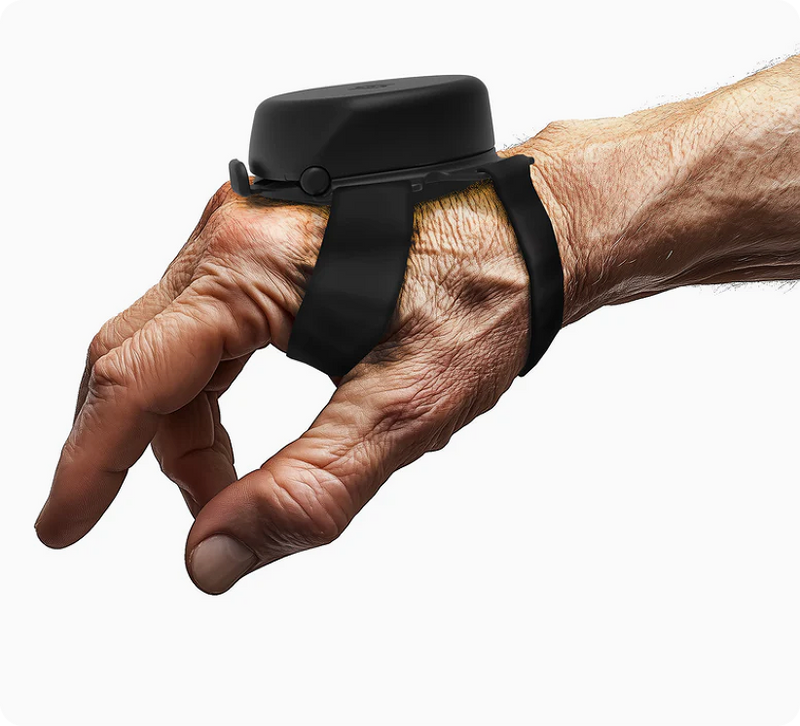

How Tremors Interfere with Everyday Tasks
Essential Tremor is an action tremor that worsens during movement, making tasks requiring precision the hardest hit. Research published by the International Essential Tremor Foundation confirms that ET substantially impairs self-reported ability to perform motor activities, including writing, carrying a cup, and using utensils. Parkinson's Disease resting tremors cause similar functional disruption even at rest. The gap between what someone wants to do and what tremors allow is the core independence challenge. No cure exists for either condition; management is the goal.
Which Daily Activities Are Most Affected
The tasks most disrupted by hand tremors fall into four categories: self-care (grooming, dressing, hygiene), meal-related tasks (eating, drinking, food preparation), communication (handwriting, typing, phone use), and professional or social activity (work tasks, signing documents). These are not minor inconveniences. For people with Essential Tremor or Parkinson's Disease, each represents a point of lost control that, if unaddressed, can compound into broader dependence on caregivers.
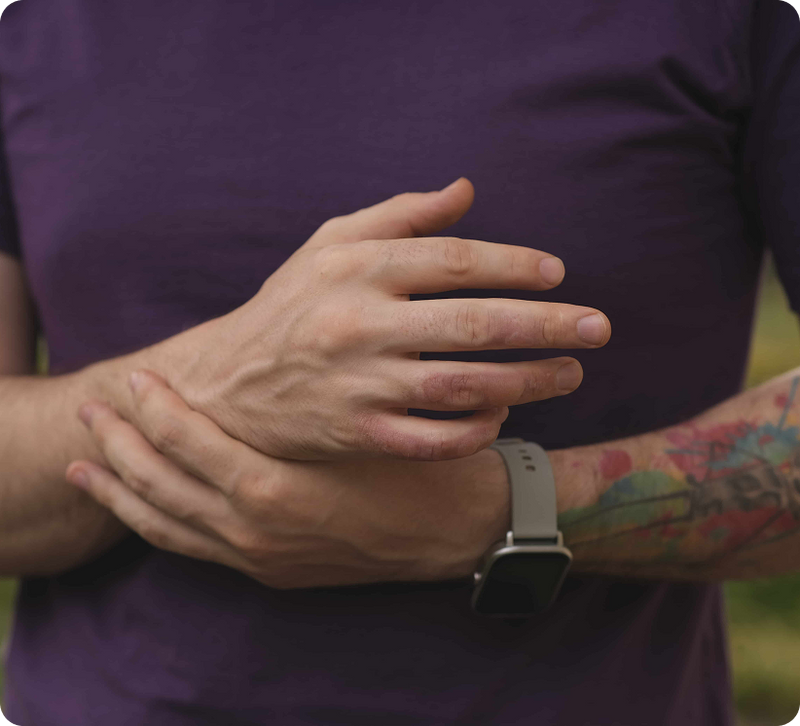
Why Independence Matters: The Emotional and Functional Stakes
For patients surveyed by the American Parkinson Disease Association, the most cited concerns about independence loss were giving up driving, relying on family members for daily tasks, and the fear of becoming a burden. These concerns apply equally to people with Essential Tremor. There is currently no cure for either condition. Protecting the ability to complete everyday tasks independently preserves a sense of control that matters to long-term well-being. Small gains in function translate directly into less reliance on caregivers.
Management Options: What Clinical Evidence Supports
Conventional management for Essential Tremor and Parkinson's Disease includes medication (propranolol, primidone for ET; levodopa for Parkinson's Disease), surgical interventions such as deep brain stimulation or focused ultrasound, and assistive devices. Each approach carries distinct trade-offs in terms of side effects, invasiveness, and eligibility. The Steadi-3 is an FDA-registered Class I medical device that uses passive magnetic stabilization to reduce hand tremors without batteries, surgery, or prescriptions. In a placebo-controlled study, 84% of users experienced a meaningful reduction in tremor. Consulting a neurologist or occupational therapist helps identify the right combination of approaches.
How Assistive Devices Support Daily Independence
Assistive devices for hand tremors range from weighted utensils to wearable stabilization technology. Adaptive utensils reduce spills but do not address the source of the tremor. The Steadi-3 uses passive magnetic stabilization to counteract tremor, helping users eat, write, and complete fine motor tasks with greater accuracy. As a battery-free, FDA-registered Class I medical device weighing approximately 275 grams, it requires no charging and no prescription. With a provider's letter of medical necessity, it may be FSA- or HSA-eligible.
The Role of Caregivers When Tremors Affect Independence
When a family member loses independence due to Essential Tremor or Parkinson's Disease tremors, the caregiver relationship shifts significantly. Caregivers often step in to handle tasks such as meal preparation, grooming, and personal care. Reducing tremor-related functional loss benefits both the patient and the caregiver. Assistive devices like the Steadi-3 can reduce the frequency of caregiver assistance needed for specific fine-motor tasks, restoring greater autonomy to the patient. Caregivers are encouraged to consult with a neurologist or occupational therapist to identify the most appropriate combination of support strategies.
Taking the Next Step Toward Restoring Control
Tremors from Essential Tremor or Parkinson's Disease cannot be cured, but the independence they affect does not have to be permanent. The Steadi-3 is a battery-free, FDA-registered Class I device validated in a placebo-controlled study in which 84% of users experienced meaningful tremor reduction. It requires no prescription and, with a provider's letter of medical necessity, may be FSA- or HSA-eligible. A 30-day return policy lets users evaluate real-world impact. Speak with a provider about whether Steadi-3 fits your plan.
Frequently Asked Questions
Can tremors from Essential Tremor or Parkinson's Disease cause complete loss of independence?
Essential Tremor and Parkinson's Disease are progressive neurological conditions with no current cure. In severe cases, tremors can make it difficult to complete basic self-care tasks without assistance. However, severity varies widely between individuals. Many people manage tremor-related functional loss effectively through medication, surgical options, physical therapy, and assistive devices. The Steadi-3, an FDA-registered Class I medical device, has been validated in a placebo-controlled study where 84% of users experienced meaningful tremor reduction during daily tasks. A neurologist can help assess your current functional level and appropriate management approach.
What daily tasks are most affected by hand tremors?
Hand tremors most significantly affect tasks that require fine motor control or stability under load. These include eating and drinking, writing and signing documents, grooming (shaving, applying makeup, buttoning clothing), using a phone or keyboard, and preparing food. For people with Essential Tremor, these difficulties appear during movement. For people with Parkinson's Disease, resting tremors can interfere even when the hand is stationary. Both patterns impair daily function and can increase caregiver reliance when left unmanaged. Consulting an occupational therapist can help identify adaptive strategies suited to specific task challenges.
What is the difference between an assistive device and adaptive equipment for tremors?
Adaptive equipment for tremors includes modified items such as weighted utensils, non-slip mats, and wide-handled pens that make tasks easier to perform despite tremors. Assistive devices, such as the Steadi-3, work differently. Rather than modifying the task environment, the Steadi-3 uses passive magnetic stabilization to reduce the tremor itself, allowing the user to interact with standard objects more accurately. As an FDA-registered Class I medical device, the Steadi-3 is clinically validated, not a lifestyle product. Both approaches can be used together and should be discussed with a healthcare provider for the best outcome.
How can caregivers help someone who is losing independence due to tremors?
Caregivers supporting someone with Essential Tremor or Parkinson's Disease can help by identifying which specific tasks are most affected, researching assistive device options, and accompanying the person to appointments with a neurologist or occupational therapist. Encouraging the use of validated management tools, including assistive devices such as the Steadi-3, can help reduce caregiver workload for specific fine motor tasks while preserving the patient's sense of control. It is important that caregivers also seek support for themselves through patient advocacy organizations.
Is the Steadi-3 appropriate for both Essential Tremor and Parkinson's Disease?
Yes. The Steadi-3 is designed to address hand tremors from both Essential Tremor and Parkinson's Disease. It uses passive magnetic stabilization, a battery-free mechanism that counteracts tremor motion without electricity or a prescription. In a placebo-controlled study, 84% of users experienced a meaningful reduction in tremor. The device weighs approximately 275 grams. With a provider's letter of medical necessity, it may be FSA- or HSA-eligible. Consulting a healthcare provider can help confirm whether the Steadi-3 is suitable for your specific condition.