
Tremors in the Elderly: Causes, Signs and What Helps
Tremors in older adults are among the most common concerns caregivers bring to physicians. This page covers the neurological and non-neurological causes of involuntary shaking, from Essential Tremor and Parkinson's Disease to medications and aging, with practical guidance on next steps. There is currently no cure for Essential Tremor or Parkinson's Disease, but both are manageable with the appropriate combination of medical and assistive approaches.

What causes tremors in elderly adults?
Tremors in older adults fall into several causal categories. Neurological causes, including Essential Tremor and Parkinson's Disease, are the most prevalent. Age-related physiological changes reduce the brain's ability to suppress baseline tremor. Medication side effects, particularly from antidepressants, antipsychotics, and certain asthma drugs, are a frequently overlooked cause. Metabolic conditions such as thyroid dysfunction, liver disease, and low blood sugar can also produce tremor. The underlying cause determines the most appropriate management path, making physician evaluation the essential first step.
Action tremors vs. resting tremors
Recognizing whether a tremor is an action tremor or a resting tremor helps caregivers describe symptoms accurately to a clinician. Action tremors occur during voluntary movement, such as writing, reaching, or eating, and are the hallmark of Essential Tremor. Resting tremors occur when the limb is at rest and typically improve during intentional movement. A resting tremor in an older adult is a recognized indicator of Parkinson's Disease and warrants prompt evaluation by a neurologist. Neither type should be dismissed without professional assessment.
Signs and symptoms in older adults
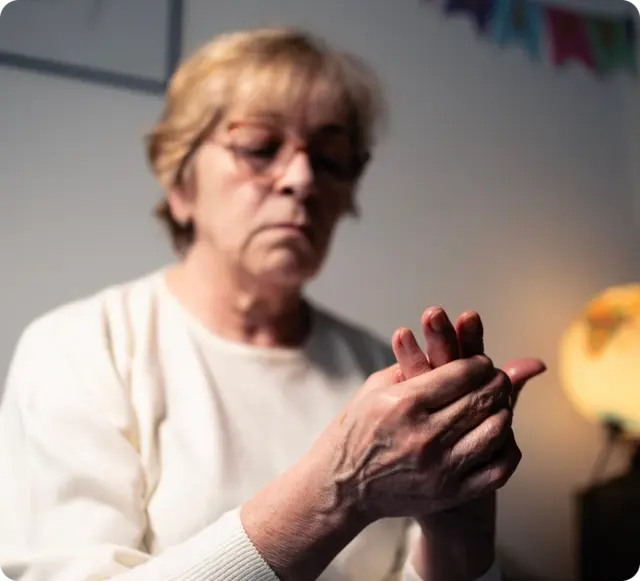
Tremors in elderly adults most commonly affect the hands, though shaking may also involve the head, voice, jaw, or legs. Caregivers should note whether shaking is constant or intermittent, and whether it worsens with fatigue or stress. Functional impact is a key indicator of severity: observe whether the person can reliably manage eating, drinking, writing, or holding objects. Early documentation of symptom progression, including timing and context, provides clinicians with valuable information for diagnosis. A pattern of worsening over weeks warrants timely evaluation.
Medications that can trigger or worsen tremors
Medication-induced tremor is a significant and frequently underrecognized cause of shaking in older adults. Antidepressants, antipsychotics, certain asthma medications, stimulants, and seizure medications can all cause or worsen tremors. Polypharmacy, meaning the use of multiple medications simultaneously, increases risk substantially in elderly patients. A physician or pharmacist review of all current medications is essential before attributing tremors solely to a neurological cause. Do not adjust or discontinue any prescribed medication independently. A prescribing physician can determine whether a medication substitution or dose change is appropriate.
When to see a doctor about tremors in elderly adults
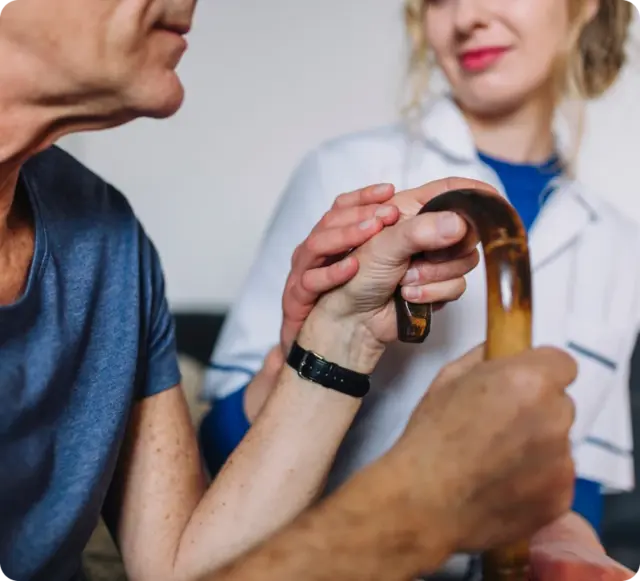
A healthcare provider should be consulted when tremors are new, progressively worsening, or affecting daily function. Resting tremors in an older adult warrant a referral to a neurologist without delay. Evaluation may include blood tests to assess thyroid function, liver health, and blood glucose, as well as brain imaging if a structural cause is suspected. A movement disorder specialist provides the most targeted expertise for Parkinson's Disease evaluation. An occupational therapist can assess functional limitations and recommend adaptive tools alongside the medical workup.
Managing hand tremors in elderly adults
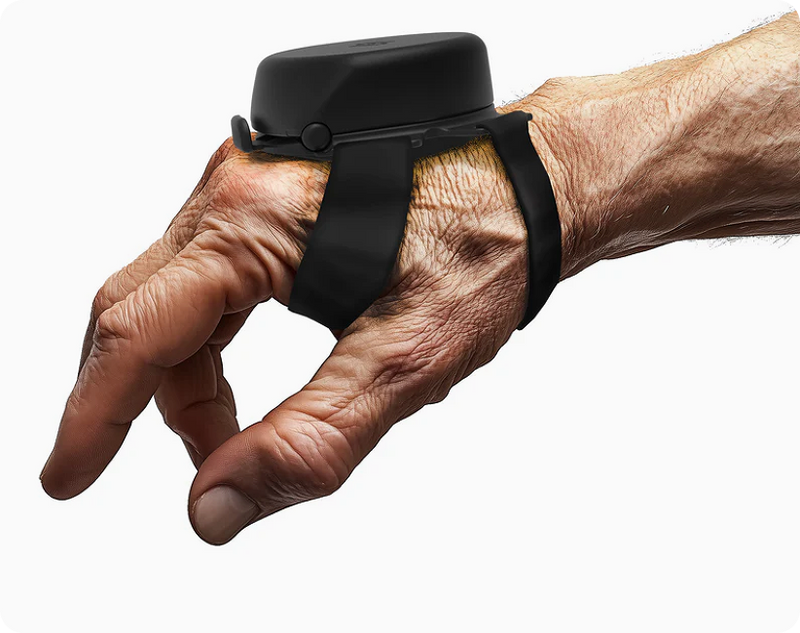
Management options for tremors in older adults include medications, surgery, therapy, and assistive devices. Beta-blockers and anticonvulsants are the most prescribed medications for Essential Tremor. Deep brain stimulation is a surgical option for eligible patients with severe, medication-resistant tremors. Physical and occupational therapy address gait, coordination, and daily function. The Steadi-3 tremor glove is an FDA-registered Class I medical device that uses passive magnetic stabilization to reduce hand tremors without batteries or a prescription. Validated in a placebo-controlled study showing tremor reduction in 84% of users, it is a lightweight, non-invasive option. For a full review of the clinical evidence, see the Steadi-3 validation study.
Supporting an elderly loved one day to day
Supporting an elderly loved one with tremors requires balancing assistance with independence. Adaptive tools, including weighted cups, tremor-damping utensils, and wearable stabilizers, reduce the functional impact of shaking while preserving the user's sense of control. Over-assisting can reduce a person's sense of control over daily tasks. Consulting an occupational therapist provides personalized recommendations for daily routines. The goal of supportive care is to maintain the highest possible level of independence in everyday activities such as eating, writing, and personal care.
Frequently Asked Questions
What is the most common cause of tremors in elderly adults?
Essential Tremor is the most common neurological cause of tremors in elderly adults, affecting an estimated 10 million Americans. Parkinson's Disease is the second most recognized neurological cause. Medication side effects and age-related physiological changes are also frequent contributors, particularly in older adults taking multiple medications. In all cases, a physician evaluation is necessary to identify the specific cause and rule out treatable conditions such as thyroid dysfunction or medication-induced tremor. Self-diagnosis is not recommended, as tremor causes overlap significantly.
What is the difference between Essential Tremor and Parkinson's Disease tremors?
Essential Tremor is an action tremor that occurs during voluntary movements such as writing, reaching, or holding objects. It most commonly affects the hands, head, and voice. Parkinson's Disease tremor is a resting tremor, most evident when the limb is relaxed and still, and typically improves during intentional movement. Essential Tremor does not produce the rigidity or slowed movement characteristic of Parkinson's Disease. A neurologist can confirm the diagnosis through clinical examination. Both conditions are manageable, though there is currently no cure for either.
When should I be concerned about shaking in an elderly person?
Immediate medical evaluation is warranted if tremors develop suddenly, are accompanied by weakness, speech changes, or confusion, or follow a fall or head injury. A scheduled appointment is appropriate when tremors are new and progressive, affecting daily function, or worsening over several weeks. Resting tremors in an elderly person warrant a referral to a neurologist, regardless of urgency. Do not delay if any acute neurological symptom accompanies shaking. Early evaluation supports more effective management planning and helps identify reversible causes before progression.
Are there non-medication options for managing tremors in elderly adults?
Yes. Occupational therapy, physical therapy, and assistive wearable devices are all established non-medication approaches to tremor management. The Steadi-3 is an FDA-registered Class I medical device that uses passive magnetic stabilization to reduce hand tremors without batteries, electrical components, or side effects. Validated in a placebo-controlled study showing tremor reduction in 84% of users, it requires no prescription. Adaptive tools for eating, writing, and drinking also reduce functional limitations. All approaches are most effective when coordinated with a healthcare provider.
Can tremors in elderly adults be prevented?
Age-related tremors cannot be fully prevented. However, avoiding known triggers, including excessive caffeine, alcohol, fatigue, and high stress, can reduce severity in susceptible individuals. Regular physical activity supports coordination and muscle tone. Medication reviews can identify and eliminate drug-induced tremors. Early evaluation and management of underlying conditions such as thyroid dysfunction may prevent symptom progression. There is currently no cure for Essential Tremor or Parkinson's Disease, but both are manageable with the appropriate combination of medical and assistive approaches.