
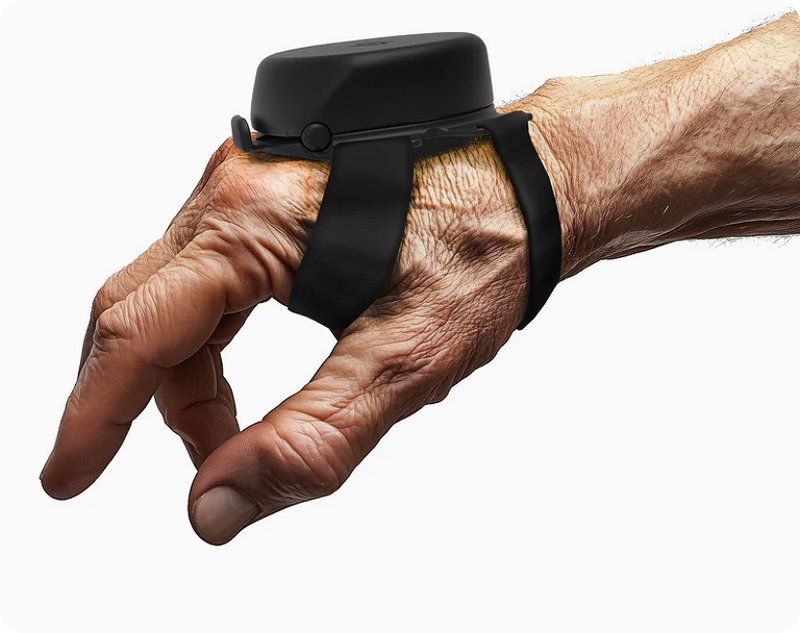

What Is a Hand Tremor?
A hand tremor is an involuntary, rhythmic shaking produced by unintended muscle contractions. Everyone has a subtle physiologic tremor, but a clinical tremor is visible to others or disruptive to daily tasks. Tremor can affect one or both hands and may extend to the arms, head, or voice, depending on the underlying cause. Not all hand tremors signal serious disease. Context matters: when the shaking appears, how long it lasts, and what other symptoms accompany it shape the clinical picture.

What Causes Hand Tremors?
Understanding what causes hand tremors starts with recognizing four main categories. Neurological conditions include Essential Tremor, Parkinson's Disease, multiple sclerosis, stroke, and traumatic brain injury. Metabolic and endocrine causes include hyperthyroidism, low blood sugar, Wilson's disease, and vitamin deficiencies. Lifestyle triggers such as excess caffeine, stress, anxiety, sleep deprivation, and alcohol withdrawal can amplify shaking. Medication side effects from asthma inhalers, antidepressants, corticosteroids, and certain chemotherapy agents also produce tremor. Identifying the category guides treatment.

Types of Hand Tremors and How They Differ
Clinicians classify types of hand tremors by when they activate. Rest tremor occurs when the hand is fully relaxed and is the classic sign of Parkinson's Disease, often described as pill-rolling. Action tremor includes subtypes: postural tremor appears when holding the hand against gravity, typical of Essential Tremor; kinetic tremor occurs during movement; and intention tremor worsens as the hand approaches a target, suggesting cerebellar involvement. Enhanced physiologic tremor is triggered by stress or caffeine and is fully reversible.
Symptoms of Hand Tremors to Watch For
The core symptom is rhythmic shaking of one or both hands, sometimes extending to the fingers, wrists, or forearms. Observe when the tremor appears: at rest, during movement, or while maintaining a posture. Note which side is affected and whether the oscillation is fine or coarse. Functional signs include difficulty writing, holding a cup, buttoning clothing, or using a phone. Hand tremors accompanied by stiffness, slowness, or balance problems warrant prompt medical evaluation.
How Hand Tremors Affect Daily Life
Tremor transforms ordinary tasks into daily challenges. Eating and drinking become sources of frustration when liquids spill, and utensils are hard to control. Handwriting may deteriorate, and small tasks like buttoning a shirt or fastening a buckle grow difficult. Typing and using touchscreens require extra concentration. Beyond physical function, many people experience self-consciousness and begin avoiding social situations, especially public dining. Caregivers often notice shaking before the person does.
How Hand Tremors Are Diagnosed
Diagnosis rests primarily on clinical examination and medical history taken by a neurologist or movement disorder specialist. Blood tests may check thyroid function, blood sugar, and liver and kidney panels to rule out metabolic causes. Electromyography can measure muscle activity patterns, while CT or MRI imaging helps exclude structural brain issues. In difficult cases, a DaTscan detects reduced dopamine neuron activity, helping distinguish Parkinson's Disease from Essential Tremor. Documenting your tremor patterns before the visit through video or written notes helps enormously.
When to See a Doctor About Hand Tremors
See a doctor if the tremor is new and unexplained, progressively worsening, or affecting daily function. Red flags warranting prompt evaluation include shaking accompanied by stiffness, slowness, balance problems, weakness, or speech changes. Anyone with a family history of Parkinson's Disease or Essential Tremor should seek a baseline evaluation when tremor appears. Report medication-related tremor to your prescribing physician before making changes. The Steadi-3 offers daily relief while you pursue a diagnosis and is FSA/HSA eligible.
Frequently Asked Questions