
What Causes Tremors in Adults?
Understanding what causes tremors begins with recognizing that most are neurological in origin. This page covers the causes, types, and triggers of tremors, including Essential Tremor, Parkinson's Disease, medications, and aging. There is no cure, but tremors can be managed.

The Neurological Roots of Tremor
Most abnormal tremors originate from disrupted signalling in the brain's movement-control network. The cerebellum coordinates balance and fine motor movements, while the basal ganglia regulate the initiation and smoothing of movement. When communication between these structures breaks down, rhythmic misfiring produces involuntary shaking. Different tremor types originate in different brain regions, which is why their patterns vary. A low-level physiologic tremor is present in all people but is typically imperceptible. Amplified or persistent tremor indicates a breakdown in these circuits.
Essential Tremor: Most Common Cause
Essential Tremor is the most common cause of chronic hand tremor in adults, affecting an estimated 10 million Americans. It is classified as an action tremor, worsening during intentional movement such as holding a cup or writing, rather than at rest. Essential Tremor is often familial, with approximately 50% of cases linked to a family history of the condition. It typically affects both hands and may involve the head and voice. The condition is progressive, and there is currently no cure for Essential Tremor.
Parkinson's Disease, MS and Neurological Tremors
Parkinson's Disease produces a resting tremor, which occurs when the limb is relaxed and typically improves during intentional movement. This distinguishes it from Essential Tremor. The mechanism involves progressive loss of dopamine-producing neurons in the substantia nigra. Multiple sclerosis can cause a cerebellar tremor affecting coordination and limb control. Stroke and traumatic brain injury may also produce tremors depending on the area of neurological damage. Each condition produces a distinct tremor character. Consult a healthcare provider for accurate diagnosis.
Medications, substances, and lifestyle triggers
Several medications and substances can cause or worsen tremors. Bronchodilators for asthma, corticosteroids, certain antidepressants, antipsychotics, and some seizure medications list tremor as a recognized side effect. Stimulants including caffeine and nicotine amplify physiologic tremor. Alcohol withdrawal causes a distinct and medically significant tremor. Hyperthyroidism and low blood sugar are metabolic causes. Fatigue and stress temporarily worsen tremor in people with underlying conditions. Lifestyle-triggered tremors are often reversible. Always review current medications with a healthcare provider.

Why Tremors Worsen With Age
Tremors become more common with age for several reasons. The brain's ability to suppress baseline physiologic tremor decreases over time. Essential Tremor most often begins in midlife and progresses with age, becoming more visible in later decades. Parkinson's Disease tremor is more common after age 60. Older adults frequently take multiple medications that may compound tremor. Not all shaking in older adults indicates Parkinson's Disease. There is currently no cure for progressive neurological tremors, but management strategies can support daily independence and function.
When Is Tremor Serious?
Some tremor presentations warrant prompt medical evaluation. A tremor that begins suddenly or follows a head injury should be assessed without delay. Tremor accompanied by balance problems, one-sided weakness, or speech changes may indicate stroke or another serious neurological event. A rapidly progressing or shifting tremor requires neurologist assessment. Tremor that interferes with eating, writing, or other daily tasks is medically significant, even when not immediately dangerous. A healthcare provider can determine the appropriate evaluation pathway based on the clinical picture.
Managing Tremors: Options for Patients
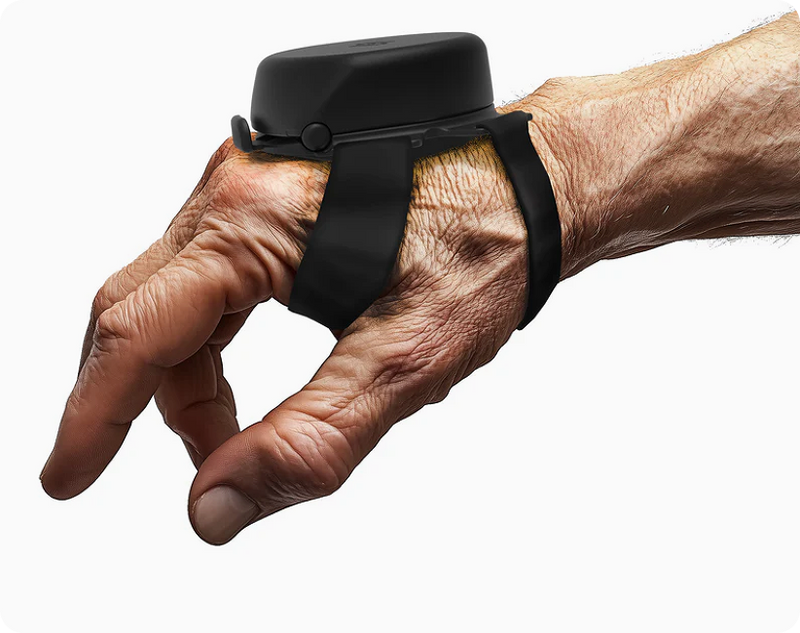
Tremor management options include medication, surgery, physical therapy, and assistive devices. The Steadi-3 tremor glove is an FDA-registered Class I medical device that uses passive magnetic stabilization to reduce hand tremors without batteries, charging, or a prescription. Validated in a placebo-controlled study showing tremor reduction in 84% of users, it is lightweight and suitable for Essential Tremor and Parkinson's Disease. Occupational therapy supports functional independence alongside device use. There is no cure for progressive neurological tremors. Consult a healthcare provider to build an appropriate management plan.
Frequently Asked Questions
What are the most common causes of tremors in adults?
Essential Tremor is the most common neurological cause of tremors in adults. Physiologic tremor is the normal baseline all adults have, typically imperceptible. Parkinson's Disease accounts for a significant portion of tremor cases in older adults. Medications, alcohol withdrawal, and hyperthyroidism are common reversible causes. Stress and fatigue temporarily worsen tremor in people with underlying conditions. A healthcare provider can determine the underlying cause through clinical evaluation, including physical examination and review of current medications.
Is it normal to have occasional tremors?
Everyone has a baseline physiologic tremor that is normally too small to notice. Caffeine, stress, fatigue, and low blood sugar can temporarily amplify this tremor. An occasional mild tremor following exertion or a stressful event is generally not a cause for concern. A tremor that is persistent, progressing, or interfering with daily tasks such as eating or writing warrants evaluation by a healthcare provider. The distinction between a benign occasional tremor and one requiring medical attention is best made through clinical examination.
What is the difference between Essential Tremor and Parkinson's Disease tremor?
Essential Tremor is an action tremor that appears or worsens during voluntary movement such as holding a cup or writing. Parkinson's Disease tremor is typically a resting tremor, present when the limb is relaxed and improving during intentional movement. Essential Tremor most often affects both hands symmetrically, while Parkinson's Disease tremor frequently begins on one side. Both are progressive neurological conditions with no known cure. Both benefit from management strategies including medication, assistive devices, and occupational therapy.
What medications can cause or worsen tremors?
Several drug classes can cause or worsen tremors, including bronchodilators for asthma, corticosteroids, certain antidepressants, antipsychotics, and some seizure medications. Caffeine amplifies physiologic tremor and is a widely consumed trigger. If tremor worsens after starting a new medication, that should be discussed with a prescribing physician. Stimulant use, including both prescription and non-prescription substances, is worth reviewing with a healthcare provider. Never discontinue a prescribed medication without medical guidance, as abrupt withdrawal can carry additional risks.
Can tremors be managed without surgery or medication?
Many patients with Essential Tremor or Parkinson's Disease tremor seek non-pharmaceutical options. The Steadi-3 is an FDA-registered Class I medical device that uses passive magnetic stabilization without batteries or electrical components. Validated in a placebo-controlled study showing tremor reduction in 84% of users, it requires no prescription. Physical therapy and occupational therapy support functional independence alongside device use. A healthcare provider or occupational therapist can recommend appropriate management options based on the type of tremor and individual functional needs.