DBS surgery recovery time and focused ultrasound thalamotomy recovery follow different paths, and understanding both helps patients and caregivers plan realistically. Deep brain stimulation involves a staged process: surgical implantation, then weeks of device programming. Focused ultrasound delivers results on the day of the procedure, with a faster initial recovery. This article covers what each recovery timeline entails, which restrictions apply, and which tremor management options are available during the recovery window.
What Does "Recovery" Actually Mean After Essential Tremor Surgery?
Recovery after Essential Tremor surgery is not a single event. For DBS, it encompasses physical healing from the implantation procedure and a programming phase spanning weeks to months. For focused ultrasound thalamotomy, it means lesion stabilization following a same-day outpatient procedure. The two recoveries are fundamentally different in structure. Published clinical data show DBS achieves 53 to 62% tremor reduction at 12 months, while focused ultrasound shows 73% reduction sustained at 5 years. Both are management strategies, not cures.
DBS Surgery — What Happens in the Hospital?
Deep brain stimulation involves implanting electrodes into the VIM of the thalamus, which are connected to a pulse generator placed under the skin of the chest or abdomen. Johns Hopkins notes DBS generally requires at least one night in the hospital after implantation. Patients return home with wound care instructions for both the scalp incision and the generator site. The device is not activated immediately after surgery. No tremor-control benefit begins until the programming phase, which starts several weeks later, once the implant sites have healed sufficiently.
DBS Device Programming — The Weeks 2 to 8 Timeline
The most under-discussed aspect of DBS surgery recovery time is the programming phase. Initial device activation typically occurs two to four weeks after surgery. A neurologist then adjusts stimulation parameters across multiple appointments to identify the therapeutic window that offers the best tremor control with the fewest side effects. This process continues over weeks to months, with tremor control improving incrementally. Patients should not assess their final outcome until programming reaches a stable state. Final benefit may not be apparent for several months after implantation.
Activity Restrictions After DBS — What You Cannot Do and for How Long
Following DBS surgery, strenuous physical activity is restricted for four to six weeks while implant sites heal. Driving is prohibited until the neurologist provides explicit clearance. MRI compatibility is a long-term consideration: DBS patients must notify all future healthcare providers of their implant and confirm MRI protocols are device-compatible, as compatibility varies by device generation. Return to light daily activities is typically possible within a few weeks. Contact sports carry ongoing restrictions due to the risk of falls and potential hardware disruption.
Long-Term DBS Maintenance — Battery Replacement and Ongoing Care
DBS is not a one-time intervention. The pulse generator battery lasts three to five years for non-rechargeable devices, after which a planned minor outpatient procedure replaces it. Rechargeable options significantly reduce replacement frequency. Device settings may also require adjustment over the years as tremor patterns evolve. This ongoing maintenance is a practical reality patients should understand before surgery. Critically, DBS is adjustable and reversible, a meaningful clinical advantage over focused ultrasound thalamotomy, where the lesion is permanent and cannot be modified.
Focused Ultrasound Thalamotomy — The First 24 Hours
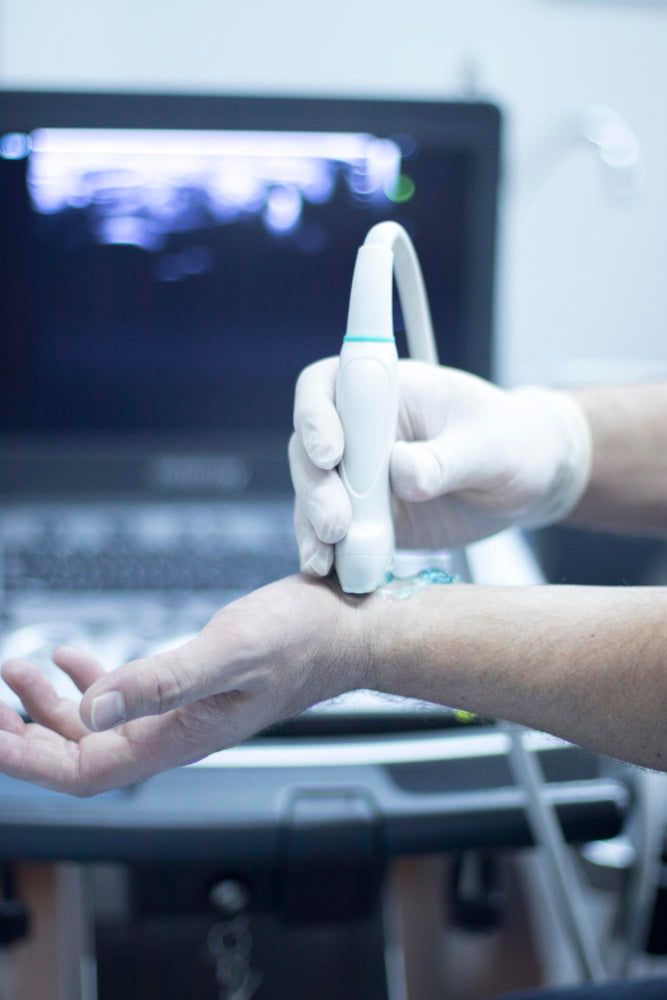
Focused ultrasound thalamotomy is performed with the patient awake over approximately three hours, using MRI-guided sound waves to create a precise thermal lesion in the VIM thalamus. No incisions and no general anesthesia are required. Tremor reduction is assessed in real time during the procedure. Most patients are discharged the same day, per clinical protocols from Johns Hopkins and Mass General Brigham. Mild headache, nausea, and dizziness are common on the day of the procedure and typically resolve within hours. Meaningful improvement in tremor is often observable before leaving the facility.
FUS Side Effects — Ataxia, Sensory Changes, and Speech
Focused ultrasound side effects require honest disclosure. The most common are imbalance, gait unsteadiness, and numbness or tingling in the fingers or face. According to OHSU, most side effects resolve within two to three weeks. Johns Hopkins notes that speech abnormalities, facial tingling, and balance issues may persist for up to a year or, in a minority of patients, become permanent. Bilateral treatment requires a minimum 9-month wait between procedures to reduce the risk of cognitive complications. Patients with bilateral tremor should factor this into their surgical planning conversation.
How Long Until You Notice Tremor Improvement After Each Procedure?

The timeline for tremor relief differs significantly between procedures. Focused ultrasound delivers results visible in real time during the procedure. DBS tremor control develops gradually during the programming phase, with full therapeutic effect typically achieved within weeks to months. Neither procedure eliminates tremor in all patients. FUS reports 73% reduction sustained at 5 years; DBS reports 53 to 62% at 12 months. Individual outcomes vary depending on tremor characteristics, age, and device programming. Setting realistic expectations with a movement disorder specialist before surgery reduces post-procedure disappointment significantly.
Questions to Ask Your Neurologist Before Choosing Surgery
Before committing to either procedure, patients should ask: Am I a candidate for both DBS and focused ultrasound, or does my health profile restrict my options? If one side is treated first, what is the plan for the other side? FUS requires a skull bone density ratio assessment for MRI targeting eligibility. DBS requires tolerance for general anesthesia and a two-stage surgical commitment. Will DBS hardware interfere with future MRI scans? Who manages programming after surgery, and how often will follow-up appointments be needed during deep-brain stimulation recovery?
DBS vs Focused Ultrasound Recovery — Key Differences Side by Side
The two procedures differ across every dimension of recovery. Hospital stay: DBS requires one to two nights; focused ultrasound is a same-day discharge. Programming: DBS requires weeks of iterative follow-up; FUS has no programming phase. Reversibility: DBS is adjustable and reversible; FUS creates a permanent lesion. Bilateral treatment: DBS can treat both sides; FUS requires a minimum 9-month wait between ablations. Both procedures are FDA-approved and clinically validated. The right choice depends on tremor pattern, age, health status, and preference for reversibility versus minimal invasiveness.
Managing Hand Tremors During the Recovery Period With Steadi-3

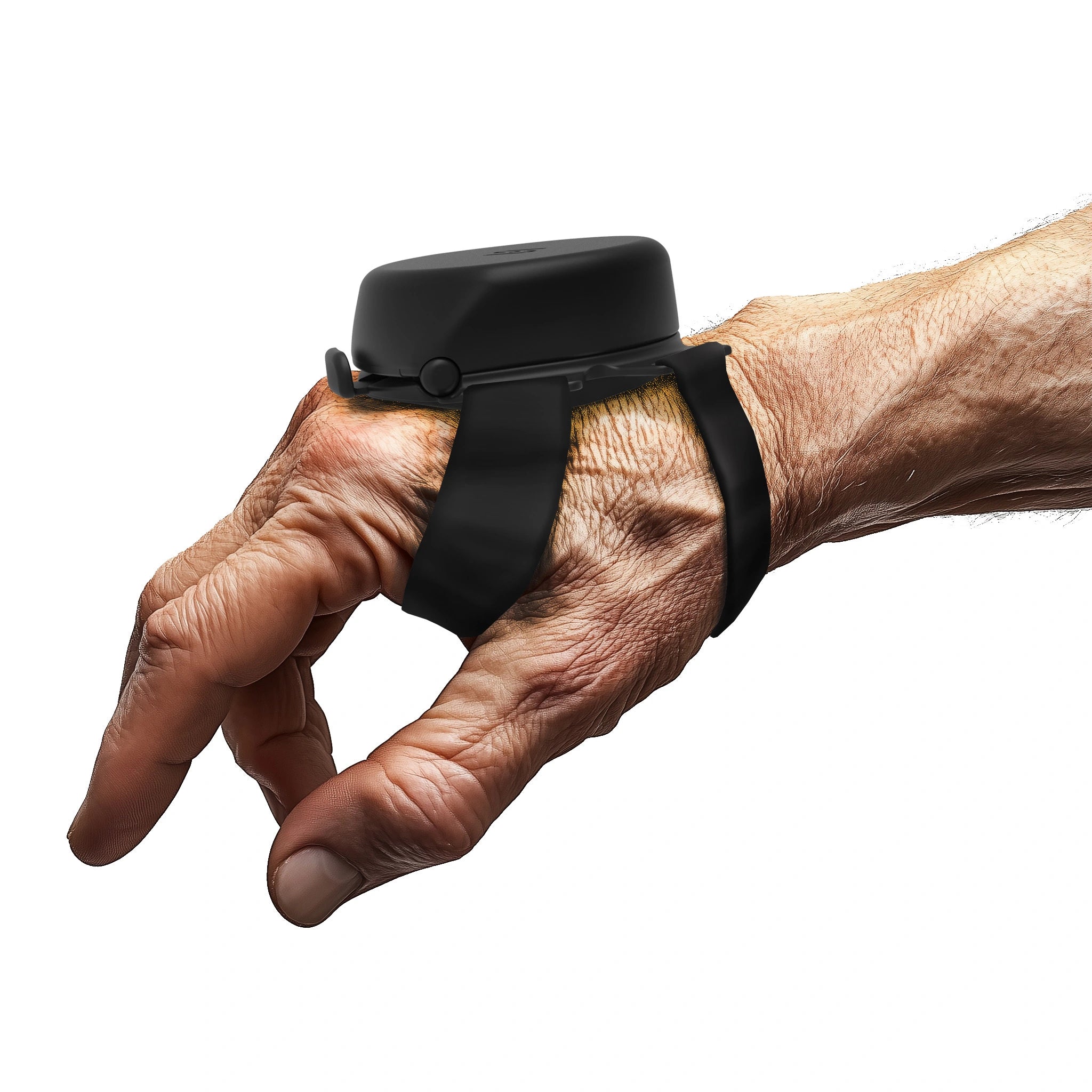
Both DBS and focused ultrasound patients may experience residual or temporary hand tremor during recovery. DBS patients often have no control over their tremor at all during the weeks before programming begins. FUS patients may manage transient side effects, including temporary imbalance, while the lesion stabilizes. A non-invasive, non-electrical wearable device can provide functional support during this window. The Steadi-3 is a battery-free, FDA-registered Class I medical device that uses patented passive magnetic stabilization to reduce hand tremor during eating, writing, and daily tasks. It requires no prescription and contains no electrical components. Clinical validation showed that 84% of users reported a significant reduction in tremor.
Conclusion:
DBS surgery recovery time ranges from weeks to months because of the device programming phase, which determines final tremor-control outcomes. Focused ultrasound thalamotomy recovery is faster initially, but carries a real risk of permanent side effects and limitations on bilateral treatment. Both are clinically validated options for patients not adequately served by medication. No cure exists for Essential Tremor; both surgical approaches are management strategies. A movement disorder specialist should guide the choice between procedures and provide personalized guidance on realistic timelines throughout recovery.