Living with Essential Tremor does not have to mean living without connection. This neurological condition causes involuntary hand tremors that frequently lead to social withdrawal -- pulling back from family, friends, and social life is a documented response. Returning is possible. This article covers practical strategies for reconnecting with people in your life, navigating social situations as an informed participant, and reclaiming independence in your Essential Tremor relationships.
What Prolonged Withdrawal Costs Relationships: And Why It Is Worth Addressing
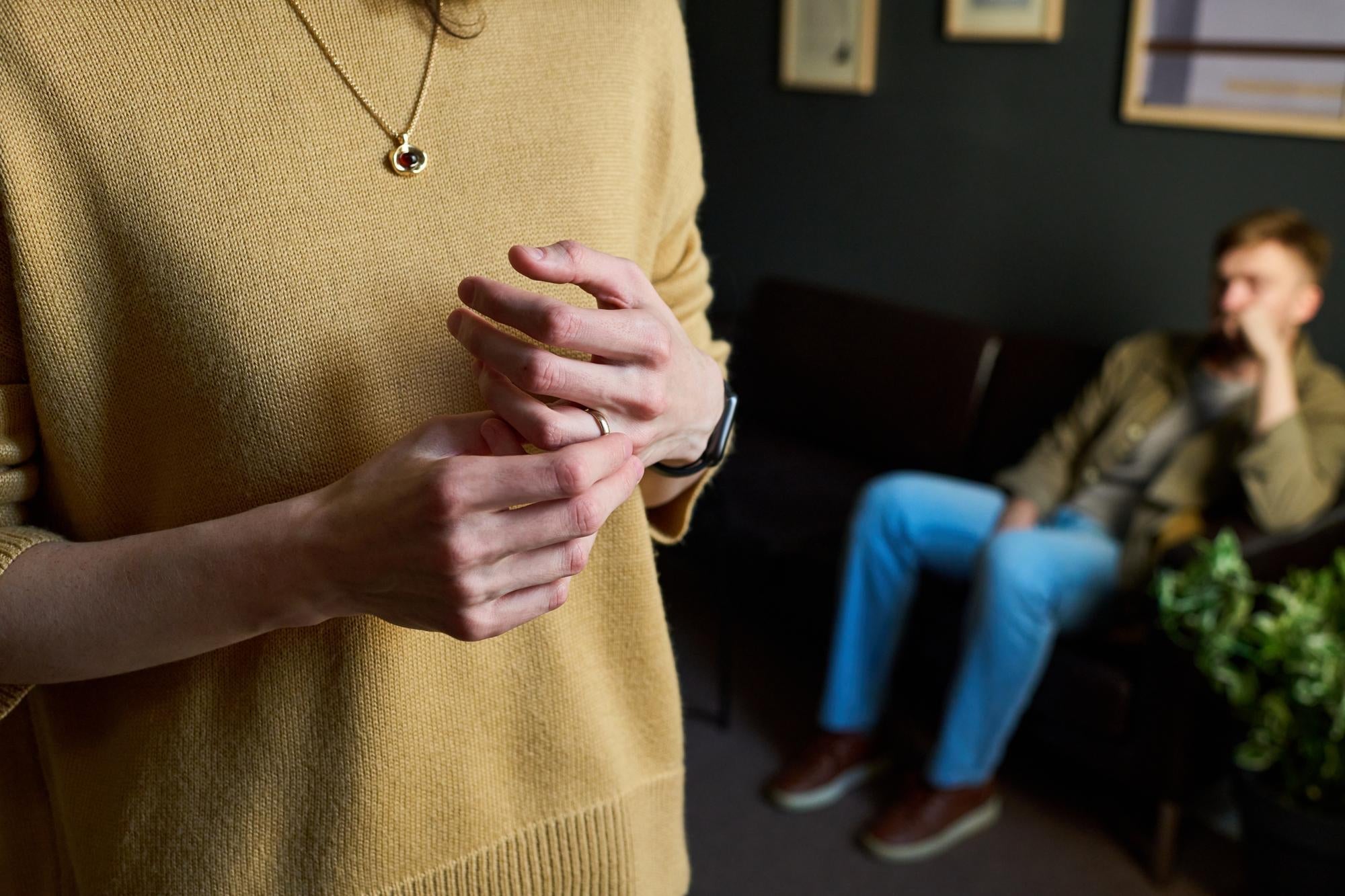
Extended social withdrawal does not leave relationships unchanged. The PMC caregiver burden study (2017) found that caregivers' perception of patient suffering is the primary predictor of caregiver burden, which grows when the patient withdraws rather than communicates. Shared activities disappear. Frontiers in Psychiatry documents that prolonged avoidance leads to reduced participation, severe anxiety, and depression. Re-engagement is a health management strategy, not simply a social goal. The research consistently supports returning.
Starting Small: The Graduated Re-Engagement Framework
Essential tremor social reintegration is most effective when approached through a structured, graduated framework rather than immediate full re-entry. A graduated approach is the clinically grounded method for reversing conditioned social avoidance. Holding and Lew, cited in O'Suilleabhain (2023), confirm that both physical tremor and learned psychological avoidance require direct targeting. The sequence: (1) text or call one close person; (2) one-on-one meeting in a low-visibility setting; (3) small group of known contacts; (4) larger social setting. Each step builds tolerance through safe experience. The pace is self-determined. A psychologist can help if avoidance feels severe.
Reconnecting with Family: What to Say and How to Say It

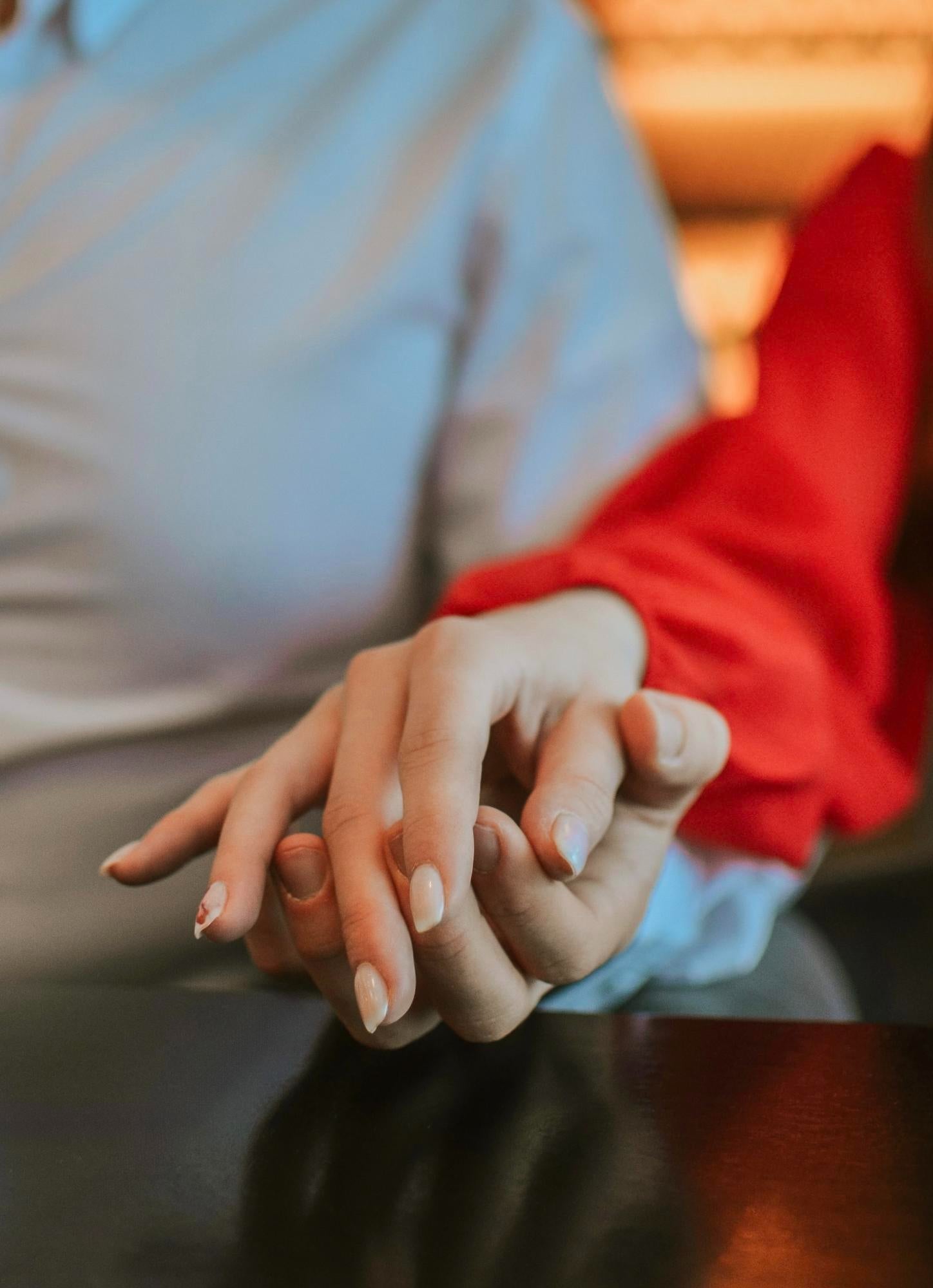
Telling people about Essential Tremor does not require a comprehensive medical explanation — brief, factual framing is most effective. Essential tremor family support improves most when family members receive a clear, factual explanation of the condition. Reconnecting with family often stalls because of shame about the withdrawal itself. The recommended approach: acknowledge the absence simply without extended apology. When ready to name Essential Tremor, factual and brief framing works — a neurological condition causing involuntary hand tremors, not related to anxiety or lifestyle. Yale/PMC research (2018) found family members' knowledge of ET is very limited, meaning a clear explanation is typically received with relief. Forward-focused framing works better than backward-looking explanations.
Reconnecting with Friends: Navigating the Return After Absence
Returning to a friend group is easier when you schedule the first re-engagement with one or two close friends rather than with the group as a whole. Sperling Neurosurgery recommends planning social activities for times when tremors are most manageable and not committing to events that raise anxiety. Most friends will not spontaneously raise the topic of tremor if the patient does not bring it up. Keeping the tone forward-focused signals that no special accommodation is needed. A brief factual answer resolves most direct questions without extended explanation.
How to Navigate Social Situations Once You Are Back
Practical adaptations make re-entering social settings manageable. At restaurants: half-filled cups reduce spillage, straws eliminate the need to lift cups, and seats near walls provide arm support. WebMD recommends discussing situational beta-blockers with a physician before specific social outings. Essential tremor and alcohol interact in ways worth discussing with a neurologist — while some patients use alcohol situationally to reduce tremor visibility, it is not a recommended management strategy. In group events, arriving early allows lower-stimulation entry. For handshake situations, brief disclosure is an option. For signing in public, pre-signing where possible removes in-the-moment pressure. Each adaptation reduces the anticipatory anxiety that has made re-entry feel difficult. The IETF recommends completing difficult tasks when energy is highest.
What to Do When Someone Reacts Badly: Handling Stares, Questions, and Misunderstandings
Negative social reactions -- stares, direct questions, misattributed assumptions -- do occur. Staring generally requires no response. When someone asks directly, a brief factual answer is most effective: "It's a neurological condition called Essential Tremor -- it's involuntary, not anxiety." O'Suilleabhain (2023) confirms that common misattributions reflect a genuine public awareness gap rather than personal malice. Most people normalize immediately after a clear explanation. Choosing not to explain in lower-stakes interactions is always an option.
Support Groups as a Social Re-Entry Point: Why They Work
Essential Tremor support groups are the most effective first social re-entry setting for patients recovering from withdrawal. In a room where every participant shares the ET experience, the risk of misattribution is eliminated entirely. Sperling Neurosurgery cites Julie Fiol, who shows that attending a support group regularly helps life feel more normal. The IETF maintains a worldwide support group directory at essentialtremor.org. Online groups serve patients without local access. The Essential Tremor community resource provides curated links. Social skills practiced in a group transfer directly to other settings.
How to Ask for What You Need From the People Around You
Specific, task-level requests are received better than general expressions of difficulty. The PMC caregiver burden study (2017) found that explicit communication about what is actually needed reduces burden while preserving patient autonomy. Effective framing: "Could you pour the drinks?" rather than "I've been struggling." "Would you mind sitting near the wall so I can stabilize my arm?" Specific asks are actionable. Vague distress signals often lead to over-help, reducing independence. Frame requests as practical choices, not declarations of inability.
Scheduling Your Social Life to Work With Essential Tremor
Tremor severity varies throughout the day, and scheduling social activities around periods of lower tremor is practical and evidence-based. Sperling Neurosurgery recommends planning activities for times when tremors are most manageable and avoiding commitments that raise anxiety. The IETF advises completing difficult tasks when energy is highest. WebMD confirms fatigue worsens tremor. Discussing situational propranolol with a neurologist before specific events is recommended. Committing to fewer, higher-quality social engagements is more sustainable than overcommitting and canceling -- which reinforces withdrawal patterns more than honest limitation-setting does.
When Professional Support Makes the Difference
Professional support maps directly onto the re-engagement challenges in this article. A neurologist manages physical tremor and situational medication. A psychologist provides cognitive-behavioral therapy and graduated exposure to address conditioned avoidance. An occupational therapist addresses task-specific adaptations for social settings. A psychiatrist treats depression when it amplifies social dysfunction. O'Suilleabhain (2023) identifies treating depression as the highest-impact intervention for reducing ET-related disability. Requesting a referral from a neurologist is the recommended entry point. Professional support is a tool for independence, not an indicator of severity.
How the Steadi-3 Supports Social Re-Engagement

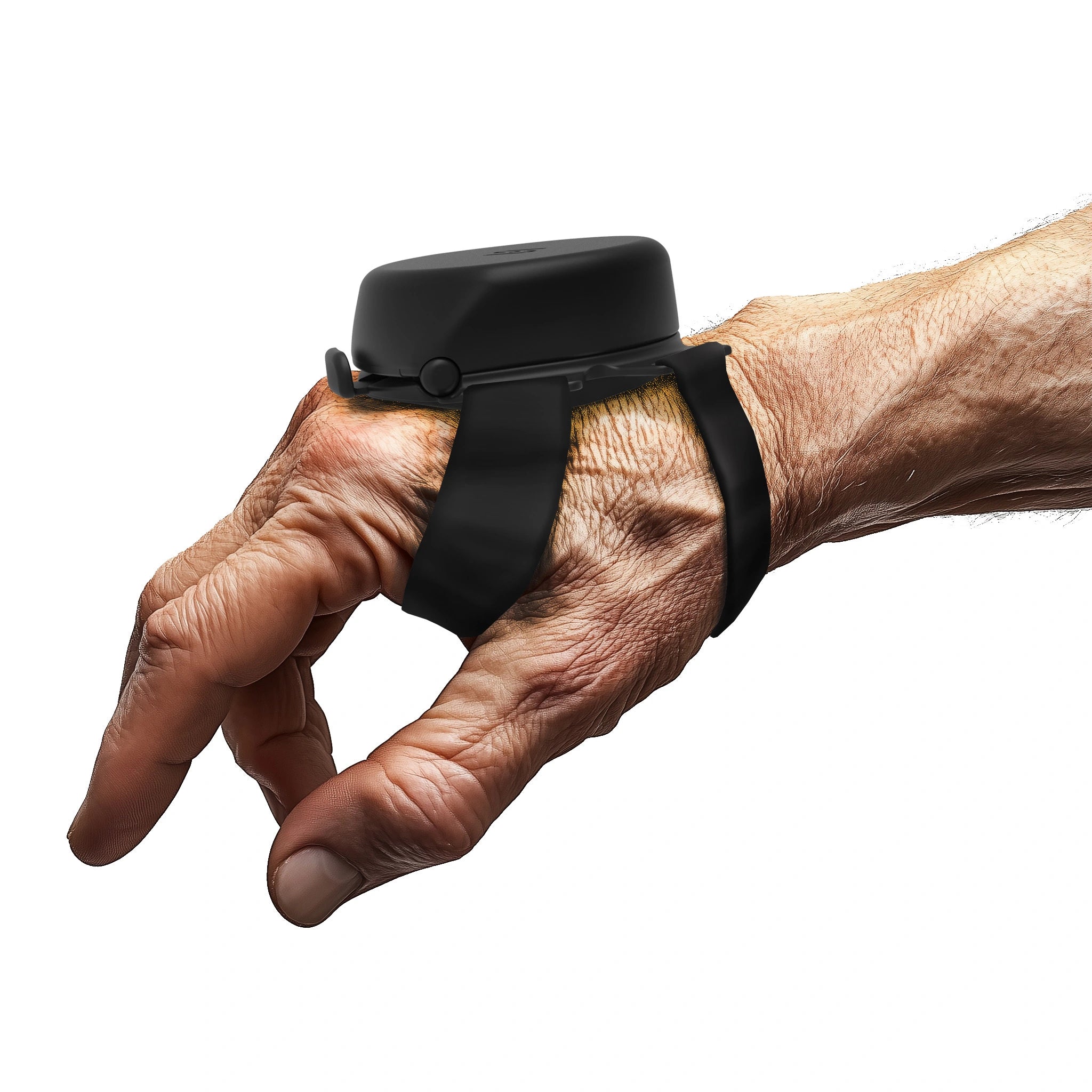
The social settings covered here -- restaurants, group events, handshakes, and signing -- are exactly where visible hand tremor has driven withdrawal. The Steadi-3 is an FDA-registered Class I medical device that uses passive magnetic stabilization to reduce action and postural tremors, without batteries or electronic components. In a placebo-controlled study, 84% of users experienced reduced tremor. Reduced tremor visibility lowers anticipatory anxiety and makes returning feel less impossible. Patients should consult a healthcare provider before adding any device. The Steadi-3 validation study provides clinical detail.
Conclusion
Living with Essential Tremor does not mean living without connection. Re-engagement is achievable through a structured approach: graduated exposure, starting with close Essential Tremor relationships; open, factual communication; practical adaptations to social situations; scheduling around tremor patterns; participation in Essential Tremor support groups; and professional support when needed. There is no cure for Essential Tremor, but a social life built around independence and control on the patient's own terms is within reach. The Steadi-3, community resource, and companion post on social withdrawal provide further support.