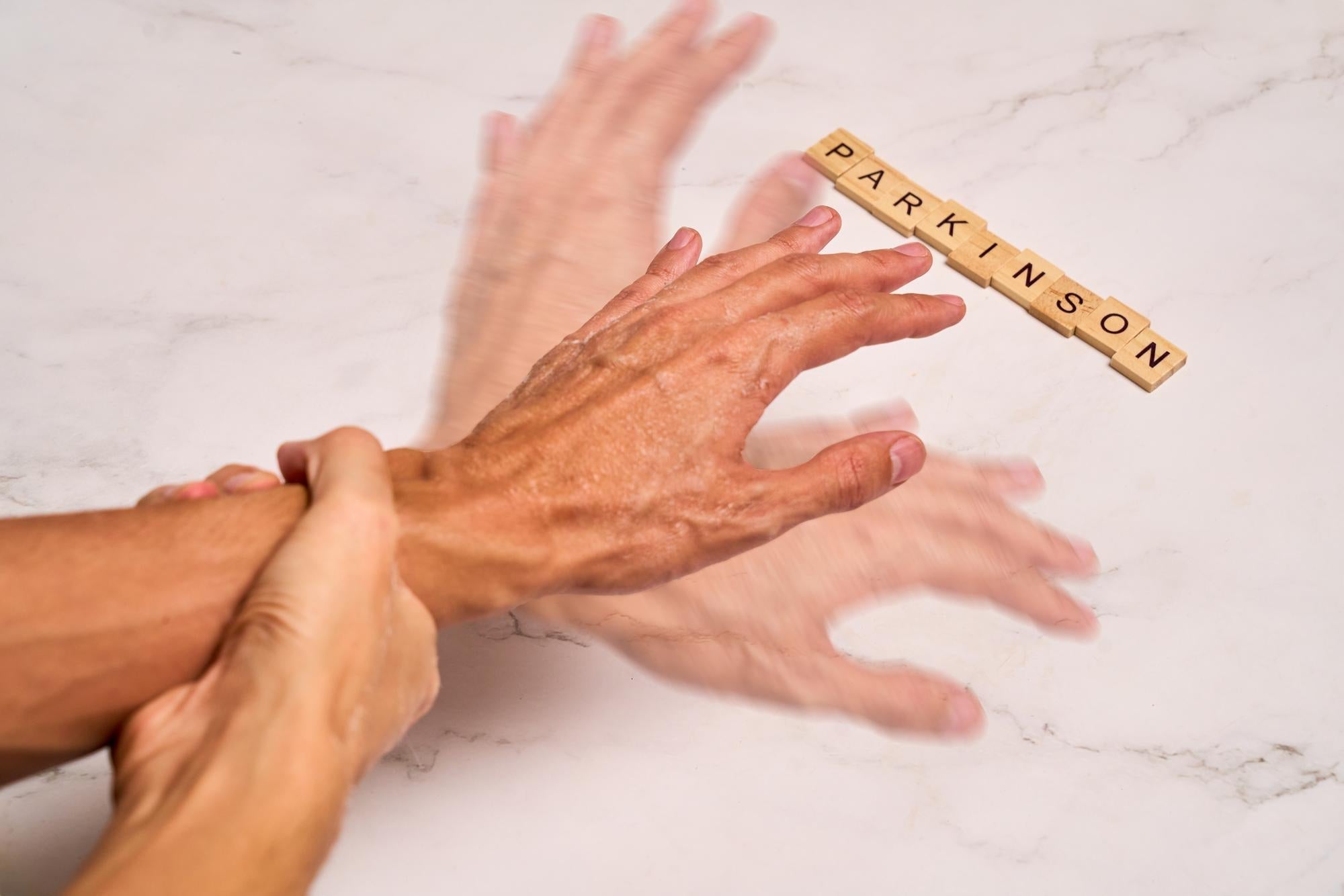
Essential Tremor rises and falls across a day, and most of that variation isn't random — it's driven by identifiable triggers. Knowing what makes Essential Tremor worse turns unpredictable episodes into a pattern you can actually manage. This guide walks through the eight most clinically consistent triggers, the neurological mechanism behind each, and a practical action step you can start today.
Understanding ET Triggers
Essential Tremor isn't random. It's an action tremor driven by oscillatory firing in the cerebello-thalamo-cortical circuit — a loop with a natural sensitivity threshold. An ET trigger is anything that lowers that threshold or amplifies the signal, making the tremor more visible. Most patients can identify three or four personal triggers once they start looking. Knowing what makes Essential Tremor worse is the foundation of managing it — and the basis of this guide.
Triggers vs. Essential Tremor Aggravating Factors

Clinicians distinguish between triggers and Essential Tremor aggravating factors — and the distinction matters for management. Triggers are acute: they cause an immediate, short-term tremor spike (a cup of coffee, a stressful meeting, a skipped meal). Essential Tremor aggravating factors are longer-acting conditions that raise baseline severity over weeks or months (chronic stress, poor sleep patterns, certain ongoing medications). Both appear on this list — but triggers respond to quick interventions, while aggravating factors require sustained lifestyle changes.
Trigger #1 — Caffeine
Caffeine is the most evidence-supported dietary trigger in Essential Tremor. It blocks adenosine receptors, releasing epinephrine and elevating CNS excitability — including in the cerebellar circuits driving ET oscillation. More excitability means more tremor amplitude. The effect is dose-dependent: many tolerate one cup but worsen at two. Caffeine also hides in tea, energy drinks, pre-workout, sodas, and dark chocolate. For thresholds and substitutes, see our caffeine and Essential Tremor guide.
Trigger #2 — Stress and Anxiety
Acute stress elevates cortisol and adrenaline, raising neural excitability and amplifying the tremor signal. That's why Essential Tremor and stress are so tightly linked — stress actively drives the ET circuit harder. Performance situations intensify it: meals in public, signatures, interviews, medical assessments. Practical responses: diaphragmatic breathing before high-stakes tasks, scheduled mindfulness practice, and a conversation with your neurologist about beta-blockers, which target the same adrenergic pathway stress and ET both exploit.
Trigger #3 — Alcohol (Specifically: The Rebound Worsening)
Alcohol's relationship with Essential Tremor is three-phase. Acute use temporarily reduces tremors through GABA modulation — hence the historical "rum-responsive" label. Rebound is where damage hides: as alcohol metabolizes, tremors often worsen 8 to 16 hours later, producing the classic morning spike after social drinking. Many mistake this for disease progression; it isn't. Chronic heavy use directly damages the cerebellum over time. For the full picture, see our alcohol and Essential Tremor guide.
Trigger #4 — Fatigue and Poor Sleep
Sleep deprivation increases cerebellar excitability, and the cerebellum is the primary oscillation driver in Essential Tremor — so poor sleep predictably worsens the tremor. That's why ET patients often report their worst tremors in the morning. Physical fatigue lowers the muscles' tremor-resistance threshold, producing similar effects. Practical responses: consistent sleep and wake times, no alcohol or large meals within two hours of bed, and short rest periods before tasks that demand steady hands.
Trigger #5 — Certain Medications
Several commonly prescribed medications amplify Essential Tremor — and this category requires care: never stop or adjust medications without consulting the prescriber. Drug classes most consistently identified as tremorogenic include stimulants (amphetamines, methylphenidate), bronchodilators (albuterol, salbutamol), SSRIs and tricyclic antidepressants, corticosteroids, lithium, and excessive thyroid hormone replacement. Bring a full list of prescriptions, OTC drugs, and supplements to your neurologist. Knowing the link between Essential Tremor and medications is often the fastest management win.
Trigger #6 — Hunger and Low Blood Sugar
When blood glucose drops, the body releases epinephrine to correct it — the same adrenergic pathway stress and caffeine activate. That's why tremors spike before meals. It isn't "hangry" — it's measurable hypoglycemia amplifying the tremor circuit. The pattern is common in the mid-afternoon gap and the first hour after waking. Keep meal intervals under four to five hours, use protein-rich snacks (nuts, eggs, cheese) to stabilize glucose, and carry a snack before high-demand tasks.
Trigger #7 — Temperature Extremes (Heat and Cold)
Heat and cold both worsen Essential Tremor through different mechanisms. Heat causes vasodilation and physiological arousal, raising the baseline tremor signal — hot, humid environments are the most-reported aggravator. Cold triggers muscle tension and shivering-adjacent responses, increasing amplitude mechanically. The transition between temperatures is often more disruptive than either extreme. Practical steps: dress in layers for climate-controlled spaces, avoid prolonged outdoor exposure before steady-hand tasks, and warm hands with pockets or warm water before fine motor work.
Trigger #8 — Focused Attention on the Tremor
When you focus consciously on not shaking — during a meal, handshake, or signature — you increase corticospinal excitability, and the tremor measurably worsens. The attention itself is the trigger, which is why ET patients shake more during UPDRS assessments than at home. The loop self-reinforces: noticing → monitoring → worsening → anxiety. Break it by redirecting attention to the task, using weighted utensils that absorb focus, or wearing stabilization hardware that removes the need to compensate manually.
Building Your Personal Trigger Profile With Steadi-3

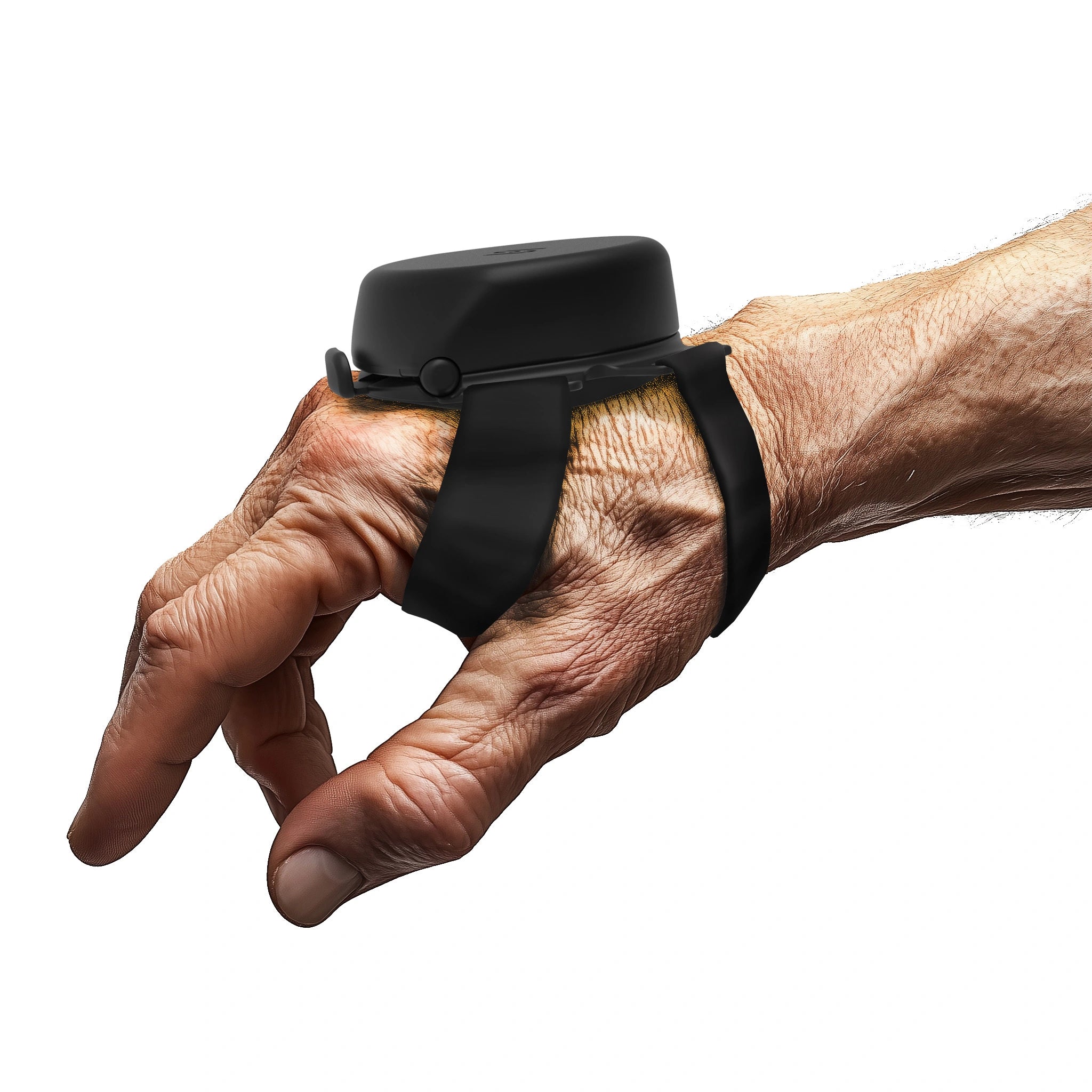
Some Essential Tremor triggers are manageable — caffeine, sleep, meal timing. Others are structural: the board meeting, the family dinner, the document that needs signing. For those unavoidable moments, our Steadi-3 tremor stabilising glove for ET provides immediate mechanical stabilisation. It's battery-free, weighs just 290g, and was clinically validated to reduce hand tremors in 85% of participants. No medication adjustment, no waiting — just steadier hands when the trigger can't be removed.
Conclusion
Essential Tremor isn't random — nearly every patient has identifiable triggers once they start tracking. The eight covered here (caffeine, stress, alcohol rebound, fatigue, medications, hunger, temperature extremes, focused attention) are the most clinically consistent patterns across the ET population. Knowing what makes Essential Tremor worse gives you a framework for the moments that matter most. Start the tremor diary this week. Consult your neurologist before adjusting medication. For unavoidable triggers, stabilisation tools exist.